



Dutch Pottery Wall Plate
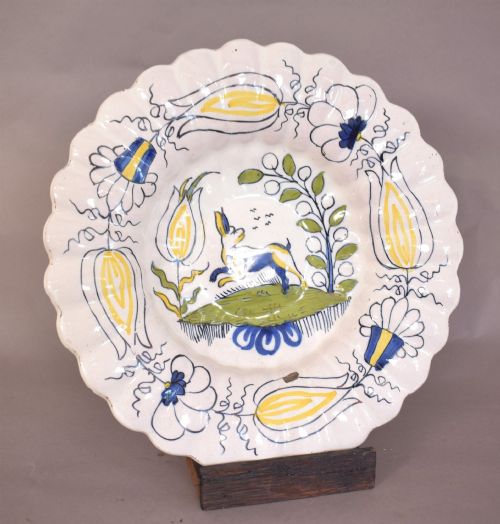
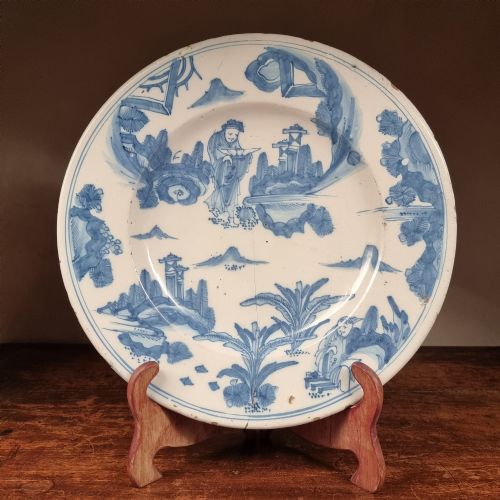
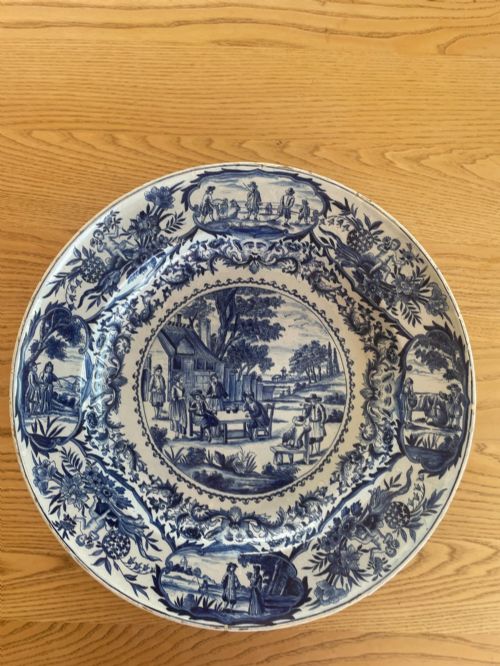
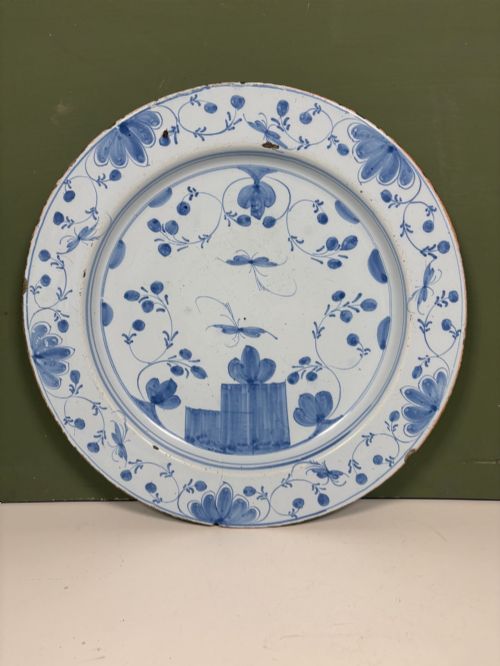
These dutch pottery wall plate examples bring centuries of tin-glazed earthenware into interiors, offering collectors painted blue and white scenes or polychrome decoration.

Dutch Pottery Wall Plate
A dutch pottery wall plate takes the form of chargers, shallow bowls, and lobed dishes intended for display. You will frequently encounter eighteenth-century and seventeenth-century examples originating from Dutch workshops, spanning styles from Dutch Baroque to Chinese inspired designs.
The objects vary from smaller decorative plates to large wall chargers measuring significant diameters. Many pieces exhibit classic blue and white painting, while others utilise manganese and polychrome pigments on a tin-glazed surface.
Materials and construction
Potters shaped earthenware bodies to form plates and large chargers before applying a tin glaze that created an opaque white surface. Cobalt pigment and cobalt oxide were then hand-painted directly onto the unfired glaze.
Grand feu techniques allowed specific manganese and polychrome pigments to fuse with the tin glaze during a single high-temperature kiln firing.
Listings feature tin-glazed earthenware spanning from the seventeenth century through to the nineteenth century, in blue and white or polychrome.
Assessing quality in early ceramics
Quality rests upon the crispness of the blue painted brushwork and the complexity of the narrative or floral design. Pieces displaying refined Kraak or Chinese inspired motifs demonstrate superior painterly skill.
The smoothness of the tin-glazed earthenware surface and the stability of the glaze without excessive pitting distinguish finer examples from standard utilitarian wares.
De Witte Ster
The Dutch Pottery Wall Plate Glossary
- Charger
- A large decorative plate traditionally used for display on walls or sideboards rather than dining. These pieces measure larger than standard dining plates.
- Tin-Glazed Earthenware
- Pottery covered with a ceramic glaze containing tin oxide which turns white and opaque upon firing. This provides a smooth canvas for painted decoration.
- Grand Feu
- A high-temperature kiln firing technique used in ceramic production. It allows cobalt and manganese pigments to bond directly with the tin glaze.
- Kraak
- A style of imported Chinese porcelain featuring panelled border designs. Dutch potters frequently imitated these motifs on local earthenware.
- Polychrome
- Decoration utilising multiple colours rather than a single pigment. On these plates, it typically combines blues, reds, and yellows on the white tin glaze.
Dutch Pottery Wall Plate: Frequently Asked Questions
How do I hang a heavy charger safely?
Heavy earthenware chargers require specialised spring-loaded brass wall hangers that distribute the weight evenly across the rim. Ensure the fixing secures firmly into masonry rather than plaster alone.
Avoid wire attachments that rest on the footring without proper tension, as centuries-old ceramics need stable support.
Were these plates used for dining?
Most large chargers and decorative plates served primarily for display on walls or dressers in wealthy households. Their tin-glazed earthenware bodies chip easily and were valued more for visual impact.
Smaller plates occasionally saw functional use, but surviving examples with painted surfaces generally functioned as ornamental items.
How do I tell seventeenth-century pieces apart from later ones?
Seventeenth-century pieces often display heavier earthenware bodies and distinct Dutch Baroque or Kraak influences in the painted cobalt designs. The tin glaze on earlier items can show characteristic minor pitting and edge fritting.
Eighteenth-century examples introduce broader polychrome palettes and grand feu manganese techniques alongside traditional blue and white painting.