



Dutch Pastoral Oil Painting
A dutch pastoral oil painting brings the quiet charm of European countryside scenes, cattle, and sheep directly into your room.
Dutch Pastoral Oil Painting
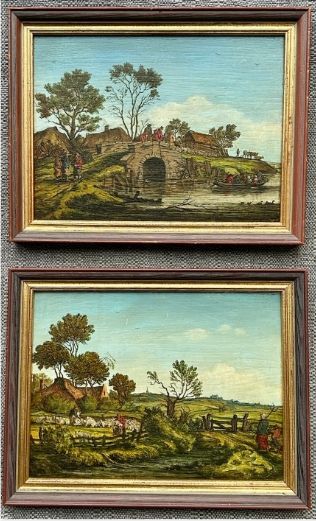
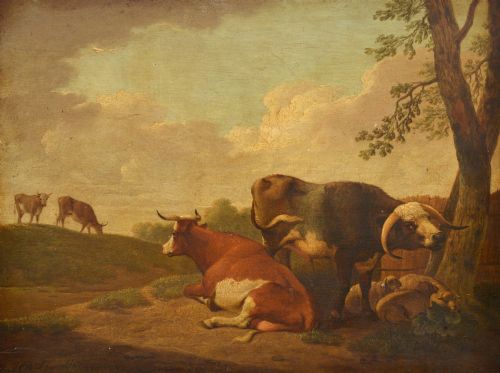
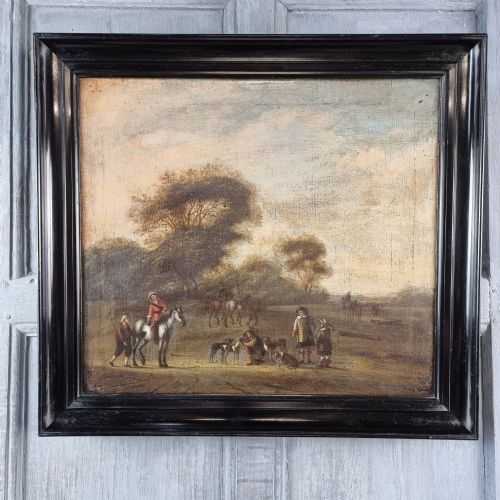
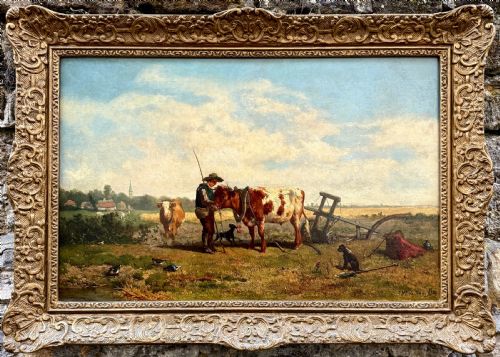
A dutch pastoral oil painting captures rural scenes featuring cattle, sheep, shepherds, and agrarian landscapes from various historical eras. You will frequently encounter works originating from the seventeenth century up through the twentieth century, reflecting enduring artistic traditions. These pieces often depict tranquil farm life, distant hills, and grazing animals rendered in oil on canvas or wood panel.
The aesthetic spans several distinct movements, including the Dutch Golden Age, nineteenth century realism, romanticism, and twentieth century revival pieces. Painters utilise traditional compositions that balance natural light with earthy tones to evoke a sense of quiet rural harmony. Whether signed by known hands or attributed to regional schools, these artworks anchor a room with historical depth.
Materials and construction
Artists painted primarily using oil paint applied to prepared surfaces of canvas or wood panel. Wood panels provide a rigid, durable support particularly common in earlier historical periods, while stretched canvas appears frequently across later centuries. These organic materials respond directly to environmental conditions, requiring stable humidity and temperature.
Many surviving works retain their original gilt wood frames, often constructed with gesso ornamentations that highlight the artwork. The combination of oil pigments, supportive substrates, and protective frames creates a complex physical object. Hand-applied brushwork shows distinct textural variations ranging from smooth glazes to thick impasto.
Dutch Pastoral Oil Painting Retail Price Guide 2026
Typical asking prices for dutch pastoral oil painting among the pieces listed under this phrase on Sellingantiques today, from the lower quarter to the upper quarter. They describe what is for sale here now, not the wider market.
Listings feature works spanning from the seventeenth century to the twentieth century, executed in oil on canvas or wood panel.
Assessing quality in pastoral paintings
Quality rests primarily on the handling of light, atmospheric perspective, and anatomical precision in figures and livestock. Superior works demonstrate a sophisticated understanding of depth and tonal transition, drawing the eye naturally across the rural landscape. Weaker examples often rely on formulaic compositions and stiff, repetitive forms.
The condition of the paint layer and the presence of the original or period-appropriate giltwood frame significantly influence desirability. Stable paint surfaces with minimal past restoration retain greater integrity than heavily retouched canvases. Artist attribution, whether through a clear signature or distinct stylistic execution, also elevates the standing of a piece.
W Klombeck·Hendrik Willem Schweickhardt·Johannes de Haas·Willem Anton Alexander Knip·James de Rijk·Gudrun Sibbons·Anthonij Anton Mauve·Laurens Plas·E Van Drielst·Hermanus van Brussel·Cor De Boer·Cornelis Jan Bolt·Aelbert Cuyp
The Dutch Pastoral Oil Painting Glossary
- Wood Panel
- A rigid support base made from timber used by artists for painting before and alongside stretched canvas. Panels offer a smooth, stable surface that preserves fine brushwork.
- Gilt Wood Frame
- A wooden picture frame coated with a thin layer of gold leaf or metallic gilt paint. These ornate surrounds enhance the visual impact of the artwork.
- Impasto
- A technique where oil paint is laid thickly on a surface, standing out visibly from the plane. This method adds tangible texture and depth to pastoral scenes.
- Gesso
- A plaster-like mixture applied to wood panels or canvases as a base before painting. It creates a smooth, absorbent foundation for oil pigments.
Dutch Pastoral Oil Painting: Frequently Asked Questions
How do I date a dutch pastoral oil painting?
Dating relies on examining the stretcher frames, canvas type, pigment analysis, and stylistic clues within the brushwork. Historical costume and agricultural tools depicted in the scene also offer reliable chronological markers.
Signatures, panel stamps, and framing styles provide additional supporting evidence to narrow down the decade of creation.
What subjects appear in these paintings?
Common subjects include grazing cattle, sheep flocks, shepherds tending animals, and wide rural landscapes with distant hills. Farmhouses, barns, and agrarian workers also feature prominently across various regional schools.
These motifs reflect a cultural appreciation for domestic agriculture and natural scenery.
Should I display oil paintings in direct sunlight?
Direct sunlight damages oil paintings by fading pigments and causing wood panels or canvas supports to warp. Ultraviolet rays break down organic binders in the paint layer over time.
Position your artwork away from south-facing windows and intense heat sources to preserve its colours.
How do canvas and wood panel differ?
Wood panels provide a rigid, inflexible base that resists sagging but can crack with extreme humidity fluctuations. Canvas offers flexibility and lighter weight, making it easier to transport and hang on various wall types.
Both supports require stable indoor environments to prevent structural degradation.