





Dutch Master Style Art
Dutch master style art gathers centuries of oil paintings and portraits reflecting the quiet drama of the Golden Age.
Dutch Master Style Art
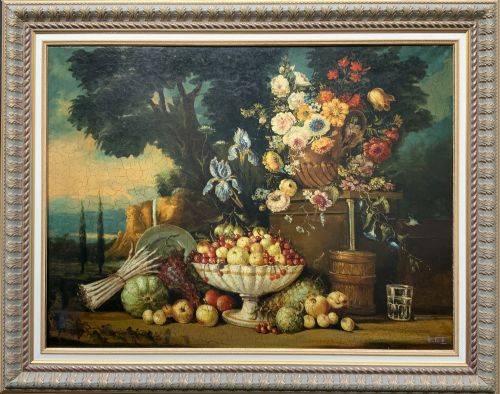
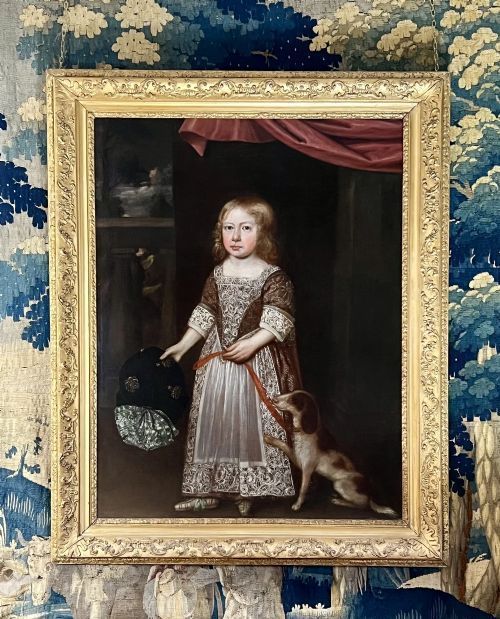
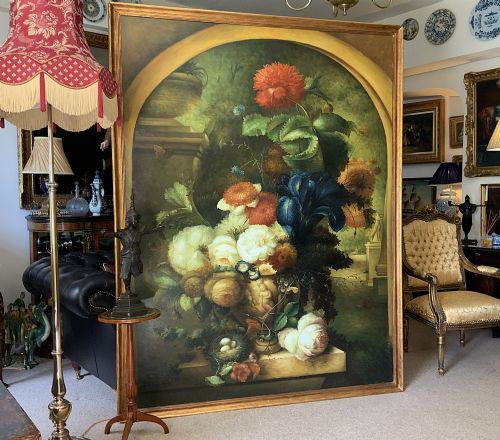
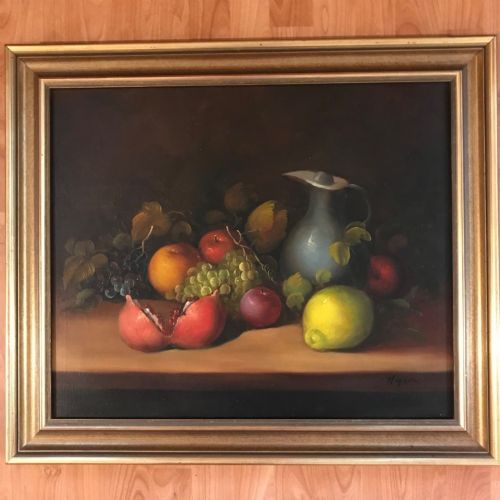
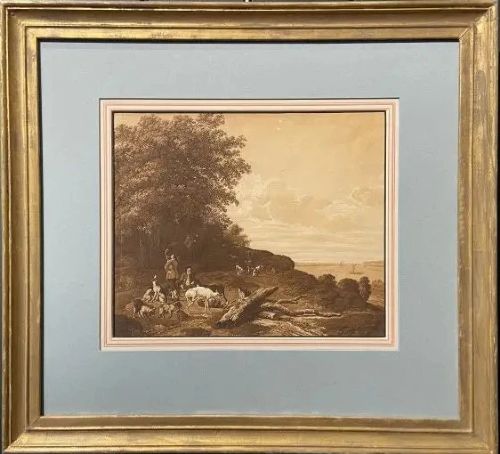
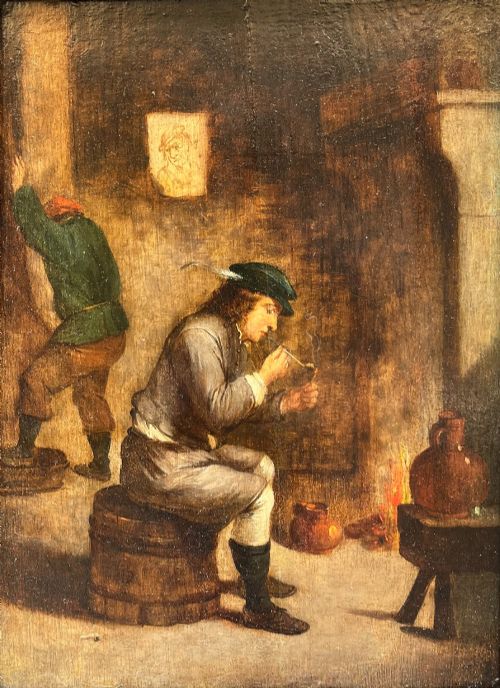
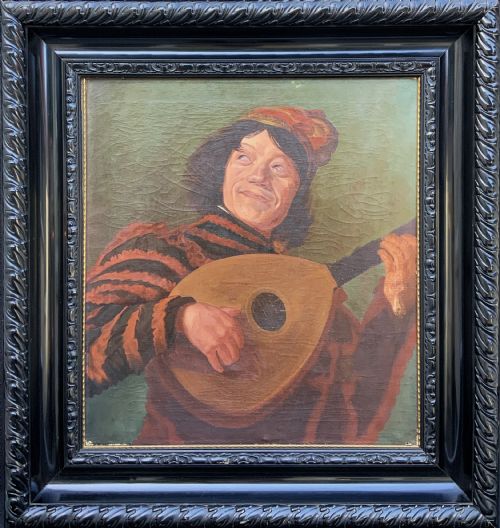
When you search for dutch master style art, you encounter oil paintings spanning original seventeenth-century works, eighteenth-century interpretations, and later nineteenth and twentieth-century revivals. The forms range from intimate panel portraits of noblemen and musicians to monumental floral still lifes and tavern interiors.
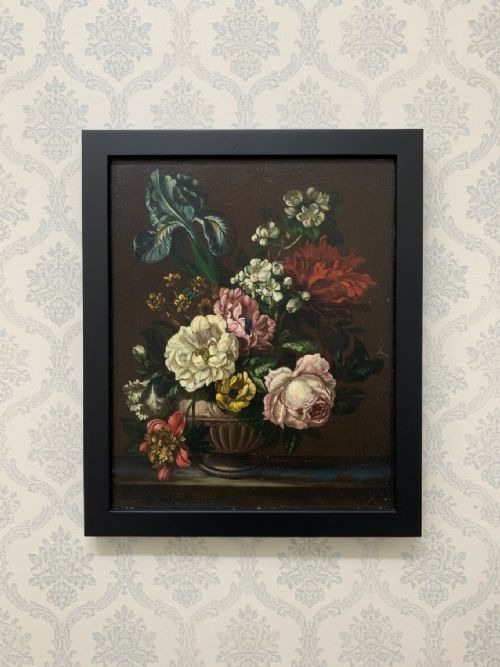
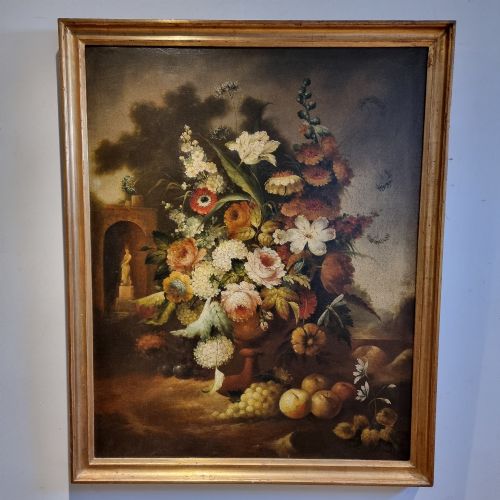
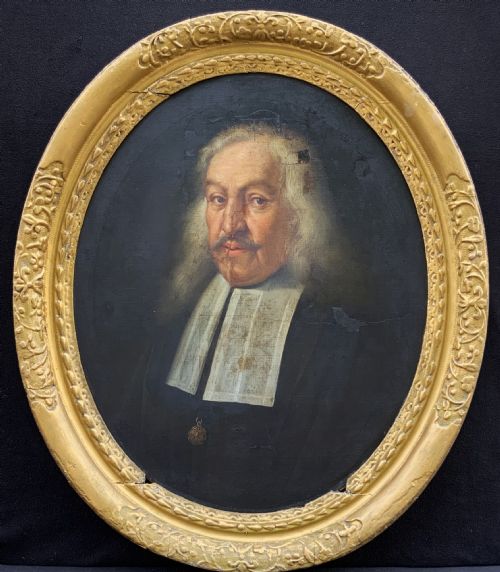
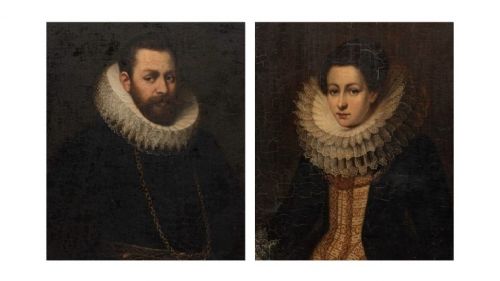
You are most likely to meet later revival works alongside authentic period pieces, depicting subjects such as ruff-collared aristocrats, dramatic nocturnal scenes, and fruit-laden tables. These paintings utilise traditional compositions to project the characteristic gravity and atmospheric depth associated with northern European schools.
How they were made
The works rely upon oil paint applied to stretched canvas, wooden panels, or copper plates, allowing artists to build translucent layers of glaze and shadow. Painters incorporated rich pigments to achieve the deep chiaroscuro and luminous textures characteristic of the tradition.
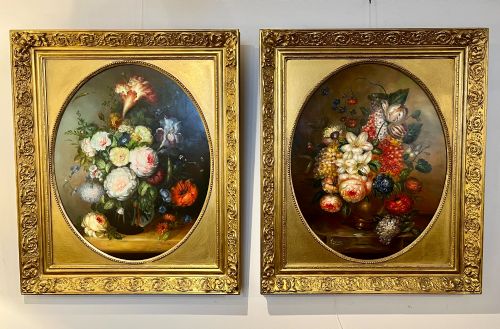
Surviving pieces often sit within heavy gilded wood frames, sometimes utilising gold leaf to enhance the luminous quality of the canvas within. The physical support varies from sturdy oak panels in earlier examples to standard canvas grounds in later revivals.
Dutch Master Style Art Retail Price Guide 2026
Typical asking prices for dutch master style art among the pieces listed under this phrase on Sellingantiques today, from the lower quarter to the upper quarter. They describe what is for sale here now, not the wider market.
Common subjects recorded in the archive include floral still lifes, aristocratic portraits, and tavern genre scenes.
What varies in quality
Quality rests upon the handling of light and shadow, distinguishing works with subtle tonal gradations from those with flat planes. The precision of brushwork in intricate details such as ruff collars and floral petals marks the distinction between standard decorative copies and accomplished artistic interpretations.
The structural integrity of the support medium also defines the piece, with stable panels and original stretched canvases holding greater technical merit. Furthermore, the depth of historical adherence in the composition separates derivative works from those capturing genuine seventeenth-century atmosphere.
Pieter Borseler·Cornelis Van Der Voort·David Teniers·Frans Hals·Godfried Schalcken·Nicolaes Maes·Rembrandt van Rijn·Jan Evert Morel·Gudrun Sibbons
The Dutch Master Style Art Glossary
- Chiaroscuro
- The treatment of light and shade in drawing and painting. This technique creates dramatic contrasts to model three-dimensional volume on a flat surface.
- Still life
- A painting featuring an arrangement of inanimate objects, typically everyday items or natural specimens. These compositions often include flowers, fruit, or game.
- Panel painting
- A painting executed on a flat panel of wood. Oak was the predominant support material used by northern European artists.
- Genre scene
- A pictorial representation of everyday life and common activities. These works depict ordinary people in domestic interiors or taverns.
- Giltwood
- Wood that has been covered with a thin layer of gold leaf. This material forms the ornate frames typical of period display.
Dutch Master Style Art: Frequently Asked Questions
What is dutch master style art?
These pieces comprise oil paintings that emulate the dark palettes, realistic subject matter, and dramatic lighting characteristic of seventeenth-century northern European art. They include both period originals and later revivals.
Collectors pursue these artworks to bring historical atmosphere and classical portraiture or still life arrangements into domestic interiors.
How were these paintings displayed?
Historically, such artworks hung within panelled rooms and reception spaces to signal the owner's cultural standing and appreciation for classical realism. They served as focal points for domestic interior decoration.
Today, they suit traditional studies, libraries, or living spaces, often mounted above fireplaces or along staircases to command visual attention.
How do I care for an oil painting?
Maintenance involves protecting the canvas or panel from direct sunlight, extreme temperature shifts, and high humidity levels. Gentle dusting with a soft, dry brush preserves the surface.
Avoid using liquid cleaners or chemical solvents on the paint layer or the surrounding giltwood frame to prevent permanent damage.
How do I date a panel painting?
Dating relies upon examining the preparation of the wood, the style of the dress depicted, and the formulation of the pigments. Dendrochronology can sometimes date the wooden support precisely.
Signatures, framing techniques, and historical documentation further assist in placing the artwork within its correct century.