


Dutch Maritime Oil Painting
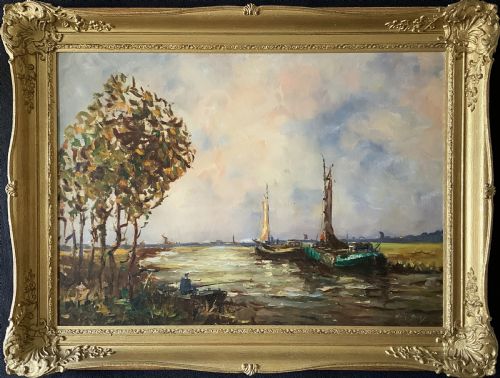
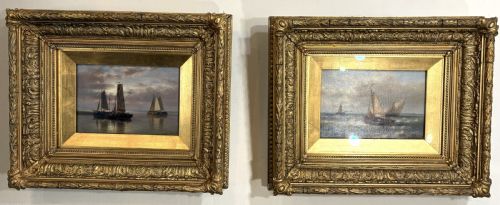
A dutch maritime oil painting brings the movement of coastal waters and historic vessels directly onto the wall.
Dutch Maritime Oil Painting
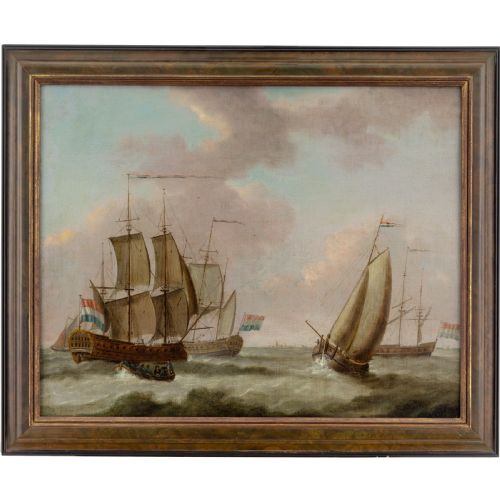
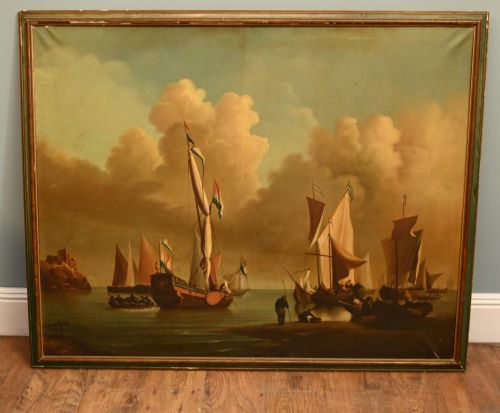
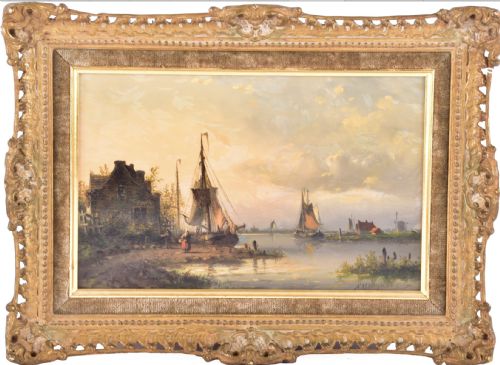
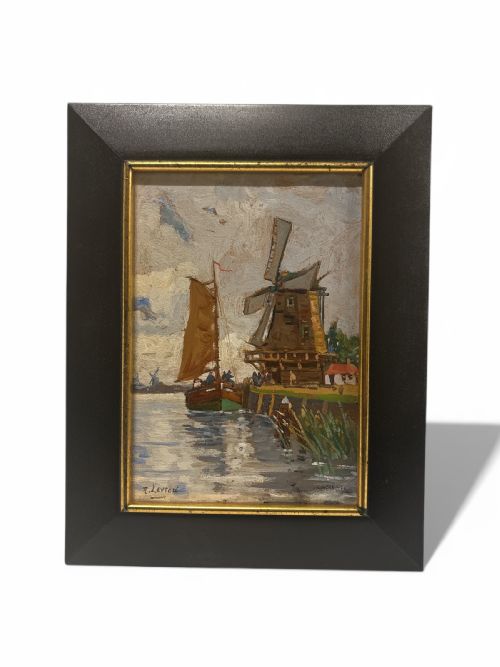
A dutch maritime oil painting captures coastal views, bustling canals, and historic sailing vessels upon the water. These works span centuries, reaching from the detailed maritime scenes of the seventeenth century to later nineteenth century interpretations and early twentieth century impressions.
The subjects on this page range from tempestuous seas with gales to calm canalscapes featuring windmills and quays. Buyers frequently encounter representations of fishing boats, barges, and bustling harbours set against grey skies.
Originating across distinct periods including the Edwardian era and the Dutch Golden Age, these fine art paintings reflect a deep national connection to shipping and coastal trade. Each canvas records the shifting light over European waterways through traditional and impressionist lenses.
Execution and depth
Quality rests in the handling of light on water and the convincing rigging of historical vessels. Superior canvases demonstrate a confident command of atmosphere, where sea and sky integrate naturally.
The distinction between standard works and master pieces lies in the precision of the brushwork and the depth of the palette. Weaker examples rely on formulaic compositions, whereas finer paintings convey genuine movement and maritime scale.
Listings feature works spanning from the seventeenth century through to the nineteen fifties, executed in oil on canvas and wood.
Bonaventura Peeters·Willem Bos·Abraham Hulk I·Pieter Cornelis Dommersen·Adrian Van Porten·Hendrik Willebrord Jansen·William Raymond Dommersen·Paul Jean Clays·Hendrik Yan Wolter·Ludwig Hermann·Frank Myers Boggs·Charles Martin Powell·Jacob Knyff·Abraham Storck·Alfred Montague
The Dutch Maritime Oil Painting Glossary
- Oil on Canvas
- A traditional painting medium where oil pigments are bound in drying oil and applied to stretched fabric. This combination provides durability and allows for subtle blending of colours.
- Giltwood
- Timber carved and coated with gold leaf or metallic paint to create a decorative frame. It provides a bright boundary that enhances the illumination within the painted scene.
- Marine Painting
- Artwork that depicts ships, harbours, coastal views, or naval battles. This genre holds a central place in the history of European visual culture.
- Impressionism
- A nineteenth century style characterised by relatively small, thin yet visible brush strokes and an emphasis on accurate depiction of light. It informs several later landscapes on this page.
- Gesso
- A paint mixture consisting of a neutral binder mixed with chalk or pigment, used as a prepared surface on wood panels or frames before gilding.
Dutch Maritime Oil Painting: Frequently Asked Questions
How should I hang a maritime painting?
Position the artwork at eye level in a room with controlled natural light to prevent glare on the oil surface.
Keep canvases away from direct heat sources and damp walls to preserve both the paint layer and the wooden stretcher.
How do I identify a seventeenth century canvas?
Look for heavy wooden stretchers, hand-woven canvas textures, and darker earth tones characteristic of early European workshops.
Examine the reverse of the panel or canvas for historical inscriptions, wax collector seals, and aged patina.
What defines a canalscape subject?
These compositions focus on inland waterways, urban quays, and locks rather than open ocean waters.
They frequently include architectural elements such as townhouses, bridges, and windmills alongside working barges.