
Dutch Golden Age Oil Painting
A dutch golden age oil painting brings centuries of northern european portraiture and still life into a room with striking presence.
Dutch Golden Age Oil Painting
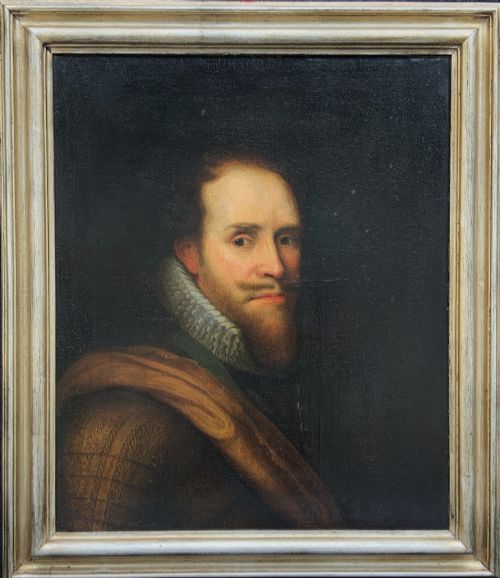
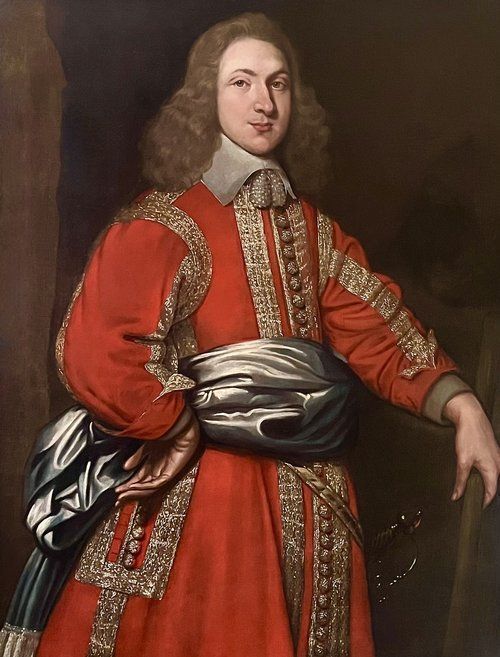
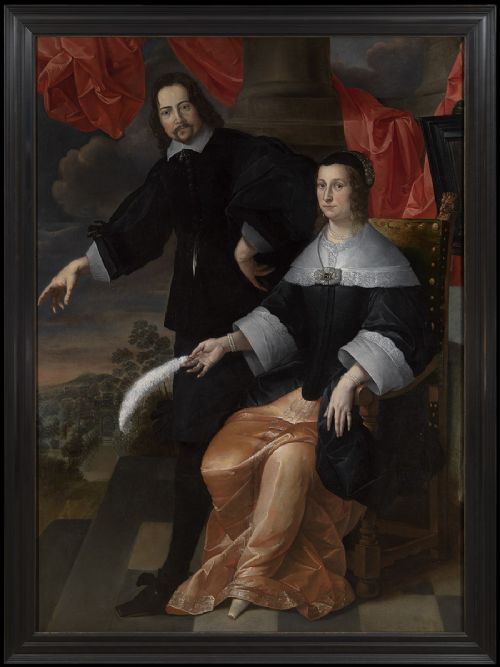
When searching for a dutch golden age oil painting, collectors encounter a concentrated group of works focusing on human likeness, maritime scenes, landscapes and detailed still lifes. The selection spans authentic 17th-century canvases alongside later 18th-century interpretations, 19th-century revivals and subsequent periods adopting the same visual language.
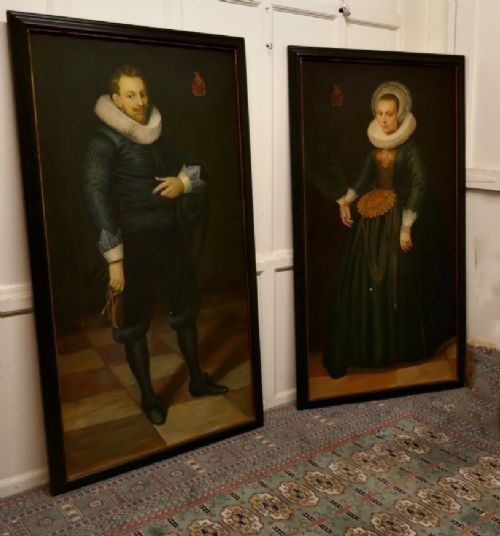
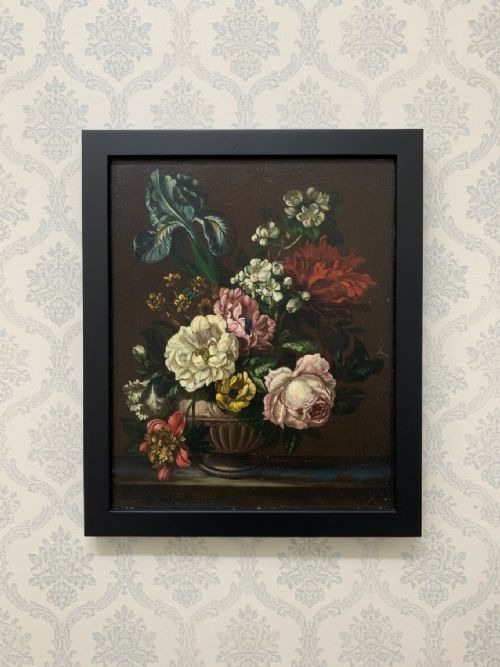
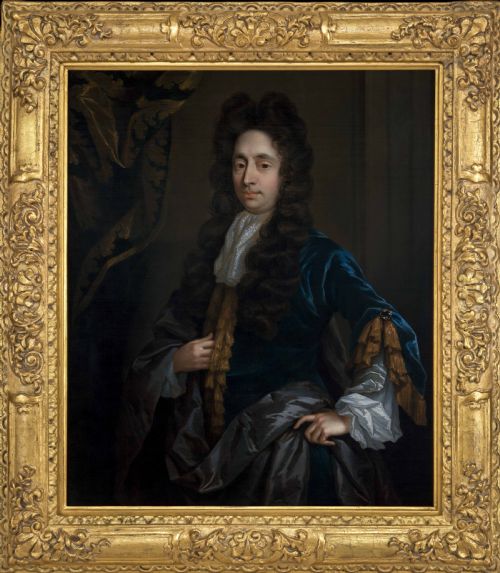
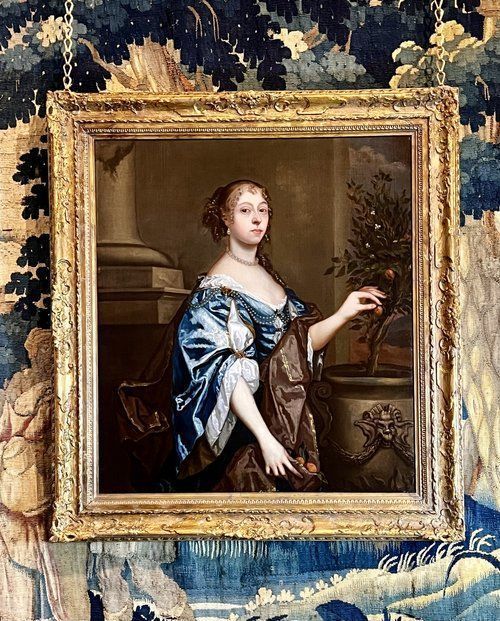
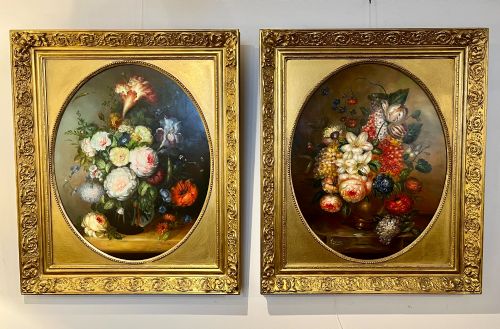
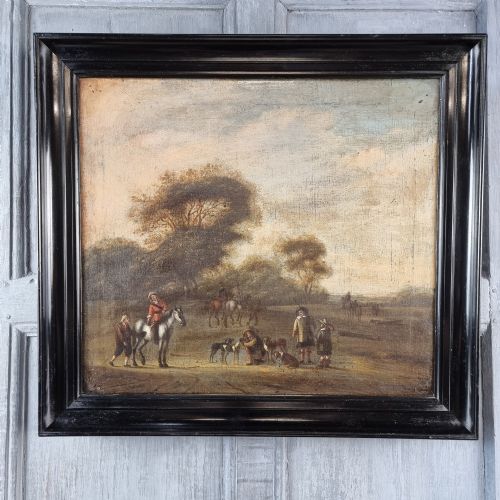
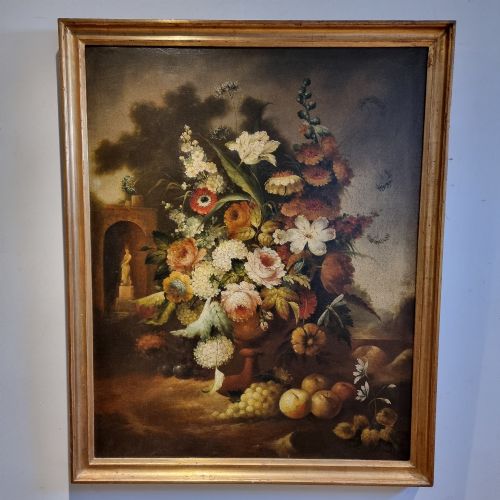
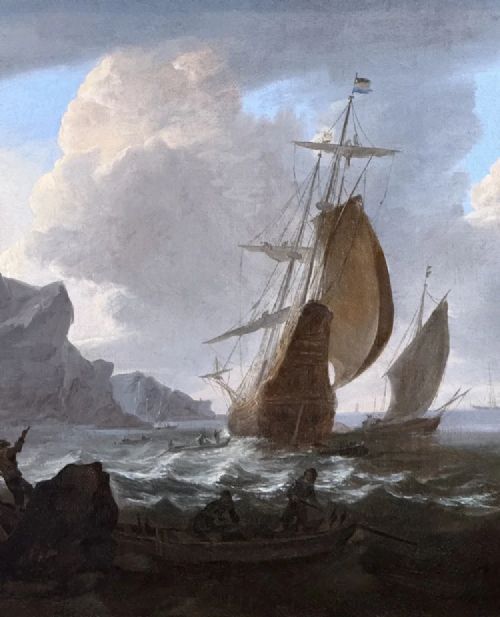
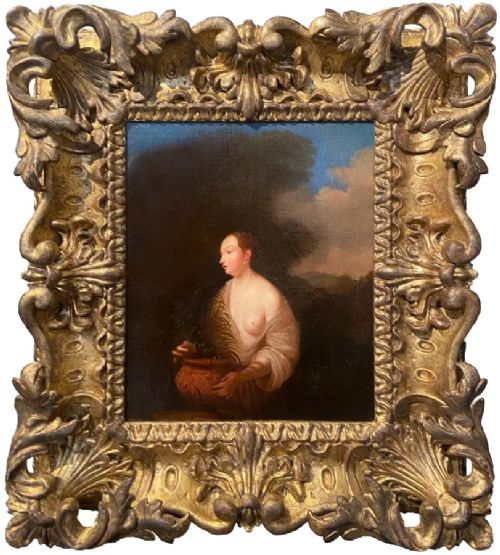
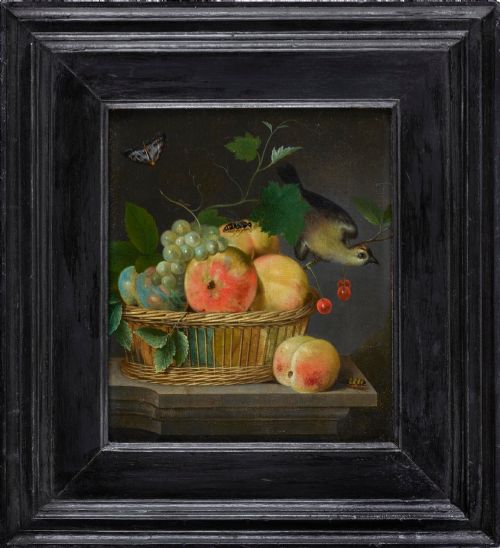
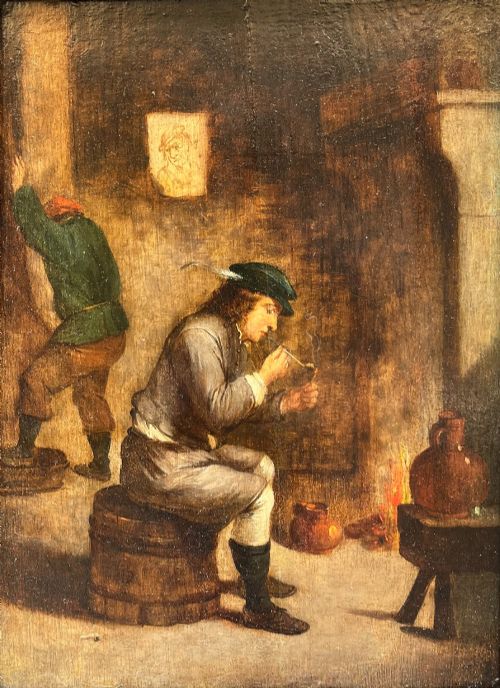
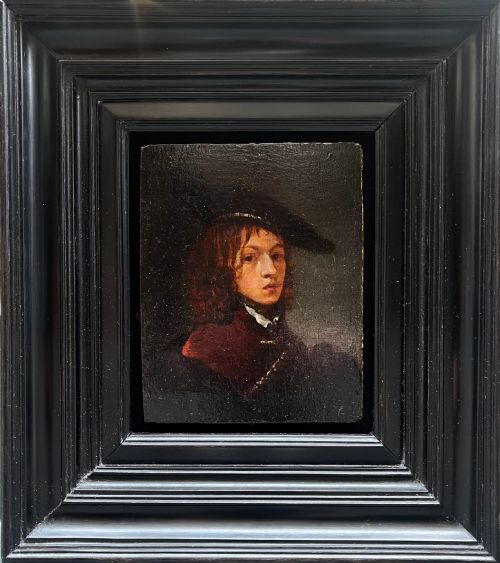
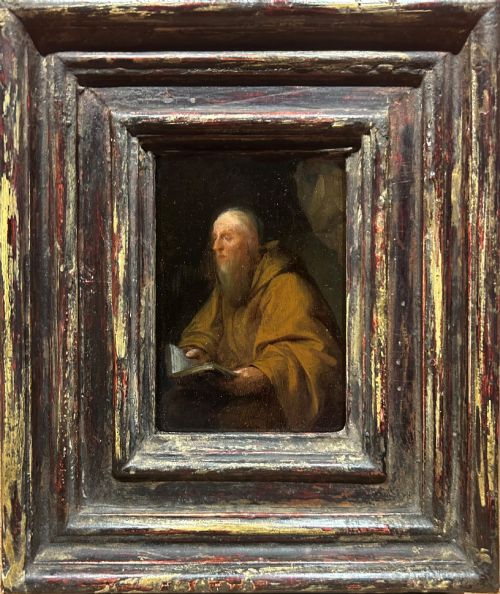
Portraits dominate the available formats, featuring sitters in ruff collars, velvet coats and satin dresses rendered with distinct realism. Alongside portraits, buyers find turbulent maritime scenes featuring boats in gales, rustic tavern interiors, mountainous landscapes and basket compositions filled with fruit or flowers.
The objects take the form of framed paintings executed on canvas, wood panels and board supports. Many carry attributions or associations to prominent historical workshops and followers of master painters from the era.
How They Were Made
These works rely on traditional application methods using oil paint formulated with pigments bound in drying oils. Painters built depth through layered glazes applied over prepared grounds on woven canvas or seasoned wood panels.
Support structures range from stretched linen canvas and wood panels to later vinyl canvas and board mediums. Surviving pieces frequently retain period-appropriate framing executed in carved and gilded wood or giltwood.
Several canvases capture domestic animals in the act of stealing food from woven baskets, preserving mischievous household moments from centuries past.
What Varies in Quality
Quality rests upon the handling of light, shadow and texture within the brushwork. Masterful execution demonstrates precise command over fabric folds, facial expressions and subtle tonal transitions, whereas lesser examples show rigid lines and flat planes.
The integrity of the original surface layer dictates the visual impact of the piece. Works retaining undisturbed pigment layers and minimal overpaint deliver a clearer window into the historical technique.
Cornelis Van Der Voort·Constantyn Netscher·Pieter Borsseler·Bonaventura Peeters·Gaspar Peeter Verbruggen·David Teniers·Jan van Staveren·Frans Hals·Godfried Schalcken·Frans Snyders·Nicolaes Maes·Simon Pietersz Verelst·Cornelis Van Poelenburgh·Jan Cossiers·Rembrandt van Rijn·James de Rijk
The Dutch Golden Age Oil Painting Glossary
- Oil on Canvas
- A painting medium where pigment mixed with oil is applied to a stretched woven fabric support. This combination allowed artists to achieve rich colour saturation and subtle blending.
- Oil on Panel
- A painting created on a rigid wooden support rather than fabric. Panels provided a smooth surface that supported highly detailed brushwork.
- Giltwood
- Wood that has been coated with a thin layer of gold leaf or gold paint. This material was commonly utilised for ornate period frames.
- Still Life
- An artwork depicting inanimate subject matter, typically everyday objects such as fruit, flowers or dead game. These compositions often highlighted the painter's ability to render varied textures.
- Old Master
- A term applied to European painters of high skill working before the 19th century. It denotes works originating from established historical traditions.
Dutch Golden Age Oil Painting: Frequently Asked Questions
What subjects appear most often?
Human portraits represent the most common subject matter, featuring figures ranging from military officers and noblemen to elegant ladies in ruff collars.
Beyond portraits, artists focused on botanical still lifes, rugged landscapes, maritime scenes with boats in gales and domestic tavern interiors.
How do 17th-century works differ from later copies?
Authentic period pieces carry the physical ageing characteristics of historical materials alongside the specific painting conventions of the era.
Later interpretations and revivals from the 19th and 20th centuries often utilise the stylistic vocabulary of the movement while employing newer canvas supports and pigment mixtures.
Where were these paintings displayed originally?
Historical works of this scale hung within domestic residences, civic guildhalls and merchant homes across northern europe during the period.
They served as markers of status, civic pride and personal identity for the prosperous middle classes and nobility.
How should an antique oil painting be lit?
Display these works away from direct sunlight to protect organic oil pigments and canvas supports from ultraviolet degradation.
Utilise low-heat picture lights positioned to illuminate the surface evenly without generating excessive warmth near the wood or canvas.