
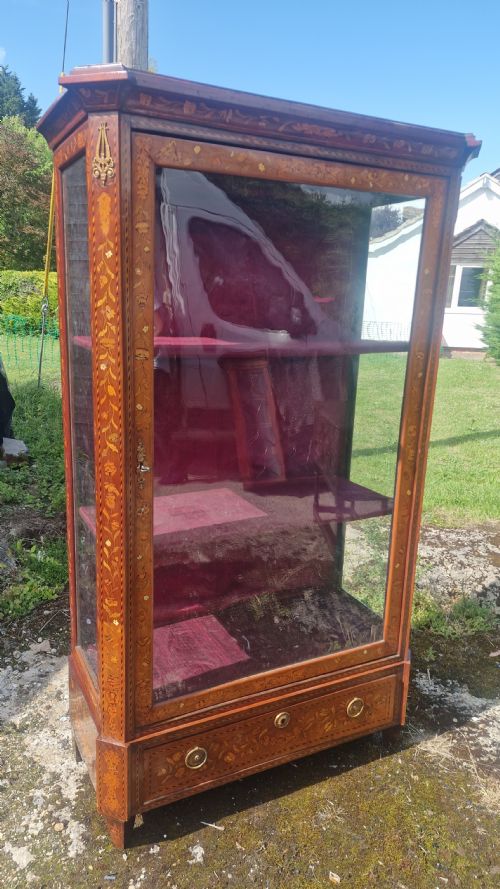

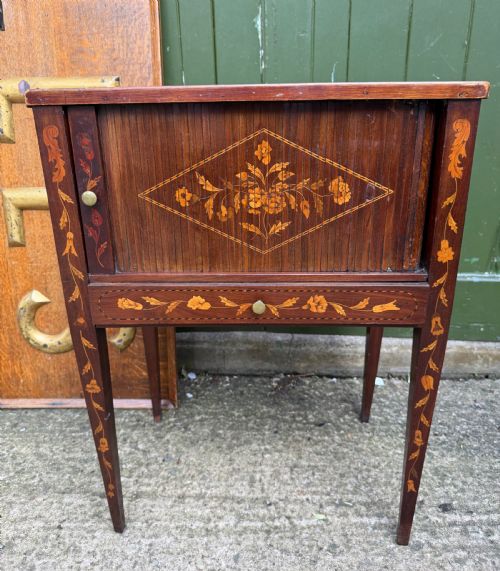


Dutch Floral Mahogany Cabinet
A dutch floral mahogany cabinet brings masterly floral marquetry and rich timber into a room, offering both dramatic display and deep storage.
Dutch Floral Mahogany Cabinet
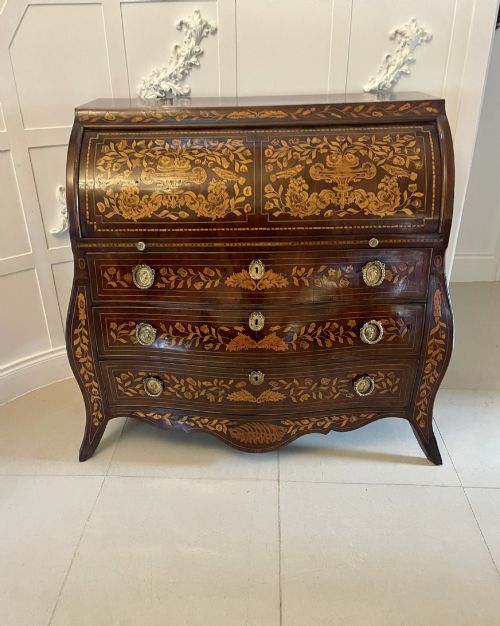
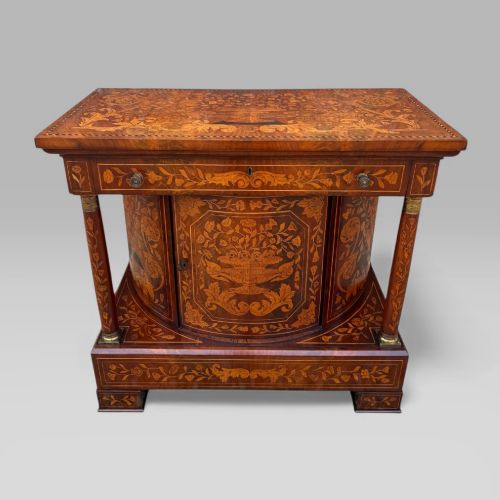
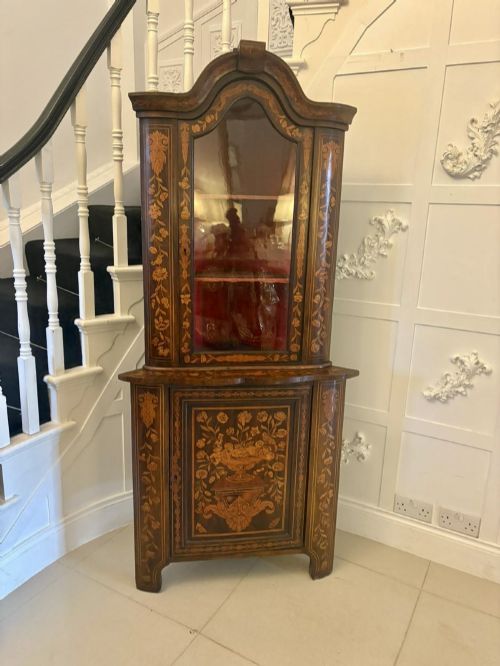
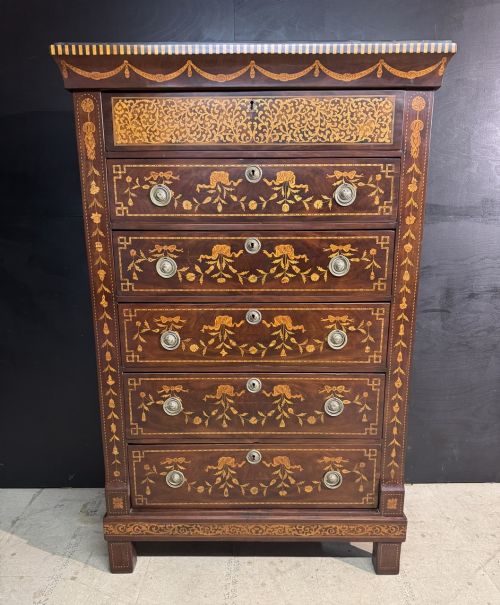
A dutch floral mahogany cabinet encompasses a variety of forms including corner cabinets, chests of drawers, bureaux, and console wall tables. These pieces are predominantly encountered from the eighteenth and nineteenth centuries, spanning periods such as the eighteenth century, eighteen hundred, eighteen fifty, and the nineteenth century. The selection reflects diverse regional iterations including Dutch marquetry, Dutch Baroque, Dutch Baroque Revival, Dutch Neo-Classical, Dutch Neoclassical, and Dutch Empire styles.
Buyers browsing this selection will most frequently encounter corner cabinets, chests of drawers, and various bureaux or secretaire cabinets. These functional domestic forms serve as striking focal points in a room, combining practical storage with elaborate decorative surfaces. The forms range from tall chests and vitrines to neat-sized bedside cupboards and dressing tables.
The aesthetic is defined by intricate floral imagery worked into the primary timber, creating a distinct visual identity associated with Dutch cabinet making. Each piece demonstrates how makers adapted traditional storage forms to showcase botanical marquetry across different decades of the eighteenth and nineteenth centuries.
How they were made
The primary construction relies on mahogany, which provides a dark, stable foundation for the extensive decorative work. Cabinet makers utilised secondary woods and applied intricate fruitwood inlay, boxwood, and fruitwood marquetry to build up the floral motifs. Brass hardware often complements the timber construction on handles, keyplates, and hinges.
Surface ornamentation is achieved through detailed marquetry techniques where contrasting timbers are cut and fitted into the mahogany base. Craftsmen arranged fruitwood and boxwood to depict elaborate floral sprays and urns across fall fronts, drawer panels, and cabinet doors. This labor-intensive veneer work requires precise alignment to ensure the botanical designs flow seamlessly across the opening edges and mouldings.
Listings feature eighteenth century and nineteenth century pieces, utilising mahogany, fruitwood, boxwood, walnut, and glass.
What varies in quality
The sophistication of the floral marquetry dictates much of the visual distinction between examples. Finer pieces display exceptional depth in the fruitwood and boxwood shading, bringing realistic contours to the petals and leaves. Lesser examples feature stiffer, repetitive floral arrangements with less variation in the inlaid tones.
Construction fidelity and timber selection also set pieces apart. Superior items maintain crisp mouldings and tightly fitted drawer construction in solid mahogany, whereas simpler iterations rely more heavily on standard cabinet frameworks with less refined edge detailing.
The Dutch Floral Mahogany Cabinet Glossary
- Marquetry
- Decorative veneer work where pieces of wood are fitted together to form pictorial designs. In these pieces, fruitwood and boxwood create floral motifs against a mahogany background.
- Secretaire
- A cabinet or bureau featuring a fold-down writing flap that conceals small drawers and pigeonholes. This form combines a desk workspace with enclosed storage beneath.
- Vitrine
- A glass-fronted display cabinet designed for showing porcelain, silver, or curiosities. The glazed doors protect the interior contents while offering clear visibility from multiple angles.
- Escritoire
- A writing cabinet with a sloping or drop front. It provides a dedicated surface for correspondence alongside internal compartment storage.
Dutch Floral Mahogany Cabinet: Frequently Asked Questions
Where did these cabinets go in a house?
These cabinets served multiple domestic functions depending on their specific form. Corner units utilised awkward room junctions for display, while chests of drawers and bureaux sat in bedrooms, parlours, or reception rooms.
Larger pieces like secretaire cabinets and vitrines acted as principal furniture in main living spaces, combining everyday utility with decorative display.
How do I spot eighteenth century work?
Eighteenth century examples often reveal their age through timber choice, hand-cut dovetails, and the specific composition of the marquetry panels. The construction methods on internal drawer linings show hand planning and traditional joining techniques.
Stylistic cues such as proportions and the complexity of the floral inlay also help distinguish pieces made before nineteen hundred from later revival works.
What is fruitwood inlay?
Fruitwood inlay involves inserting light-coloured timber sections into carved recesses within the darker mahogany base. Woods like apple or pear take stain and shading well, allowing craftsmen to create realistic botanical details.
This technique creates contrast against the surrounding mahogany surface, giving the floral patterns their characteristic brightness and depth.
How should I care for mahogany timber?
Mahogany requires stable room humidity and protection from direct sunlight to prevent the timber from drying out or fading. Regular dusting with a soft, dry cloth preserves the polished finish without building up heavy wax layers.
Avoiding placement near direct heat sources ensures the marquetry veneers remain secure and prevents the wood from warping over time.