



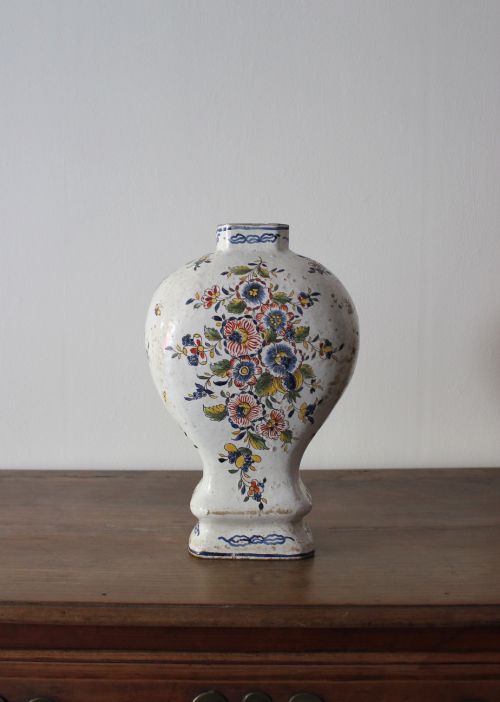
Dutch Delft Ceramic
Dutch delft ceramic pieces bring tin-glazed earthenware and cobalt pigment traditions directly into modern spaces through chargers, vases, and tiles.
Dutch Delft Ceramic
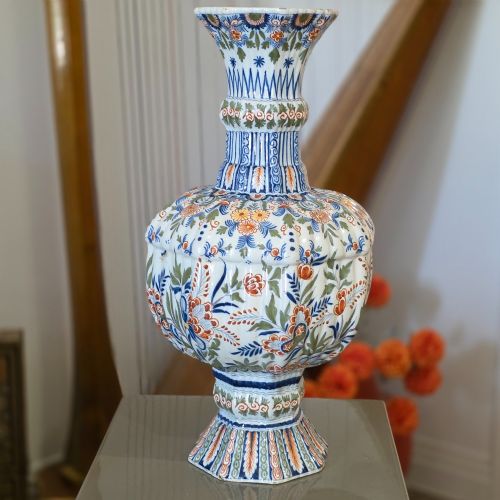
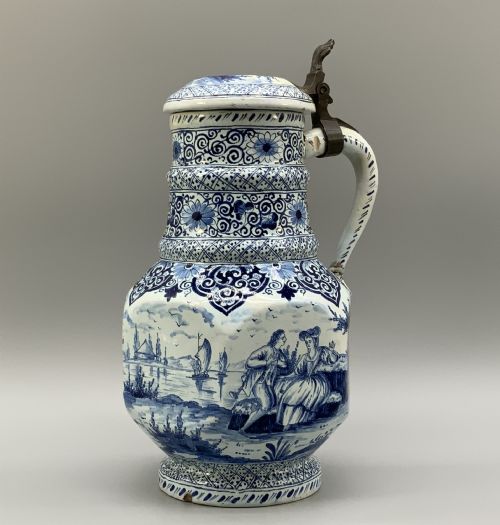
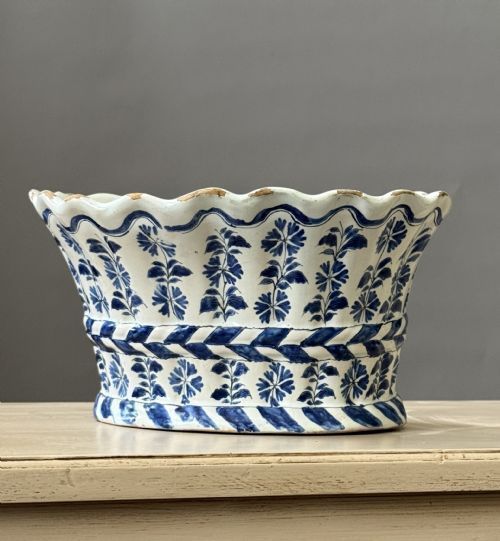
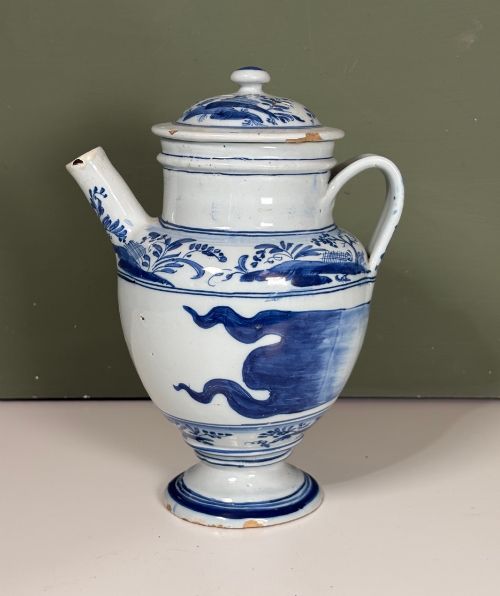
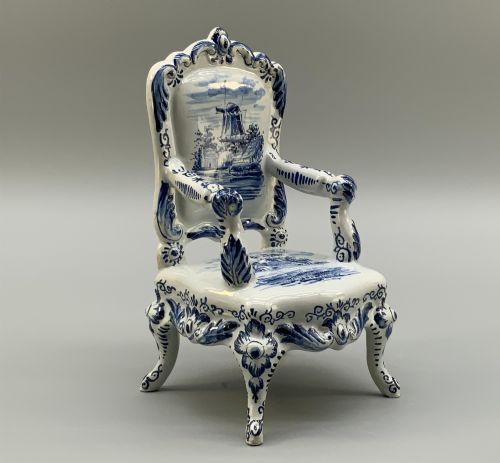
When someone searches for dutch delft ceramic, they encounter objects spanning several centuries from the seventeenth to the twentieth. These range from large wall chargers and lidded vases to apothecary jars, tiles, and table lamps.
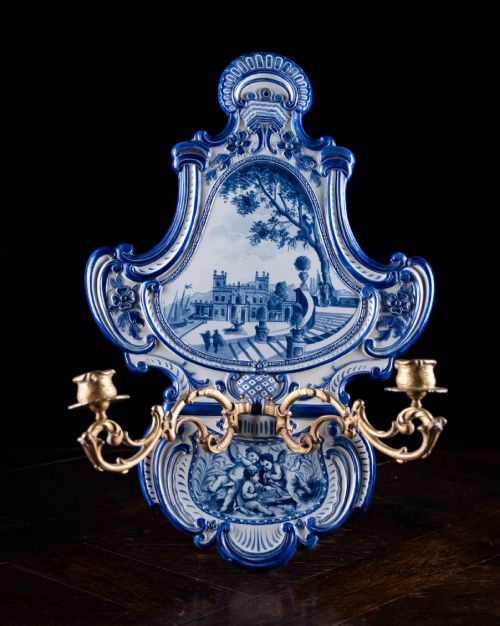
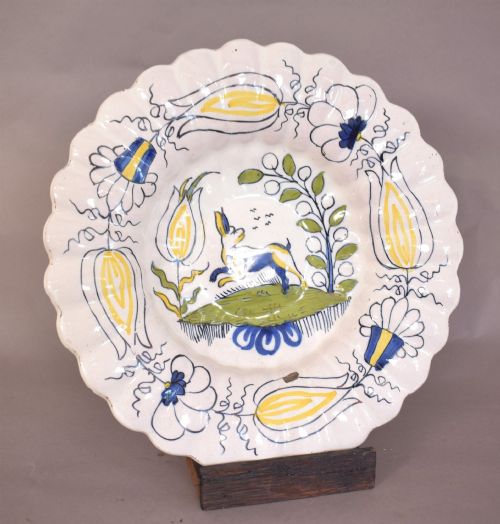
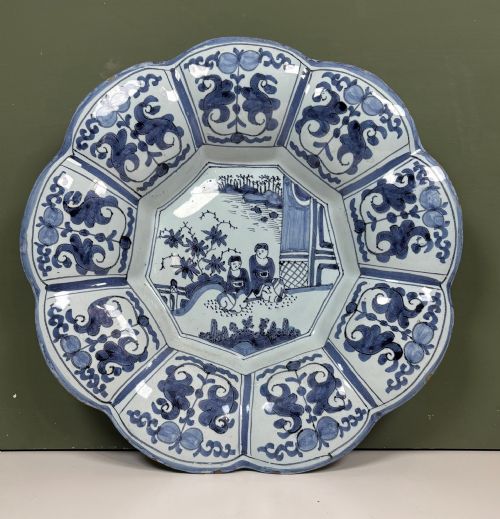
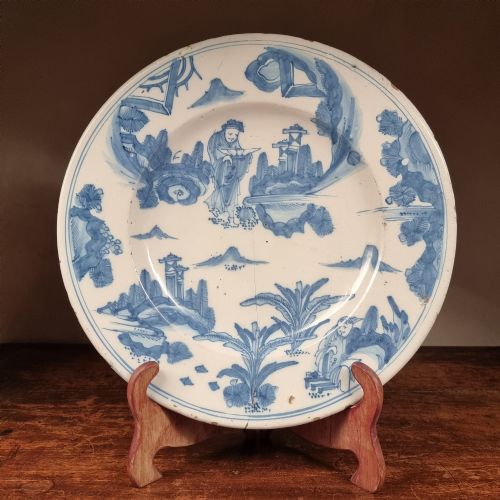
The version most commonly met on this page is the eighteenth-century blue and white charger or dish, often decorated with botanical or figurative motifs. Pieces also appear in polychrome and manganese colours, reflecting diverse styles from Dutch Baroque to Rococo Revival.
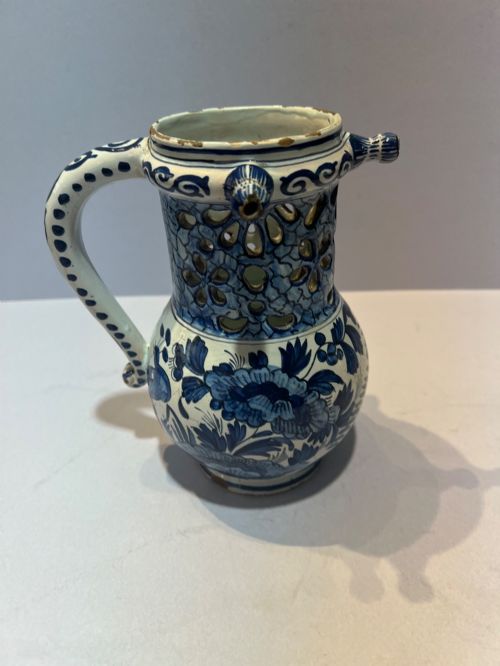
Form and function vary widely across the selection, including bough pots, puzzle jugs, barber's bowls, and tobacco or snuff boxes. Objects emerge from both domestic settings and specialised workshops, recording historical domestic habits.
How they were made
Potters shaped local earthenware clays into vessels, chargers, and tiles before applying an opaque white tin glaze that provided a smooth canvas for painting. Cobalt pigment and other metal oxides were brushed onto the unfired or raw glaze, soaking in to produce the characteristic blue and white or polychrome imagery.
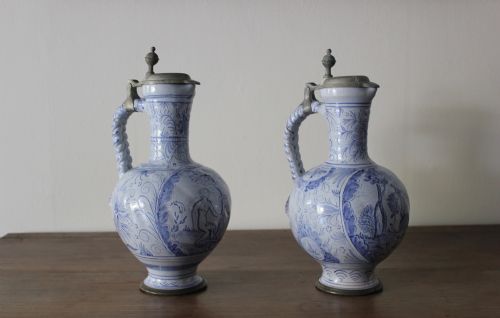
Firing took place in traditional kilns where pieces required careful placement to prevent sticking or glaze disruption. Artisans combined earthenware bodies with tin glaze and cobalt oxide, occasionally mounting finished ceramic components in pewter, brass, or ormolu.
Listings feature tin-glazed earthenware objects spanning the 17th, 18th, and 19th centuries, utilising cobalt pigment, brass, and pewter components.
What varies in quality
Quality rests in the crispness of the painted brushwork and the depth of the glaze application. Finer examples display precise control over cobalt pigment, yielding sharp outlines and nuanced shading on chargers and vases.
The evenness of the tin glaze across the earthenware body distinguishes superior production. Workshops achieving a stable, bright white surface without excessive pitting or crawling produced pieces that retain visual clarity.
Villeroy and Boch
The Dutch Delft Ceramic Glossary
- Tin-Glazed Earthenware
- Pottery covered with a lead glaze made opaque by the addition of tin oxide. This surface served as the standard ground for painting in blue or polychrome.
- Charger
- A large decorative plate designed primarily for display on walls or sideboards rather than dining use. These items frequently form the centrepiece of collections.
- Cobalt Pigment
- A metallic colorant used to achieve deep blue tones under the glaze. It reacts predictably with high kiln temperatures.
- Polychrome
- Decoration employing multiple colours alongside or instead of standard blue. Common palettes include greens, yellows, reds, and manganese purple.
- Bough Pot
- A specialised vessel created to hold cut branches or flowers for interior decoration. These containers often feature multiple openings across the upper surface.
Dutch Delft Ceramic: Frequently Asked Questions
How do I clean old delft?
Dust surfaces gently with a dry, soft cloth to prevent accumulation. Avoid harsh chemical cleaners and submersing porous earthenware in water.
Moisture can penetrate historic glaze crazing and damage the clay body over time. Professional conservation advice helps address stubborn surface dirt safely.
Are these pieces food safe?
Historic tin-glazed items are generally unsuited for modern culinary use. Historic glazes frequently contain lead that can leach into consumable contents.
Display objects for decorative appreciation rather than daily dining. Enjoying them visually preserves the delicate glaze and pigment layers.
How do I date a delft piece?
Dating relies on stylistic markers, glaze characteristics, and potting techniques. Seventeenth-century items often show heavier earthenware bodies and specific floral or Kraak-influenced motifs.
Later nineteenth-century pieces introduce different marks, brighter white glazes, and revived styles like Art Nouveau. Comparing comparative forms across known periods clarifies age.
Why are some pieces manganese?
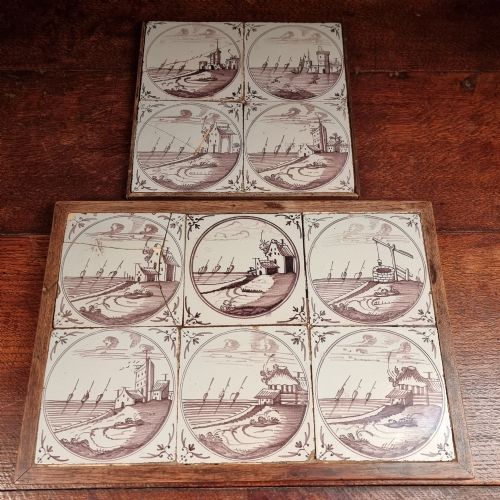
Manganese oxide produced a distinct purple-brown colour palette instead of traditional cobalt blue. Workshops utilised this pigment to create detailed pictorial tiles and vessels.
Manganese pieces offered a different aesthetic while utilising the same tin-glazed earthenware techniques. These items bring warmth and variation to blue-dominant collections.