
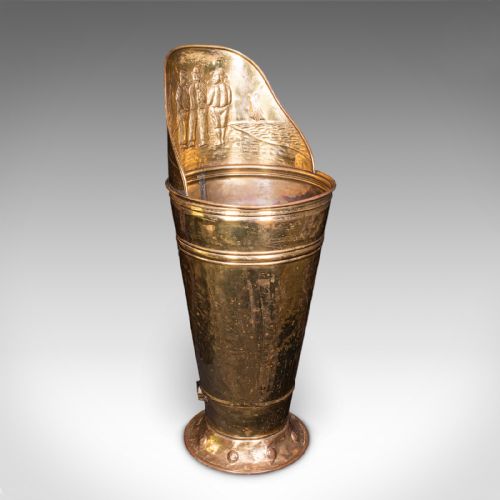


Dutch Brass Bucket
These dutch brass bucket pieces bring functional warmth and rich metalwork into a room.
Dutch Brass Bucket
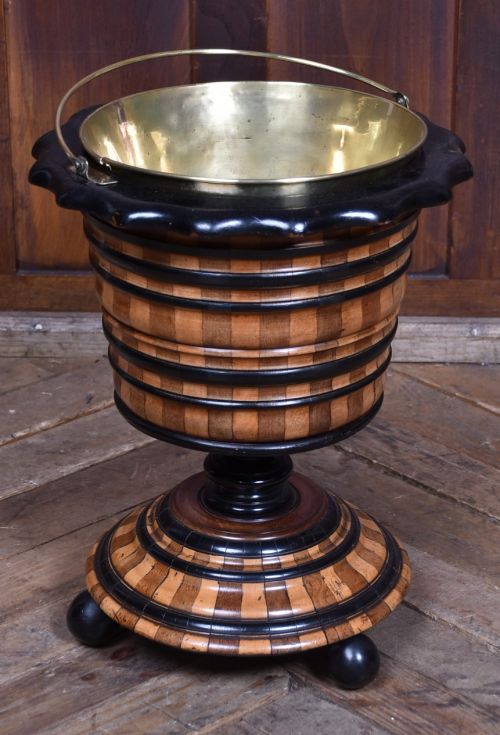
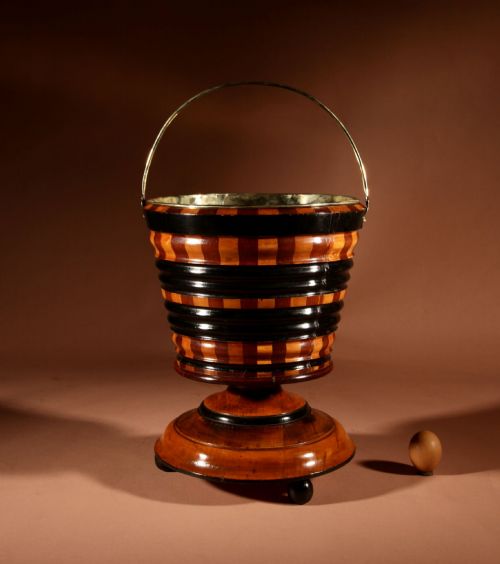
A dutch brass bucket search brings up robust fireside containers, jardinières, and coopered vessels spanning several centuries. These pieces range from utilitarian peat buckets and coal bins to refined mahogany planters and boat-shaped tea stoves.
The selection reflects both formal Empire and Georgian aesthetic influences and simpler country traditions. These vessels bring traditional craftsmanship and heavy metal accents straight into contemporary interiors.
Materials and construction methods
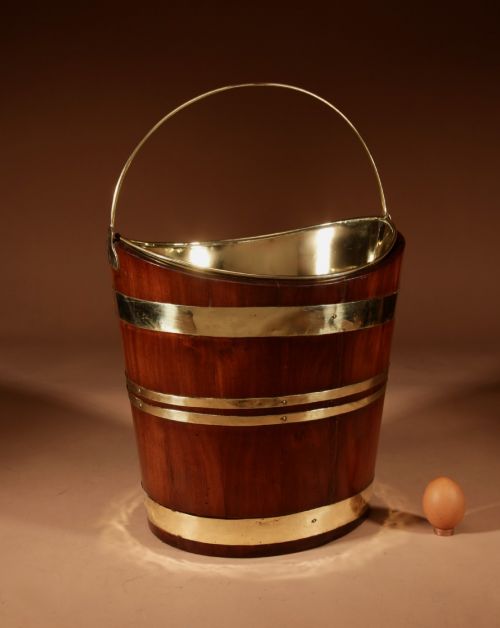
Makers built these vessels primarily using sheet brass paired with hardwoods like mahogany, teak, walnut, and ebonised wood. Coopered construction dominates the wooden examples, utilising tight staves held securely by heavy brass bands.
Sheet metalwork involves hand-beating, seaming, and decorative embossing, often displaying tavern scenes or traditional domestic motifs. Turned wooden feet, swing handles, and brass liners complete the assembly of these durable containers.
Listings feature materials spanning brass, copper, mahogany, teak, and ebonised wood across Victorian, Georgian, and Arts and Crafts styles.
Assessing quality in dutch brass bucket pieces
Quality shows in the weight of the metal and the precision of the cooperage, where tight joints and substantial brass bands indicate superior workshop output. Finer vessels display crisp decorative embossing on the brass and carefully selected timber grains.
The presence of original liners, correct swing handles, and undisturbed patination separates exceptional examples from standard utilitarian items. Superior pieces retain their structural integrity while showing the honest wear of age.
The Dutch Brass Bucket Glossary
- Coopered
- A method of construction where tapered wooden staves are joined side by side and secured with metal hoops to form a watertight or sturdy vessel. This technique creates the distinctive barrel shape seen on many planters.
- Teestoof
- A traditional Dutch footstove or warming container designed to hold hot embers beneath a perforated lid. These domestic items often double as small decorative buckets.
- Jardinière
- An ornamental pot or stand designed to hold growing plants or flowers indoors. They appear in various timber and metal configurations.
- Schuitje
- A boat-shaped vessel or container, often utilised for peat or tea storage. The form provides a distinctive profile with upswept ends.
Dutch Brass Bucket: Frequently Asked Questions
How were these buckets used originally?
These vessels served practical roles near the hearth, holding peat, coal, or ash to fuel domestic fires. Many also functioned as wine coolers or specialised containers for household goods.
Over time, wealthier households adopted finer mahogany and brass versions as decorative plant holders or umbrella stands in the hallway.
Are dutch brass bucket pieces waterproof?
Many surviving examples include original metal liners designed to contain moisture from plants or melting ice in wine coolers. Timber bodies joined by cooperage rely on these liners to prevent water damage to the wood.
Buyers intending to use unlined wooden barrels for fresh plants should insert a modern waterproof container to protect the antique staves.
How do I clean antique brass?
Old brass develops a dark, stable patination that many collectors prefer to leave untouched. Gentle dusting with a dry cloth is usually sufficient for regular maintenance.
Avoid harsh chemical dips or abrasive metal polishes that strip away historical character and leave the surface unnaturally bright.
How can I tell the age of a bucket?
Dating relies on examining construction marks, timber choice, and stylistic cues such as Georgian or Empire proportions. Hand-beated brass seams and forged iron fixings often point to earlier manufacturing periods.
Later Victorian and Arts and Crafts examples display machine-rolled metal edges and standardised fittings alongside different decorative motifs.