

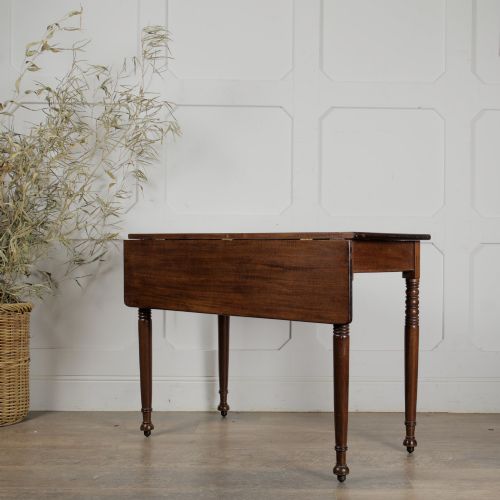
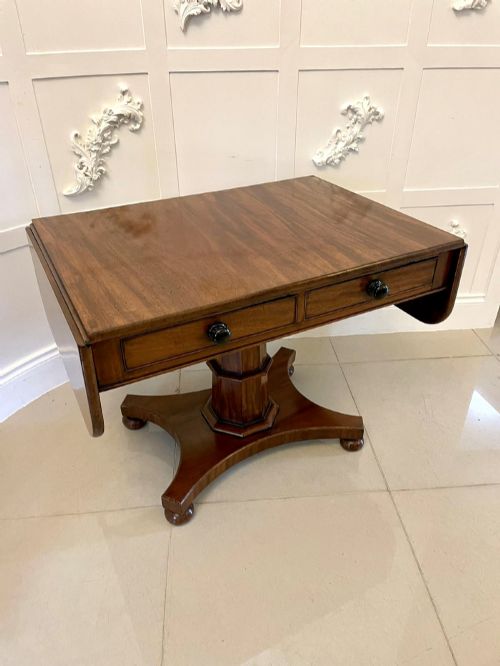
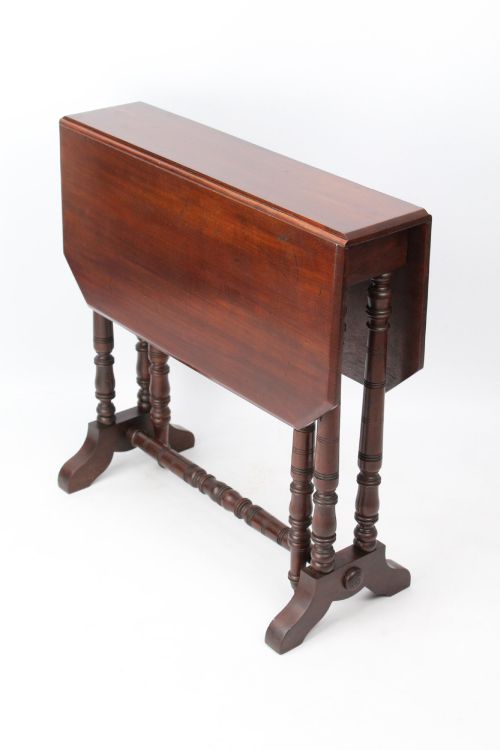
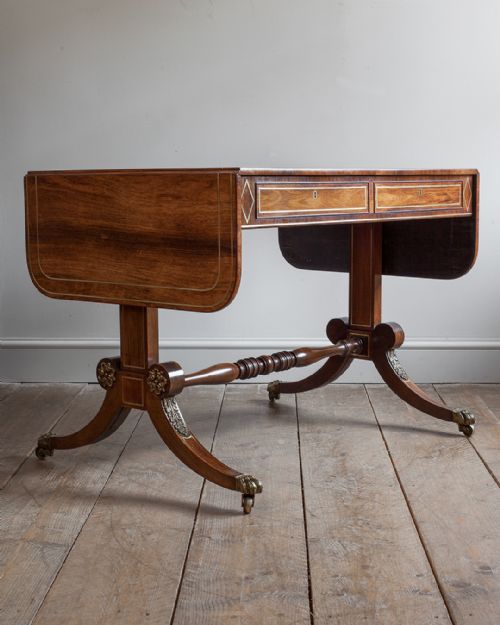
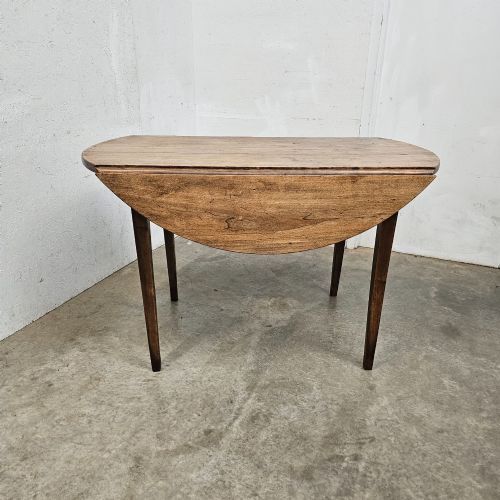

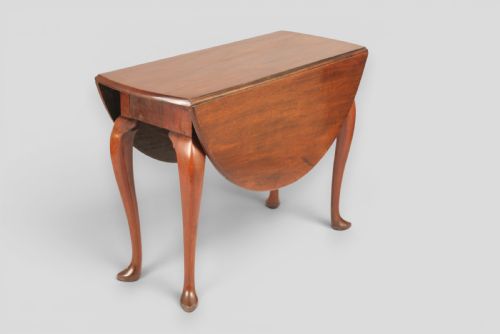
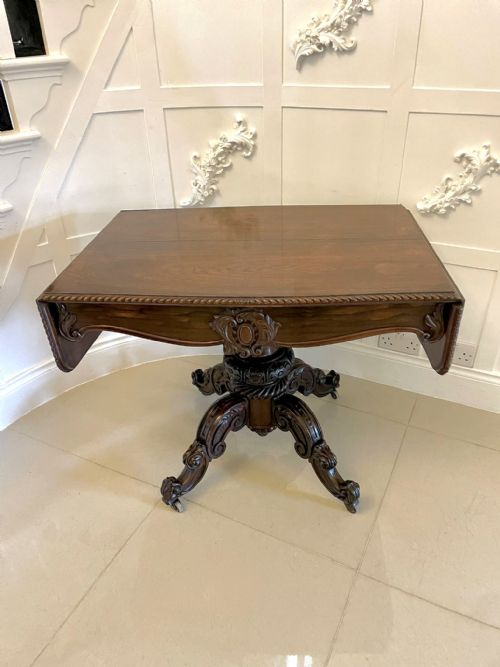
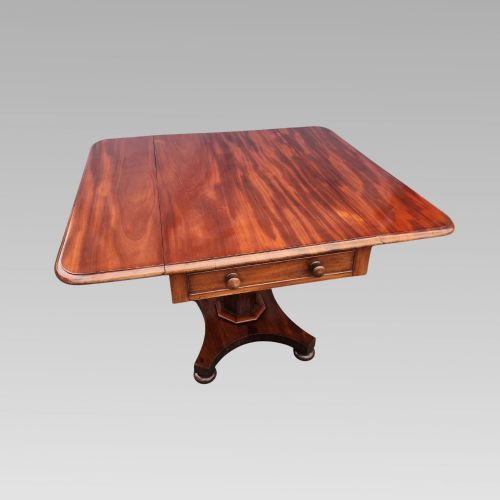


Drop Flap Console Table
A drop flap console table offers flexible surface space and timeless elegance, making it a versatile addition to any home.
Drop Flap Console Table
A drop flap console table combines the space-saving utility of hinged leaves with the graceful silhouette of a traditional side or hall table. Buyers seeking a drop flap console table will encounter various forms across this selection, including sofa tables, Pembroke tables, and Sutherland tables.
The inventory spans multiple periods, featuring Georgian, Regency, Victorian, and later pieces constructed from timber such as mahogany, rosewood, walnut, and pine. Styles range from formal Regency designs with crossbanding and brass details to simpler Victorian and French country variants.
Materials and construction methods
Cabinetmakers utilised solid timbers and figured veneers, selecting mahogany, rosewood, walnut, and oak for their strength and rich grain patterns. Secondary woods like pine appear in structural elements or simpler regional pieces.
Drop flaps and leaves rely on hinged mechanisms supported by swing legs, fly brackets, or gateleg actions. Marquetry inlay, brass mounts, and parcel gilt embellishments provide decorative finish to formal tables.
Drop Flap Console Table Retail Price Guide 2026
Typical asking prices for drop flap console table among the pieces listed under this phrase on Sellingantiques today, from the lower quarter to the upper quarter. They describe what is for sale here now, not the wider market.
Listings feature mahogany, rosewood, walnut, and oak drop flap tables spanning the Georgian, Regency, and Victorian eras.
Assessing quality and craftsmanship
Superior examples display careful timber selection, such as matched figured mahogany or burr walnut veneers, paired with crisp hand-carving and precise inlay work. Lesser pieces often rely on plainer woods and simpler joinery.
The integrity of the drop flap mechanism and the stability of the moving leaves distinguish finer furniture. Original brass hardware and sound structural framing indicate higher workshop standards.
James Mein Kelso
The Drop Flap Console Table Glossary
- Drop flap
- A hinged leaf attached to the main top that lowers or rises to alter the surface area of the table. This feature allows the furniture to function compactly against a wall.
- Sofa table
- A rectangular occasional table traditionally designed to stand in front of a sofa, usually featuring drop leaves on opposite sides and drawers. They often incorporate double pedestal or trestle bases.
- Pembroke table
- A small occasional table with two hinged flaps on the sides and one or more drawers. The design originated in the eighteenth century and served multiple domestic purposes.
- Sutherland table
- A narrow drop-leaf table where the leaves are exceptionally large and the folding legs support them at an angle. This form folds down to a very slim profile.
- Crossbanding
- A decorative border of veneer laid perpendicular to the grain of the main surface. It frames panels of timber to create visual contrast.
Drop Flap Console Table: Frequently Asked Questions
What is a drop flap console table?
A drop flap console table is a versatile surface featuring hinged leaves that lower to save space or raise to extend the top.
These pieces function effectively as side tables, hall tables, or occasional desks depending on their design and period.
How were these tables used originally?
In period homes, they served as flexible furniture for drawing rooms, dining rooms, and hallways.
Owners could expand the flaps for dining or writing and drop them when floor space was needed.
How do I date a mahogany table?
Dating relies on examining timber characteristics, construction methods, hardware, and stylistic details typical of specific eras.
Georgian and Regency pieces exhibit different leg turnings, veneer techniques, and proportions compared to Victorian equivalents.
Can I use a drop flap table daily?
These tables are sturdy enough for regular use provided the hinge mechanisms and support legs are handled with care.
Placing them away from direct heat sources helps protect the polished wood surfaces and veneers.