


Dresden Porcelain Centrepiece
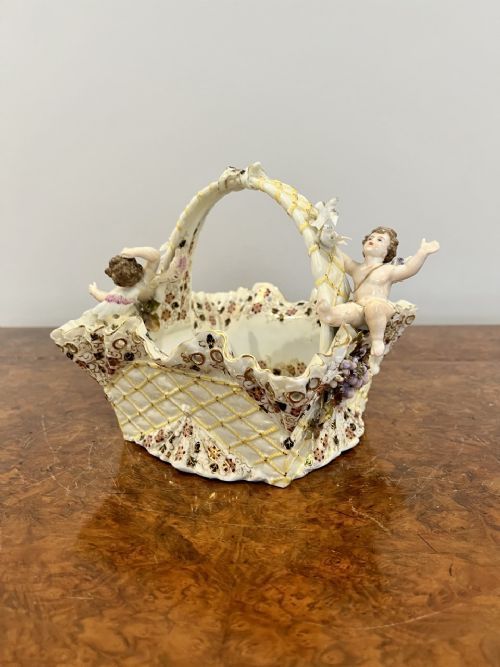
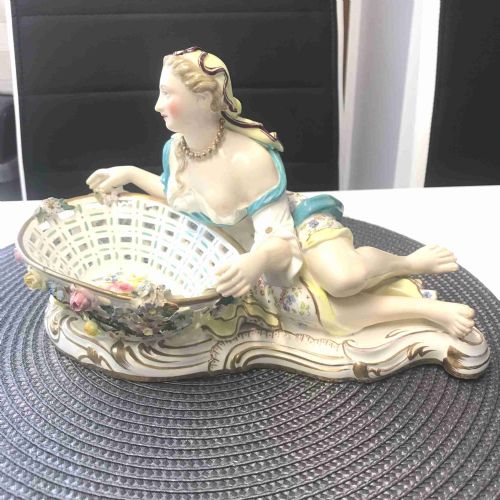
A dresden porcelain centrepiece brings an ornate Victorian or Edwardian flourish to a table, crafted from hard-paste porcelain with delicate applied roses and figures.
Dresden Porcelain Centrepiece
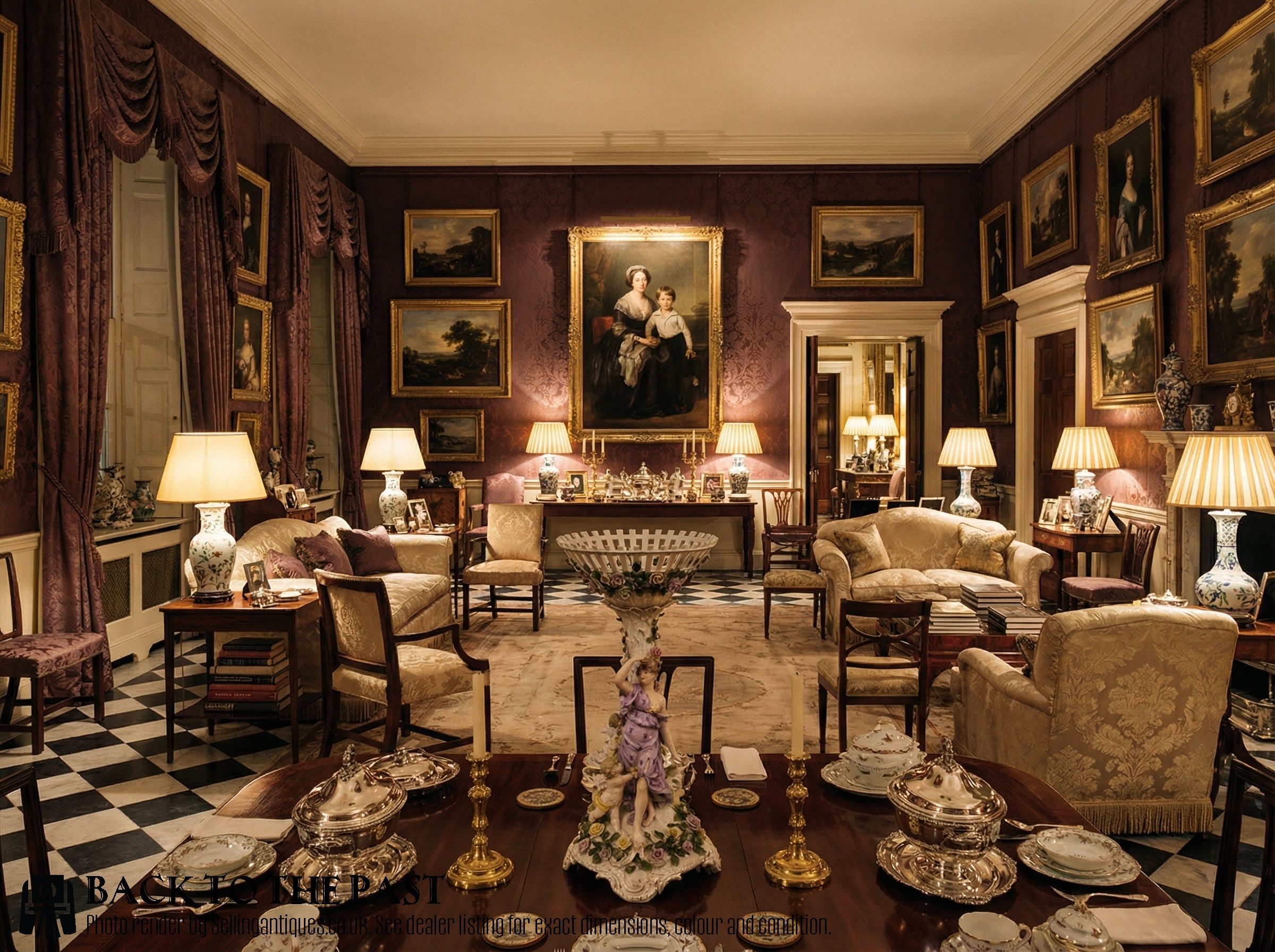
When searching for a dresden porcelain centrepiece, collectors encounter elaborate German works designed to dominate a dining table or sideboard. These pieces frequently take the form of large bowls, baskets, and comports supported by putti, cherubs, or maiden figures, drawing heavily on Rococo Revival styles.
The versions most commonly met on this page date from the late nineteenth century through to the Edwardian period and around nineteen ten, originating primarily from German factories such as Schierholz, Sitzendorf, and Carl Thieme. Alongside grand centrepieces, related table furnishings appear, including figural candelabra, sweetmeat dishes, and decorative baskets adorned with intricate floral work.
How they were made
Makers utilised hard-paste porcelain, shaping the body through careful moulding and hand-modelling of sculptural elements like putti and cherubs. Artisans then applied delicate ceramic flowers, such as individual roses, petal by petal onto the surface before the initial firing.
Surface decoration relied on polychrome enamel painting, complemented by gold leaf, gilt, and gilding applied to highlights and rims. A transparent glaze sealed the piece, giving it the characteristic glossy finish seen across Victorian and Edwardian examples.
Listings feature hard-paste porcelain items spanning from the eighteenth century to the Edwardian era, predominantly showcasing German and Saxony regional manufacturing.
What varies in quality
Proportion and scale also dictate worth, particularly in large multi-tier centrepieces where complex structures involving musical putti or shell motifs must remain balanced and secure. The application of gold leaf and the subtlety of the enamel painting further separate standard production from masterworks.
C.G. Schierholz and Sohn·Sitzendorf Porcelain·Carl Thieme Dresden
The Dresden Porcelain Centrepiece Glossary
- Hard-paste porcelain
- A dense, durable ceramic material fired at high temperatures, composed of kaolin and petuntse. It forms the robust base for traditional German tablewares.
- Putti
- Plural of putto, depicting chubby, naked male infants often resembling cupids or cherubs. They frequently support the bowls and baskets in nineteenth-century German centrepieces.
- Comport
- A decorative dish or bowl raised on a high foot or pedestal, used for serving fruit or sweets. These items sit centrally on dining tables.
- Sweetmeat dish
- A small, ornate vessel intended for holding confectionery, nuts, or small sweet treats. They often match the decorative scheme of larger centrepieces.
- Rococo Revival
- A nineteenth-century design movement inspired by the French Rococo style of the eighteenth century. It is characterised by asymmetry, C-scrolls, and lavish natural ornamentation.
- Gilding
- The application of gold leaf or powdered gold onto the surface of porcelain. It accentuates moulded details, rims, and figural elements.
Dresden Porcelain Centrepiece: Frequently Asked Questions
How were centrepieces used originally?
These large porcelain objects served as the focal point of a formal dining table during the Victorian and Edwardian eras. They were often filled with fresh fruit, sweetmeats, or decorative flowers to impress dinner guests.
Beyond dining rooms, they sat upon sideboards and console tables as pure display pieces, demonstrating the host's refined taste and appreciation for elaborate continental ceramics.
How do I spot an 18th-century piece?
True eighteenth-century examples, such as early Meissen figures, exhibit different paste compositions and hand-mixed enamel palettes compared to later nineteenth-century revival pieces. Marks on the base, where present, correspond strictly to early factory periods rather than later Victorian revival eras.
Form and weight also provide clues, as earlier pieces display a distinct lightness in the paste and hand-carving style that later factories emulated during the Rococo Revival.
What is Dresden porcelain?
Dresden porcelain is a term used to describe ceramics produced in Dresden and surrounding regions of Saxony, including works from Carl Thieme and other German factories. It denotes a tradition of highly decorative, sculptural porcelain rather than a single manufactory.
These items are recognised by their copious applied flowers, pastel enamel painting, and playful figural groupings involving putti, cherubs, and maidens.