
Dr Wall Period Worcester
Dr Wall period worcester ceramics bring eighteenth-century porcelain artistry into your home through finely painted teapots, dishes, and tableware.
Dr Wall Period Worcester
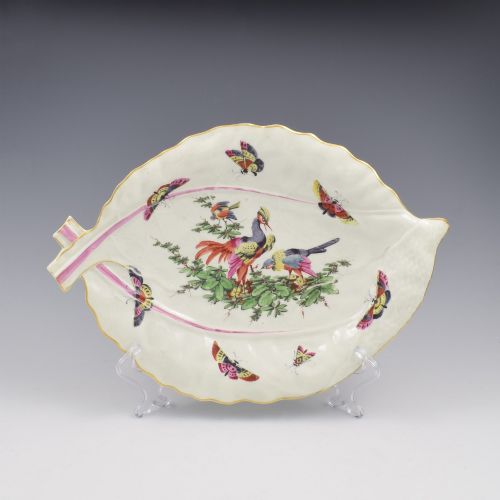
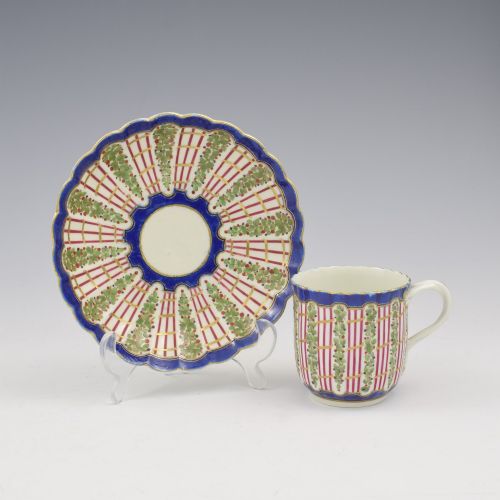
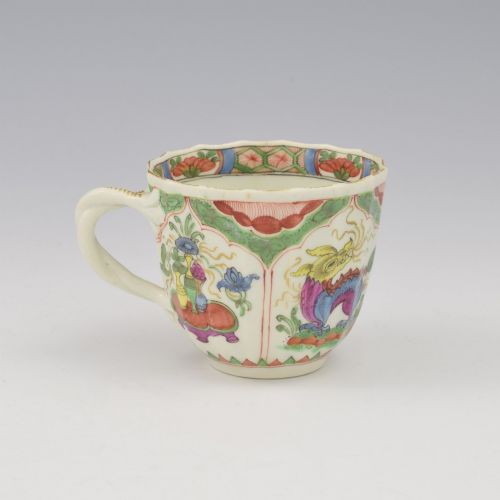
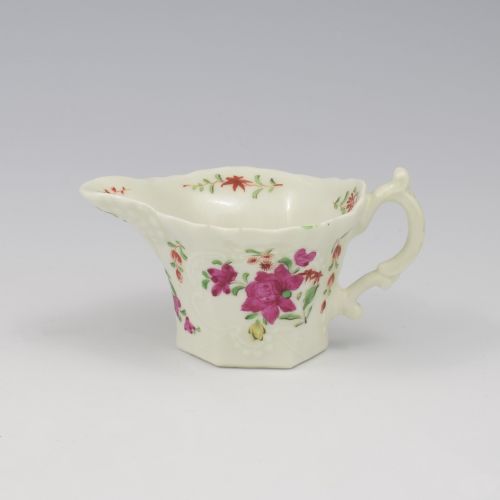
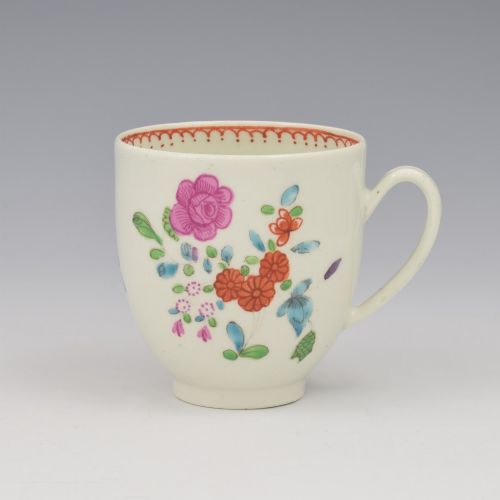
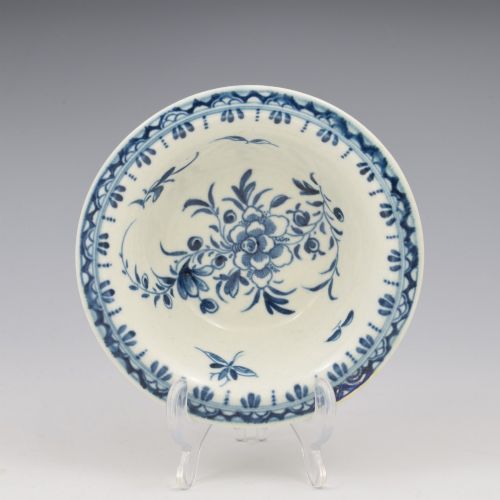
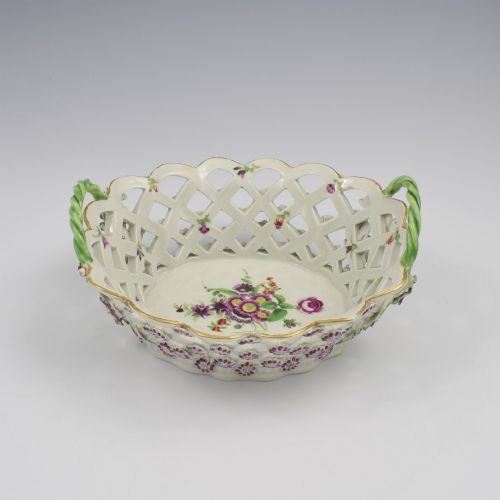
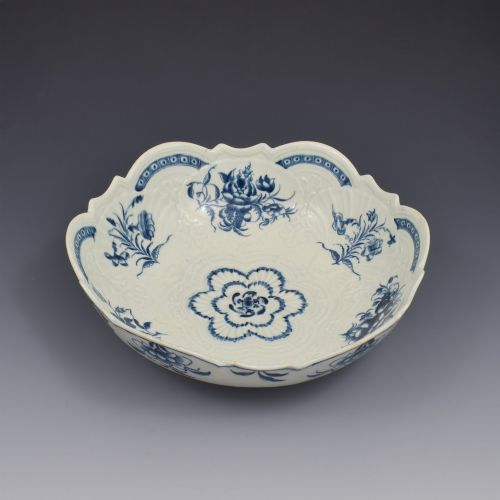
When you search for dr wall period worcester, you encounter eighteenth-century English tableware and decorative pieces produced during the Georgian era. These items span functional vessels like teapots, milk jugs, and coffee cups alongside ornamental baskets, saucers, and dessert dishes.
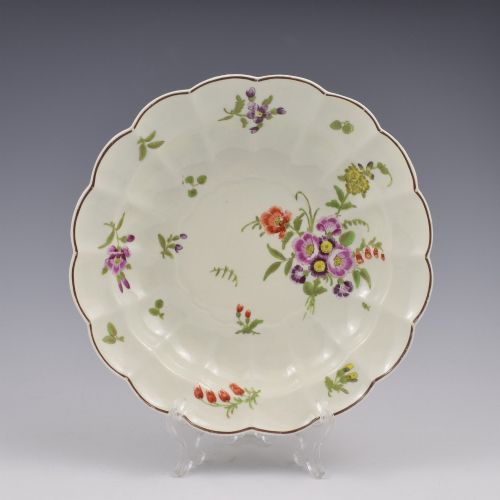
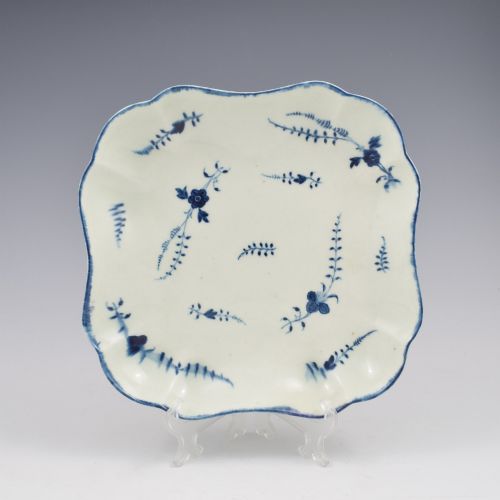
The objects originating from this foundation reflect the stylistic shifts of the seventeen-fifties through the seventeen-eighties. You meet blue and white underglaze transfer prints alongside polychrome enamelled compositions and gilt detailing.
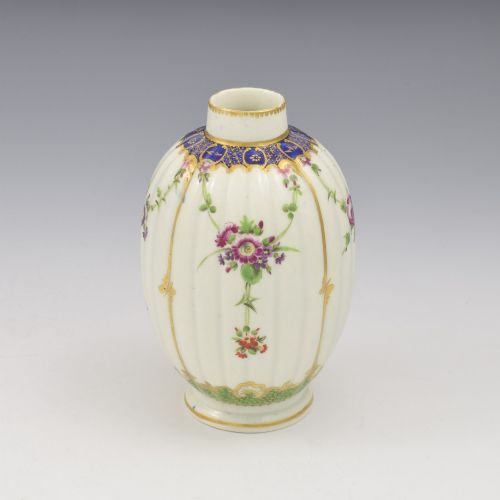
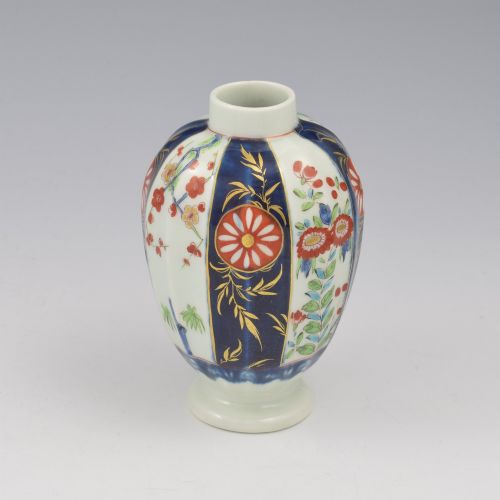
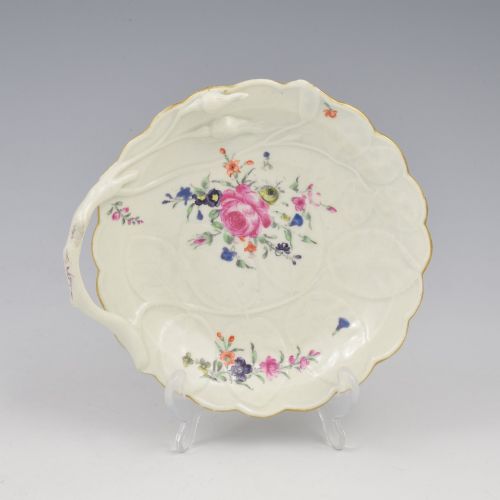
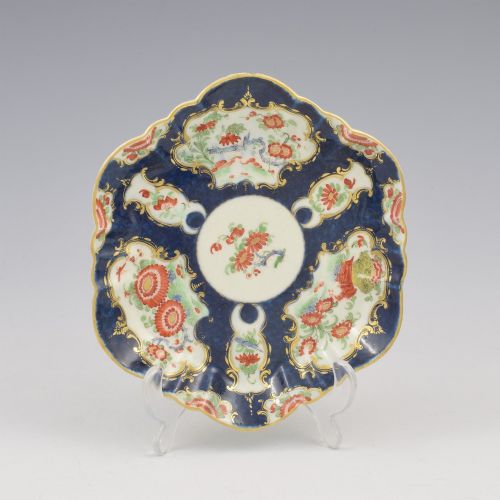
The forms encompass hexagonal sauce boats, leaf-shaped pickle dishes, and fluted tea canisters. These pieces demonstrate the technical ambition of early English porcelain factories operating under Georgian patronage.
Materials and Technique
Potters shaped these objects using soft-paste porcelain, a vitreous ceramic body that fused clay, glass frit, and soapstone. This formulation required careful firing in kilns to produce a smooth canvas for subsequent decoration.
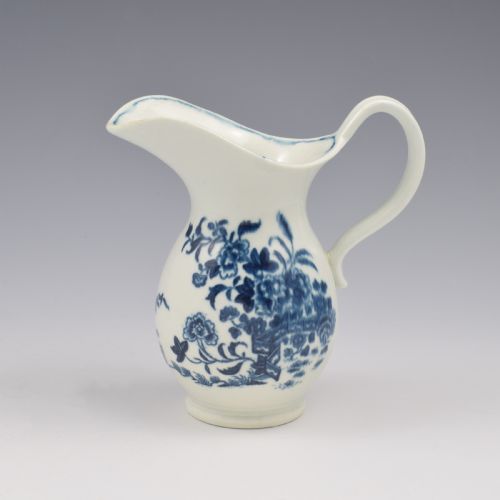
Painters applied cobalt glaze beneath the transparent surface for deep blue motifs, while enamel colours and gold leaf rested on top of the glaze. Artisans also utilised transfer printing to apply complex vignettes onto tea bowls and mugs.
Listings feature eighteenth-century soft-paste porcelain decorated with cobalt glaze, enamel, and gold leaf.
Variations in Quality
Quality rests upon the precision of the hand-painted brushwork and the complexity of the chosen palette. Pieces featuring rich polychrome enamels, detailed Kakiemon designs, or elaborate scale backgrounds demonstrate superior factory output.
The crispness of the porcelain moulding defines the upper tiers of production. Well-defined leaf veins on pickle dishes and deeply fluted tea wares separate standard utilitarian items from ambitious cabinet pieces.
The Dr Wall Period Worcester Glossary
- Soft-paste porcelain
- An early ceramic composition containing glass frit and soapstone rather than hard kaolin clay. This material produced a warm, creamy body beneath the glaze.
- Cobalt glaze
- A metallic oxide pigment that turns deep blue during firing. Artisans used this under the glaze for durable floral patterns and landscapes.
- Chinoiserie
- European interpretations of East Asian artistic motifs. These designs feature figures in gardens, pavilions, and whimsical landscapes.
- Kakiemon
- A Japanese porcelain style characterised by asymmetric asymmetrical floral and bird motifs. Worcester painters adopted these palettes for polychrome wares.
- Scale blue
- A patterned dark blue ground resembling fish scales applied to the exterior of cups and dishes. Artisans often reserved shaped white compartments within this blue field for painted flowers.
Dr Wall Period Worcester: Frequently Asked Questions
What is dr wall period worcester?
These pieces represent eighteenth-century English ceramics produced at the Worcester manufactory during the tenure of Doctor John Wall. The factory created both utilitarian tableware and decorative display items.
The inventory includes tea vessels, jugs, leaf dishes, and baskets decorated in blue and white or polychrome enamels. Collectors prize them for their delicate bodies and painted artistry.
How were these teapots used?
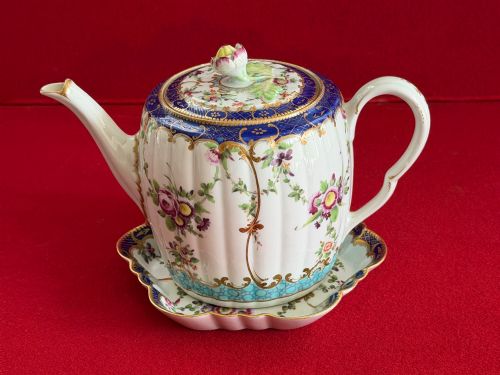
Georgian households utilised these teapots, coffee pots, and sugar bowls during formal afternoon tea services. They functioned as both serving vessels and status symbols on the dining table.
Servants brewed tea in the pots before pouring the hot beverage into matching tea bowls or cups. The accompanying stands protected polished wooden table surfaces from heat.
How do I care for these porcelains?
Living with eighteenth-century soft-paste porcelain requires gentle handling and stable display environments away from direct sunlight. Wash these fragile objects by hand using warm water without harsh detergents.
Avoid placing them in dishwashers or subjecting them to sudden temperature changes. Proper cabinet placement protects the glazed surfaces and delicate gilt decorations from accidental knocks.
How do I identify a piece?
Identification relies on examining the porcelain body, glaze characteristics, and decorative motifs such as Chinoiserie figures or natural flower sprays. Many items display characteristic forms like scalloped pickle dishes and fluted tea canisters.
Comparing the painting style against documented eighteenth-century patterns helps determine the period and origin. The presence of cobalt blue grounds or scale patterns further narrows the attribution.