





Double Handle Ceramic Vase
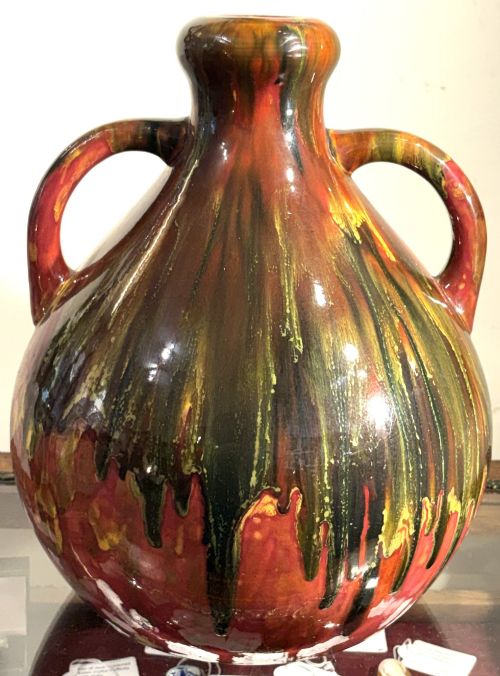
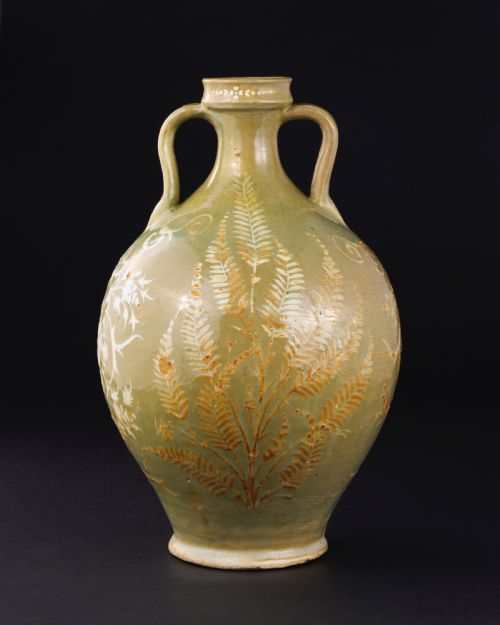
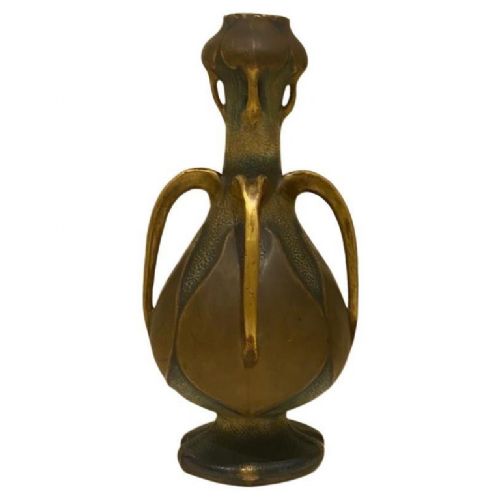
A double handle ceramic vase offers symmetry and structural presence, drawing the eye through paired terminals.
Double Handle Ceramic Vase
A double handle ceramic vase combines utilitarian vessel forms with decorative paired grips, spanning periods from the seventeenth century to the early twentieth century. These vessels appear in varied guises, including large floor-standing pottery, table lamps converted from Chinese celadon pieces, and pilgrim flasks with hand-painted scenes.
The aesthetic scope stretches widely across European and Asian traditions, encompassing Victorian art pottery, Art Nouveau floral patterns, and Safavid production. Collectors encounter earthenware and porcelain bodies finished with rich glazes, enamel, or gilt highlights.
Makers ranged from major English potteries like Burmantofts, Minton, and Doulton Lambeth to continental visionaries such as Paul Dachsel and distinguished Japanese ceramists. The resulting forms serve equally as standalone decorative art and functional centrepieces.
How they were made
Potters shaped these vessels using earthenware and porcelain bodies, applying handles as structural extensions or ornamental loops during the forming stage. Techniques demanded precise throwing or moulding to support the weight of twin terminals, particularly on large exhibition pieces.
Surface decoration involved complex glazing methods, including celadon glaze, colourful enamel work, and applied gilt detailing. Kiln firing temperatures dictated the vitrification of the ceramic body and the depth of the final glaze finish.
Double Handle Ceramic Vase Retail Price Guide 2026
Typical asking prices for double handle ceramic vase among the pieces listed under this phrase on Sellingantiques today, from the lower quarter to the upper quarter. They describe what is for sale here now, not the wider market.
Listings feature ceramics spanning the seventeenth to the twentieth century, with earthenware and porcelain representing the primary materials used by makers.
What varies in quality
Quality rests upon the harmony between the vessel body and the articulation of the twin handles, where superior examples exhibit seamless integration rather than clumsy attachment. The finesse of the glaze application, whether a translucent celadon or a complex Art Nouveau floral scheme, dictates visual depth.
Signatures, impressed factory marks, and designer attributions elevate certain works, distinguishing standard factory output from pieces conceived by notable figures like Christopher Dresser or Makuzu Kozan. The crispness of enamelling and the preservation of gilt detailing further separate exceptional specimens from simpler production.
Burmantofts·Makuzu Kozan·Wileman Intarsio·Minton·Doulton Lambeth·Coalport·Paul Dachsel·Linthorpe Pottery
The Double Handle Ceramic Vase Glossary
- Celadon glaze
- A pale green or grey-green ceramic glaze originating in East Asia, prized for its resemblance to jade. It relies on iron oxide in a reduction kiln atmosphere to achieve its characteristic tone.
- Earthenware
- Porous pottery fired at relatively low temperatures, requiring a glaze to achieve watertightness. It forms the robust body for many nineteenth-century art pottery pieces.
- Pilgrim flask
- A flattened circular vessel with two loops for suspension cords, adapted by European porcelain manufactories into decorative twin-handled vases. They often feature pictorial scenes on the main body.
- Intarsio
- A distinctive earthenware body developed by Wileman and Company, known for rich multi-coloured printed and painted floral patterns. It mimics the appearance of inlaid wood on ceramic surfaces.
- Art Nouveau
- A decorative style prevalent around nineteen hundred, characterised by fluid, organic lines inspired by natural forms such as water lilies and winding stems.
Double Handle Ceramic Vase: Frequently Asked Questions
What is a twin handled vase?
A twin handled vase is a ceramic vessel featuring two distinct grips or handles projecting symmetrically from the body or neck. These handles often echo classical vessel forms or modern organic styling.
Such pieces were designed for display, sometimes functioning as decorative mantel ornaments or large focal points within a Victorian or Edwardian interior.
Are these vases glazed?
Most pieces feature a protective and decorative coating, ranging from smooth celadon finishes to heavy enamel paints and metallic gilt highlights. The glazing method depends heavily on the underlying ceramic body.
Earthenware pieces required a complete glaze to seal the porous clay, whereas porcelain vessels often utilised glazes for purely aesthetic depth and texture.
How were table lamp vases made?
Many decorative vessels, particularly Chinese celadon pieces from the seventeenth and nineteenth centuries, were later adapted into table lamps. This conversion usually involved mounting the ceramic base and running electrical wiring through the centre.
Collectors find these lamps valued both for their antique ceramic bodies and their functional lighting capacity in period settings.