

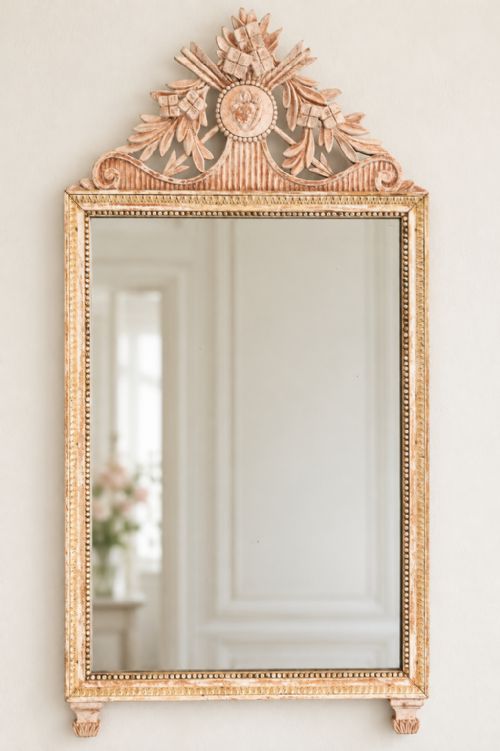
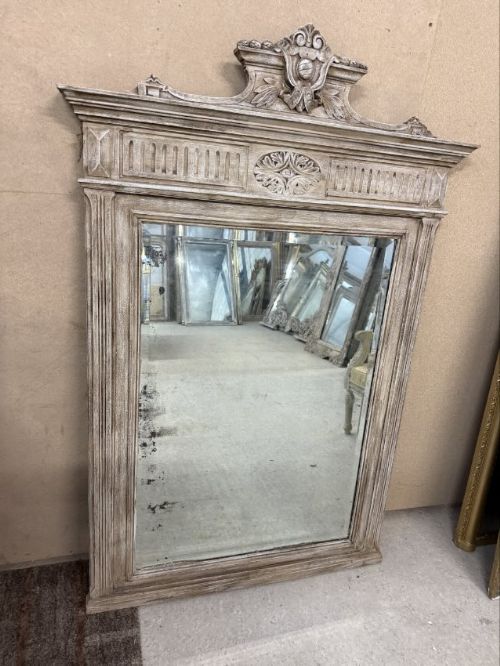
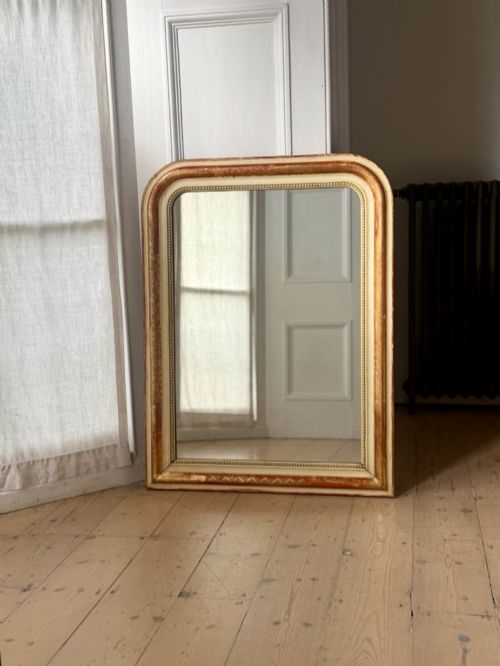
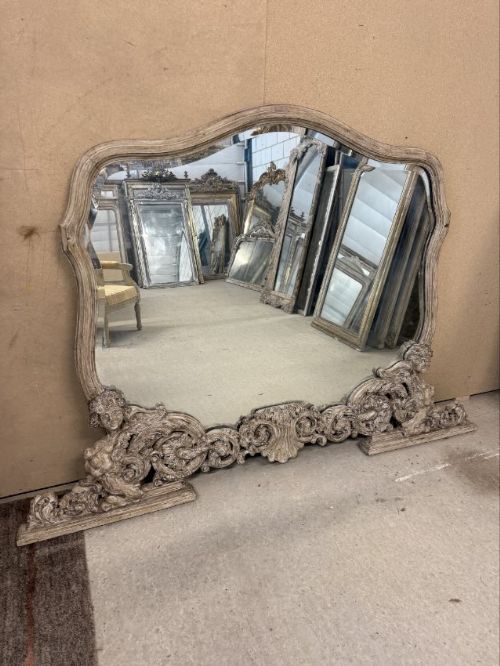
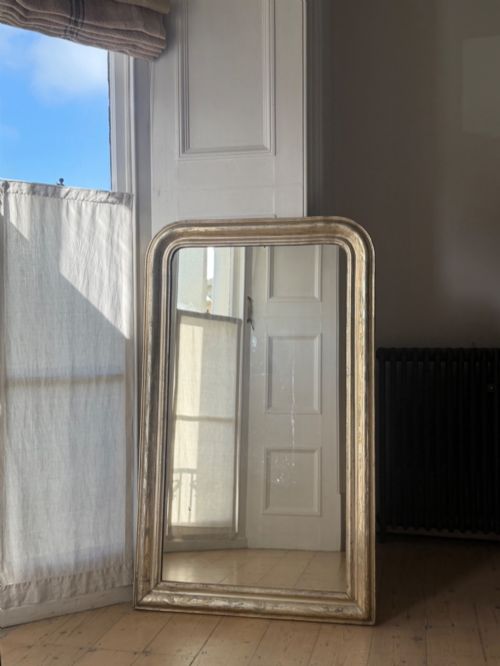
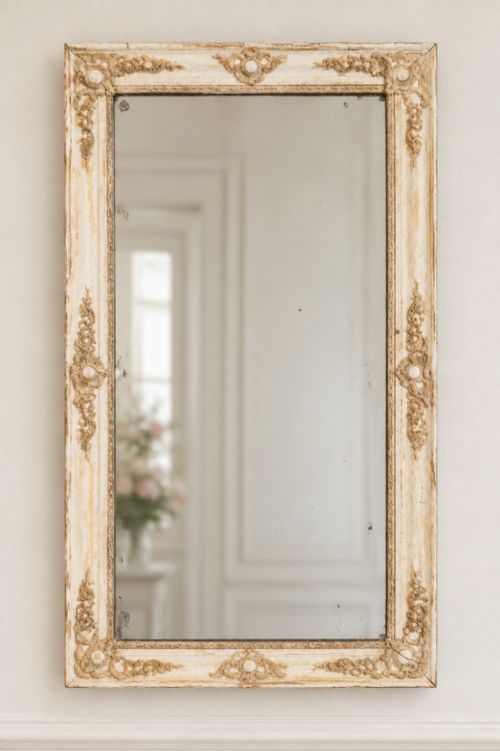
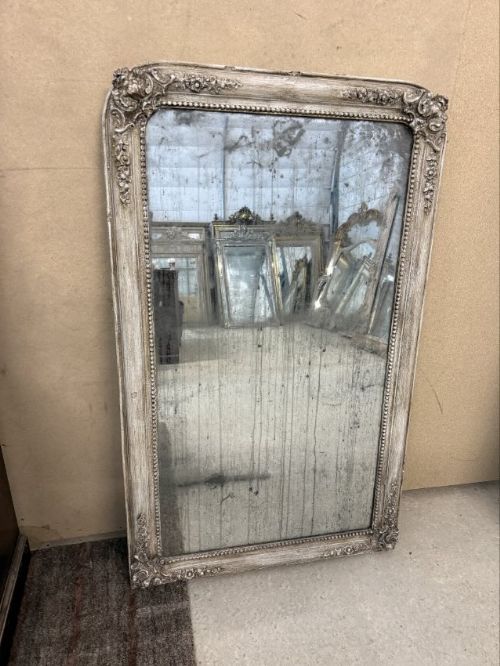
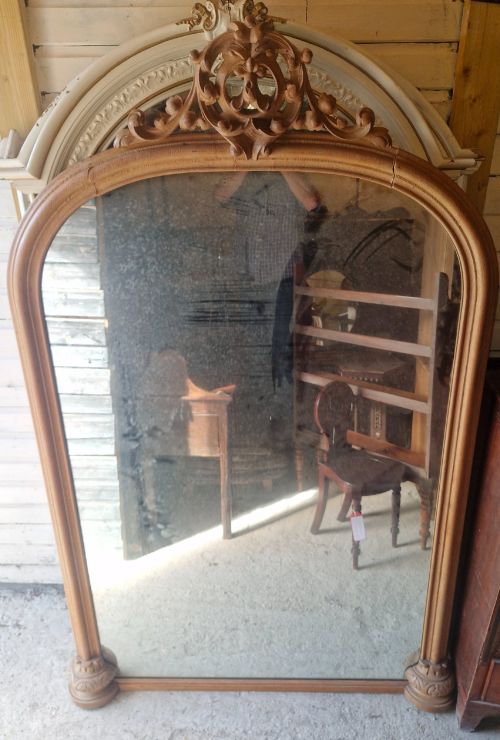

Distressed Wood Wall Mirror
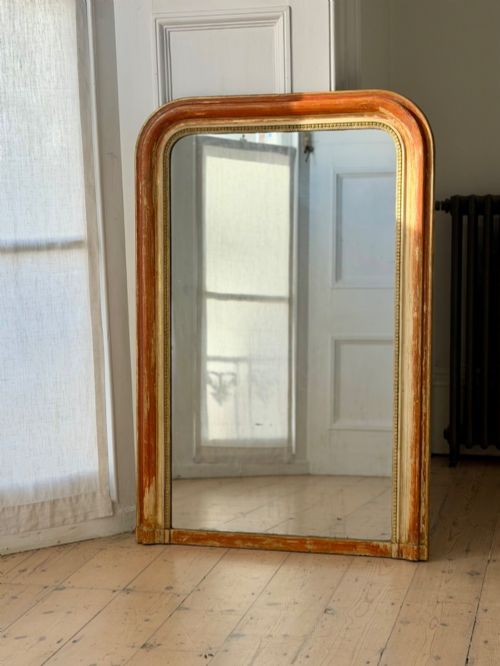
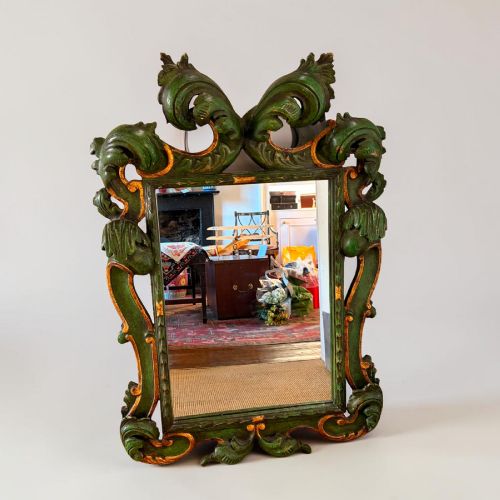
These distressed wood wall mirrors bring time-worn texture and reflected light into a room, shaped by centuries of French, English, and Italian design.
Distressed Wood Wall Mirror
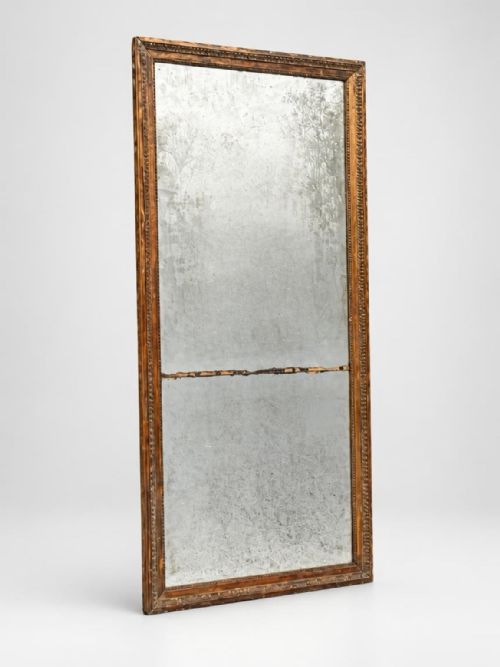
A distressed wood wall mirror combines aged timber frames with reflective glass, ranging from grand architectural overmantels to intimate dressing and pier glasses. When you search for a distressed wood wall mirror, you encounter pieces originating from eighteenth-century workshops up to early twentieth-century revivals.
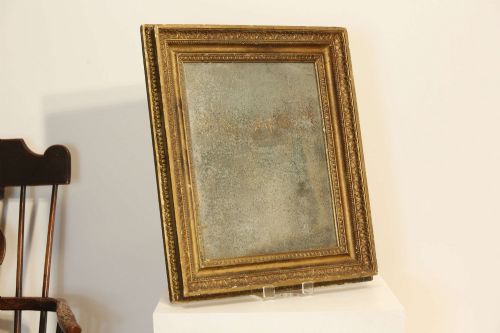
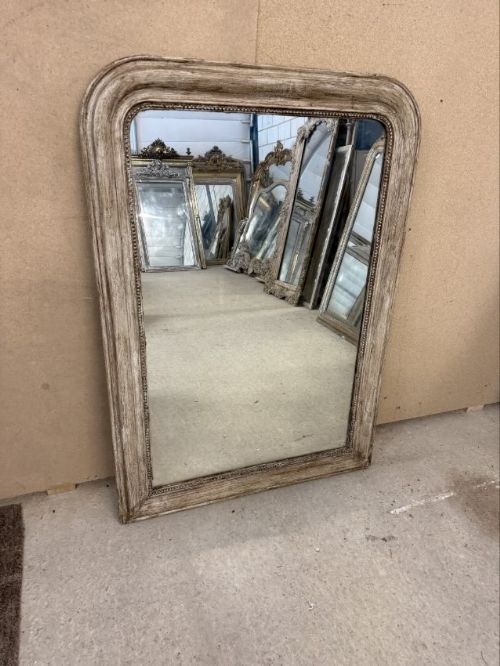
The selection on this page leans heavily toward nineteenth-century French and English examples, alongside Italian rococo and baroque interpretations. These objects often display painted, gessoed, or partially gilded surfaces where age has softened the original finish.
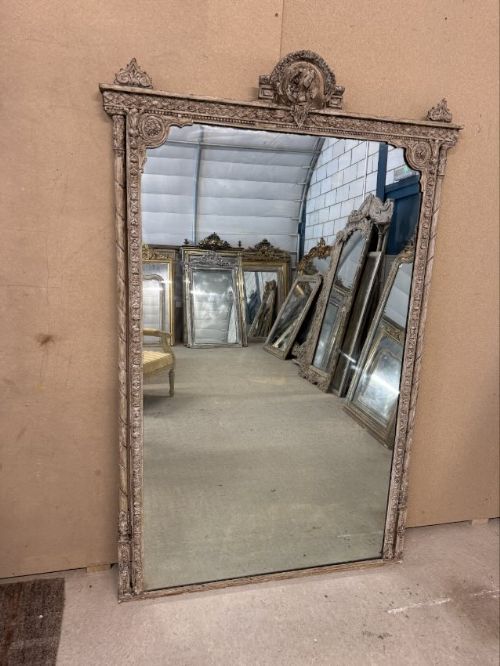
Forms vary from large architectural overmantel mirrors designed for mantelshelves to round Victorian wall glasses and carved rustic frames. Each piece carries the physical marks of its history through weathered wood and aged reflective plates.
How they were made
Frames rely on carved wood such as pine or hardwood, often coated in layers of gesso to build up decorative moulding and relief details. Artisans then applied paint, oil gilt, or gold leaf over the prepared wooden base.
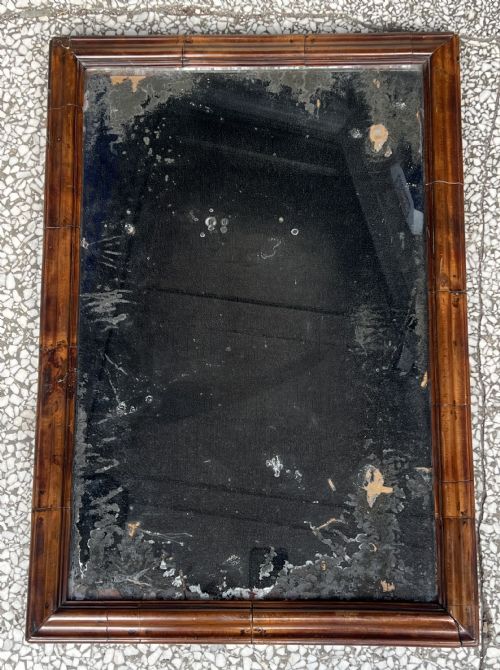
Glass plates were silvered using traditional methods, frequently resulting in foxed or speckled surfaces where the backing has deteriorated over time. Mercury glass and original vintage plates contribute the characteristic mottled reflection seen across these items.
Distressed Wood Wall Mirror Retail Price Guide 2026
Typical asking prices for distressed wood wall mirror among the pieces listed under this phrase on Sellingantiques today, from the lower quarter to the upper quarter. They describe what is for sale here now, not the wider market.
Some nineteenth-century mirrors carry the faint ghosts of old candle soot trapped in the deep crevices of their carved wooden scrollwork.
What varies in quality
The distinction between tiers rests upon the depth of the hand-carving in the wooden frame and the integrity of the gesso application. Superior examples retain crisp detail in architectural mouldings even beneath layers of aged paint and historic overpainting.
Original mirror plates command attention when the foxing and ageing appear organic rather than manufactured, matching the natural wear of the frame. The harmony between the timber structure and its surface patina dictates the overall character of the piece.
The Distressed Wood Wall Mirror Glossary
- Foxed glass
- Mirror glass displaying dark spots and speckles caused by the degradation of the reflective backing over decades. This natural ageing process creates a soft, mottled reflection prized for authenticity.
- Gesso
- A plaster mixture applied to wood frames to create a smooth surface for gilding or painting. It allows intricate relief ornamentation to be carved and moulded.
- Overmantel mirror
- A wide mirror specifically designed to hang above a fireplace mantel. These architectural pieces often feature landscape proportions to fit the hearth.
- Trumeau pier mirror
- A tall mirror designed to hang on the wall space between two windows. It frequently incorporates painted panels or carved woodwork above the glass plate.
- Giltwood
- Timber coated with a thin layer of gold leaf or gold paint. Over time, the underlying red bole or wood shows through the worn metallic surface.
Distressed Wood Wall Mirror: Frequently Asked Questions
Where should I hang a heavy overmantel mirror?
These large wooden frames require secure fixing directly into wall studs or masonry using appropriate weight-bearing brackets.
Their substantial timber and glass weight demands professional installation to ensure stability above a mantel or console.
What causes foxed glass on antique mirrors?
Foxing occurs when moisture slowly seeps behind the glass plate over generations, reacting with the silver or mercury backing.
This chemical ageing creates characteristic dark spots that collectors value as proof of genuine antiquity.
How do I clean an antique painted wooden frame?
Dust the carved wood gently with a dry, soft brush to protect fragile gesso and aged painted surfaces.
Avoid liquid cleaners and harsh chemicals that can strip historic patinas or damage the original finish.
How do I identify a nineteenth-century French mirror?
Look for distinctive design markers such as Louis Philippe rounded top corners, carved gesso floral motifs, and original mercury glass plates.
French pieces from this era often combine distressed painted wood with refined proportions suited for salon or bedroom settings.