
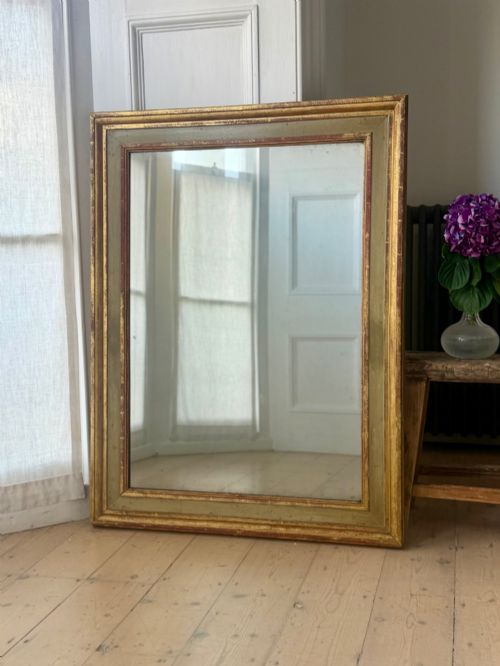
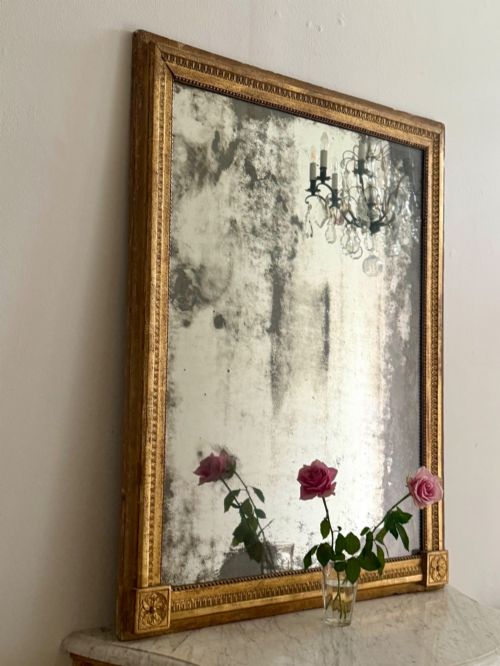
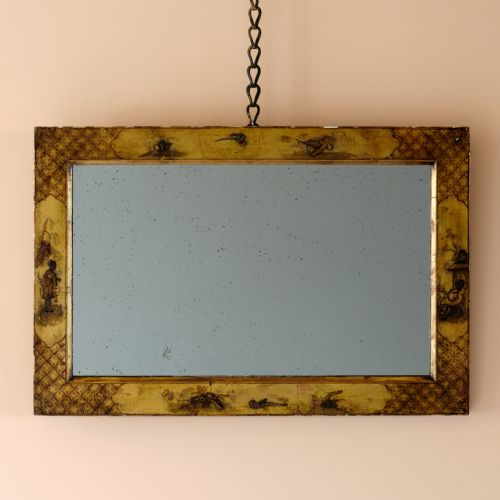
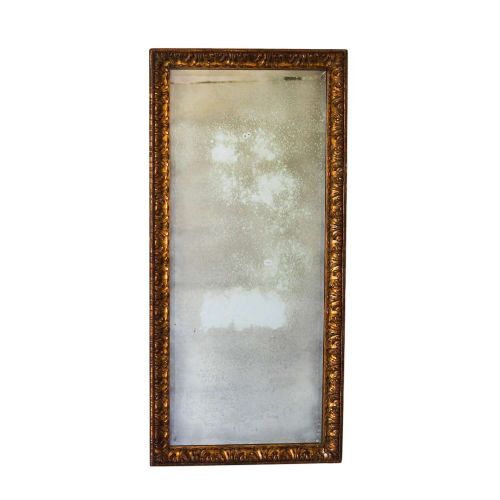
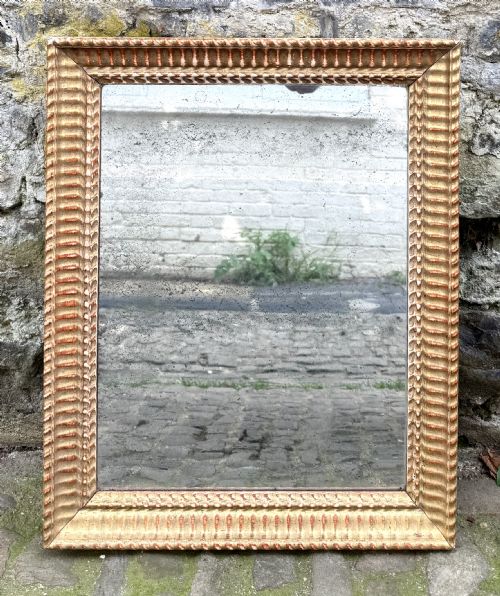


Distressed Wood Framed Mirror
A distressed wood framed mirror brings weathered character and depth to a room through centuries of authentic ageing.
Distressed Wood Framed Mirror
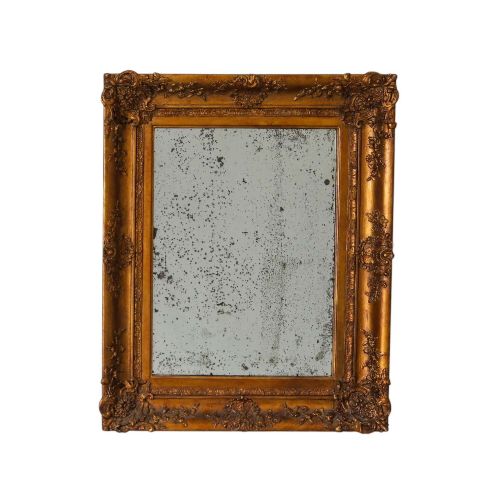
A distressed wood framed mirror is a functional wall or overmantel piece defined by aged timber and weathered paint surfaces. Buyers seeking this phrase encounter items spanning the eighteenth, nineteenth, and early twentieth centuries, with nineteenth-century examples appearing most frequently.
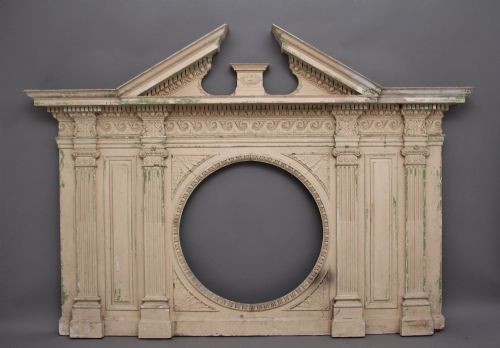
The selection ranges from large architectural overmantels to smaller dressing and pier glasses. Origin points cluster around English country houses and French provincial or chateau settings, alongside Italian baroque and rococo expressions.
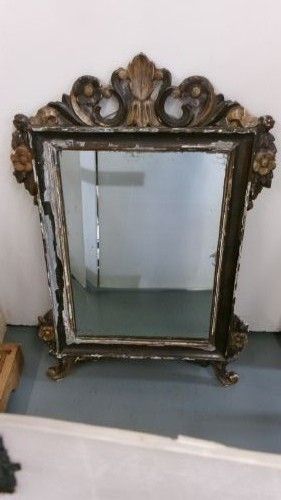
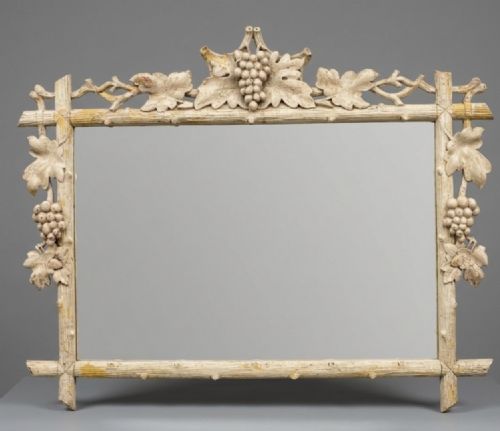
Forms include arched tops, column frames, and simpler rectangular shapes. Many feature visible wear upon the painted or gilt surfaces that accumulates through decades of use.
How they were made
Makers shaped timber frames from woods like pine, applying layers of gesso to build up decorative moulding and relief details before painting or gilding. Gold leaf and oil gilt finishes were common, often layered over earlier schemes that now show through the surface.
Mirror plates typically consist of glass set by hand, frequently taking the form of mercury glass with characteristic foxing and spotting. Over time, oxidation creates dark patches and speckling within the reflective layer.
What varies in quality
Quality rests in the integrity of the original carved wood and gesso structure rather than a pristine finish. The depth of the hand-carved details and the proportion of the frame dictate the piece's architectural presence.
Authenticity of the ageing separates superior examples from lesser items. Natural foxing in the mirror plate and genuine wear to the painted or gilded surface hold higher regard than artificial distressing.
The Distressed Wood Framed Mirror Glossary
- Mercury glass
- A type of silvered glass produced by pouring a mercury amalgam between double-walled blown glass during the nineteenth century. This process creates distinctive dark spots and foxing.
- Gesso
- A plaster-like mixture applied to wood frames to provide a smooth base for gilding or painting. It allows carvers to achieve crisp relief decoration.
- Overmantel mirror
- A large horizontal mirror designed specifically to hang above a fireplace mantel. These pieces often feature architectural elements like columns or arched tops.
- Foxing
- The natural oxidation and speckling that develops on antique mirror plates over time. This chemical breakdown results in characteristic dark patches within the glass.
- Giltwood
- Timber that has been decorated with a thin layer of gold leaf. Over centuries, the underlying red bole often shows through as the gold wears away.
Distressed Wood Framed Mirror: Frequently Asked Questions
What causes the dark spots on antique mirrors?
The dark spots, known as foxing, result from moisture and air interacting with the silvering or mercury backing behind the glass. This chemical reaction occurs gradually over decades of exposure in domestic environments.
Rather than a defect, original foxing confirms the genuine age of the glass plate. Many collectors prize this atmospheric imperfection for the historic depth it adds.
Are these mirrors suitable for bathrooms?
Antique mirrors with distressed wood frames can struggle in high-moisture environments like bathrooms. Steam accelerates the deterioration of both the timber and the silvered glass backing.
If placed in a damp space, ensure adequate ventilation to protect the antique finish. Drier rooms like hallways, living spaces, and bedrooms remain much safer environments.
How can I tell a nineteenth-century mirror from a modern reproduction?
Examining the construction of the frame and the characteristics of the glass plate usually reveals the age. Antique pieces show hand-cut timber joints, aged gesso shrinkage cracks, and irregular glass reflection.
Modern reproductions often display uniform distressing and machine-cut elements that lack organic wear. Natural patination builds up slowly and cannot be easily replicated by artificial means.