


Distressed White Framed Painting
A distressed white framed painting brings together aged textures and muted tones to anchor a room.
Distressed White Framed Painting
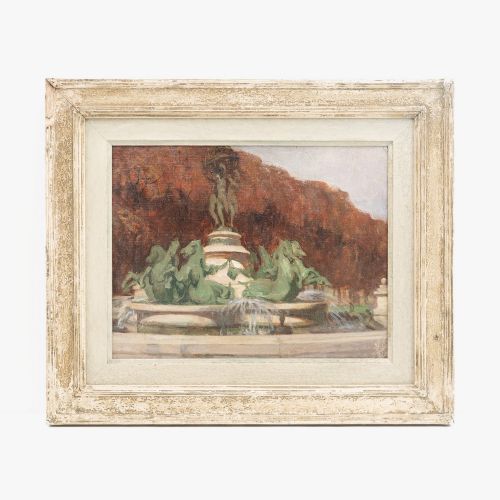
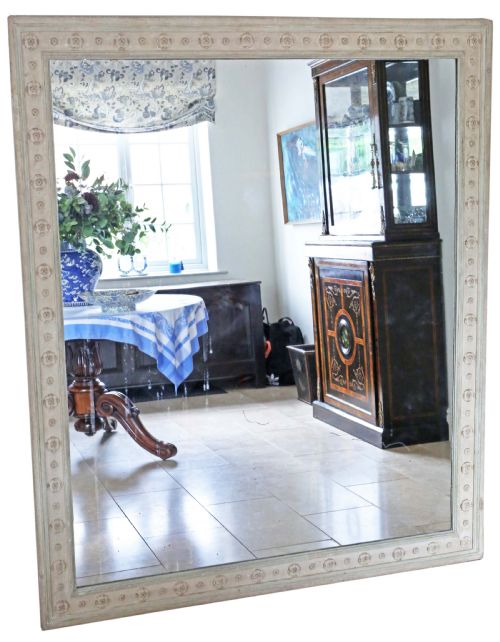
A distressed white framed painting search actually uncovers a selection dominated by large antique wall and overmantle mirrors alongside a single oil on board by Alexander Jamieson dated to 1920. These pieces primarily date from the nineteenth century through the early twentieth century, spanning periods from 1850 to 1920.
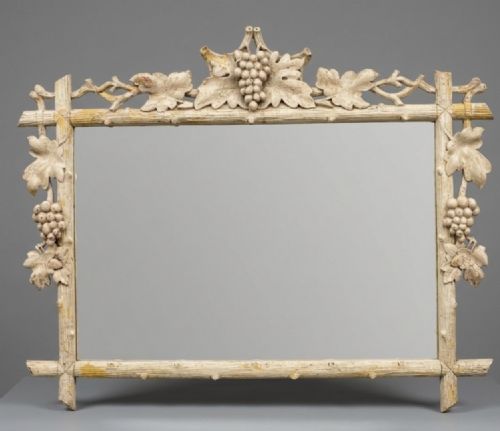
Buyers will frequently encounter substantial French and English frames fashioned from carved wood and gesso, finished with painted surfaces showing natural wear. Styles range from French Provincial and Rococo Revival to Victorian rustic and Italian Neo-Classical forms.
Materials and Technique
The makers of these frames relied on solid wood as a foundation, often applying layers of gesso to build up intricate moulded details and architectural motifs such as columns and arched tops. Paint and occasional gold leaf layers were then applied over the substrate, which over time creates the characteristic distressed surface texture seen today.
Glass elements include mirror glass, marginal mirror plates, and window mirror configurations set within the heavy wooden framework. The single painting example utilises oil applied to a rigid board support.
Listings span the nineteenth and early twentieth centuries, featuring woods, gesso, paint, and glass shaped into French and English mirrors and beds.
Assessing Quality
The distinction between ordinary and exceptional examples lies in the depth and crispness of the hand-carved wood beneath the paint layers. Finer pieces display well-defined gesso mouldings and harmonious proportions that retain their structural integrity despite centuries of surface weathering.
The character of the paint surface itself determines visual success, where natural patination and genuine historic wear provide depth that mechanical distressing fails to replicate. Superior mirror plates also exhibit appropriate ageing, such as soft foxing that complements the surrounding frame rather than obscuring the reflection.
Alexander Jamieson
The Distressed White Framed Painting Glossary
- Gesso
- A plaster-like mixture applied to wood frames to create a smooth surface for painting or gilding. It allows craftsmen to model intricate low-relief ornamentation.
- Overmantle
- A large mirror or painting designed to hang specifically above a fireplace mantelpiece. These pieces often feature horizontal proportions to span the width of the hearth below.
- Marginal mirror
- A style of looking glass where a central primary plate is bordered by smaller, bevelled glass segments. This technique adds faceted sparkle to the overall reflection.
- Cushion mirror
- A frame profile featuring a rounded, convex sweep that pushes forward towards the edge. This form was favoured in various nineteenth-century decorative schemes.
- Oil on board
- A traditional painting technique where pigments bound in oil are applied directly to a stiff wooden or pasteboard panel. It offers a stable surface distinct from stretched canvas.
Distressed White Framed Painting: Frequently Asked Questions
How do I hang a heavy overmantle mirror safely?
Substantial nineteenth-century frames require professional wall anchors fixed directly into masonry or heavy timber studs to support the considerable weight of the wood and glass.
Using proper mirror brackets or a French cleat system distributes the load evenly across the structure.
Are these painted frames original?
Many pieces retain their historic painted finishes, though descriptions frequently note over-painting or distressed patination applied to accentuate the age of the woodwork.
Examining the layers under magnification helps reveal the sequence of finishes applied over the decades.
What is the difference between an overmantle and a wall mirror?
Overmantle mirrors were originally built in landscape orientations to sit precisely above fireplace surrounds, anchoring the decorative scheme of a formal room.
Standard wall mirrors are typically versatile in proportion and intended for general placement across various domestic spaces.
How should I clean a distressed painted frame?
Dust the carved wood gently with a soft, dry brush to remove particulate matter without disturbing loose flakes of historic paint or gesso.
Avoid commercial liquid cleaners and abrasive cloths which can strip the aged patination from the surface.