


Scottish Artist Landscape Artwork
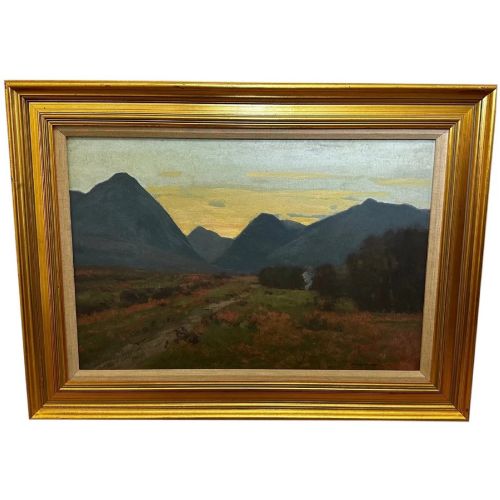
These pieces of scottish artist landscape artwork bring the depth and colour of the country straight into a room.
Scottish Artist Landscape Artwork
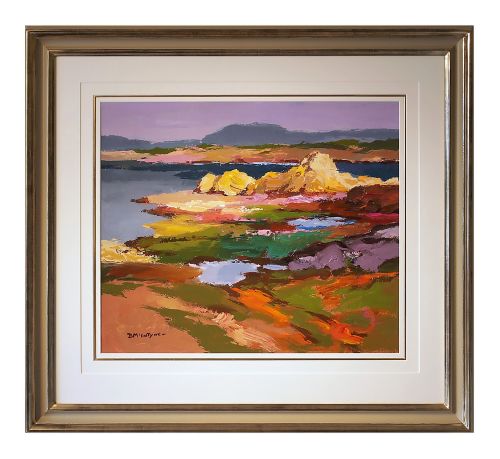
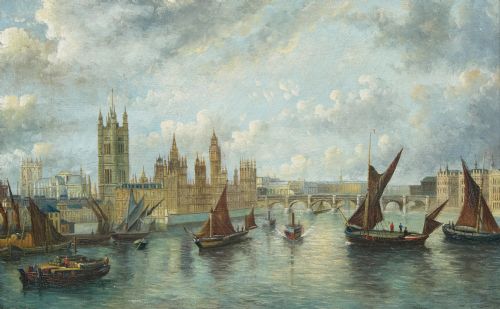
When you search for scottish artist landscape artwork, you encounter original oil and watercolour paintings capturing scenes from the nineteenth and twentieth centuries. The selection ranges from Victorian coastal seascapes and river views to modernist abstractions and mid-century townscapes.
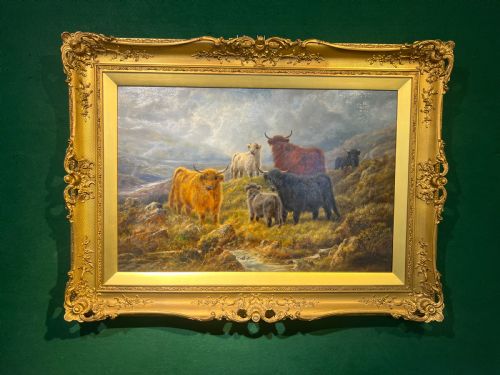
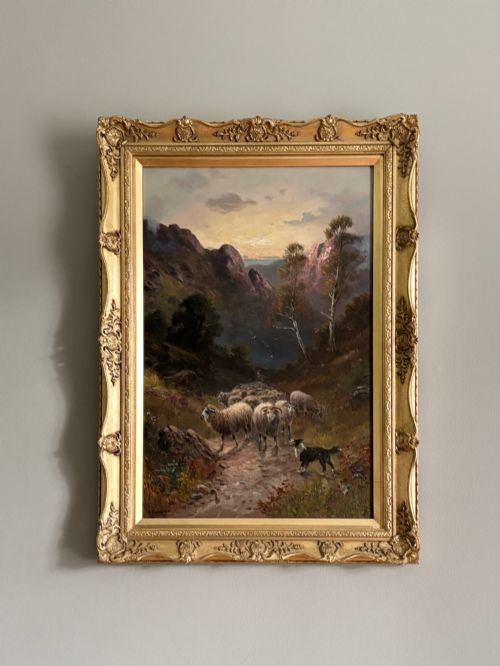
Most pieces you meet on this page are oil paintings on canvas, board, or wood panel, alongside watercolours on paper. They often feature rural vistas, sheep on the moor, and Scottish lochs created by notable named painters of the period.
How They Were Made
Artists applied oil paint to stretched canvas, wood panels, or paper boards using brushes and sometimes palette knives. Canvas and wood provided sturdy grounds for rich oil pigments that captured the changing light of rural scenes.
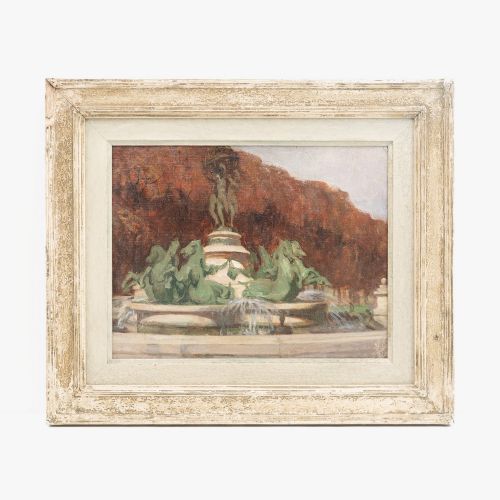
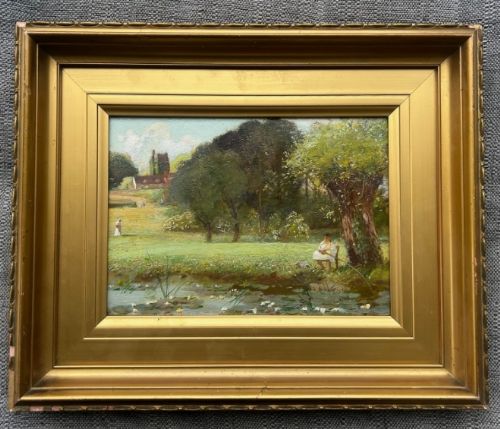
Watercolour paintings on paper relied on translucent washes applied with fine brushes to build up delicate atmospheric effects. Many works are preserved within period frames made of giltwood and wood.
Several paintings include stubborn sheep wandering across hillsides and moors, refusing to get out of the artist's way.
What Varies In Quality
The strength of the composition and the confidence of the brushwork separate standard works from exceptional pieces. Masters of Scottish Impressionism and Modern British art demonstrated greater control over light and shadow.
The handling of specific details, such as livestock, water reflections, and architecture, marks the proficiency of the painter. Original signatures and historical exhibition records also elevate the standing of a painting.
George Houston·Donald McIntyre·Robert Watson·Alexander Jamieson·Sir David Murray·William Littlejohn·John A. Houston·John Douglas Perrett·Joseph Farquharson·John Mitchell·William Miller Frazer·GW Horlor·Robert McGregor·Emily M. Paterson·Alastair Flatterly·Allan Douglass Mainds·Samuel Bough·Helen Donald-Smith
The Scottish Artist Landscape Artwork Glossary
- Oil on Canvas
- A traditional painting technique where oil pigments are applied to a woven fabric stretched across a wooden frame. This method allows for rich textures and deep colour blending.
- Watercolour
- A painting method where fine pigment particles are suspended in a water-based solution and applied to paper. It creates luminous and translucent effects.
- Giltwood
- Wood carved and coated with a thin layer of gold leaf or gold paint, frequently used for traditional picture frames. It adds a warm metallic sheen around the artwork.
- Scottish Impressionism
- A regional painting style that embraced loose brushwork and natural light, influenced by French movements. Artists focused on outdoor scenes and atmospheric coastal views.
- RSA
- Royal Scottish Academy, an institution whose members frequently signed their works with these initials. Election to the academy denoted high professional standing among peers.
Scottish Artist Landscape Artwork: Frequently Asked Questions
What periods do these paintings cover?
The works span from the nineteenth century through the Victorian era and into the mid-twentieth century. You will find pieces dated across the decades up to the nineteen-sixties.
Earlier works lean towards traditional landscapes and seascapes, while later examples include modern and abstract compositions.
Are these paintings signed by the artists?
Many of the works bear the original signatures or monograms of the painters who created them. Documentation often includes artist dates and academy memberships.
Some pieces are attributed through historical records and exhibition histories when direct signatures are absent.
What materials were used for these artworks?
Artists used oil paint and watercolour as their primary mediums. These were applied to canvas, paper, wood panels, or boards.
Many pieces are housed in their original giltwood or wood frames, which complement the age of the paintings.
How do I care for an antique oil painting?
Keep the artwork away from direct sunlight and dramatic shifts in temperature and humidity. Dust the surface gently with a soft, dry cloth without using cleaning fluids.
Ensure the painting hangs securely on a wall away from heat sources to protect the canvas and frame.