
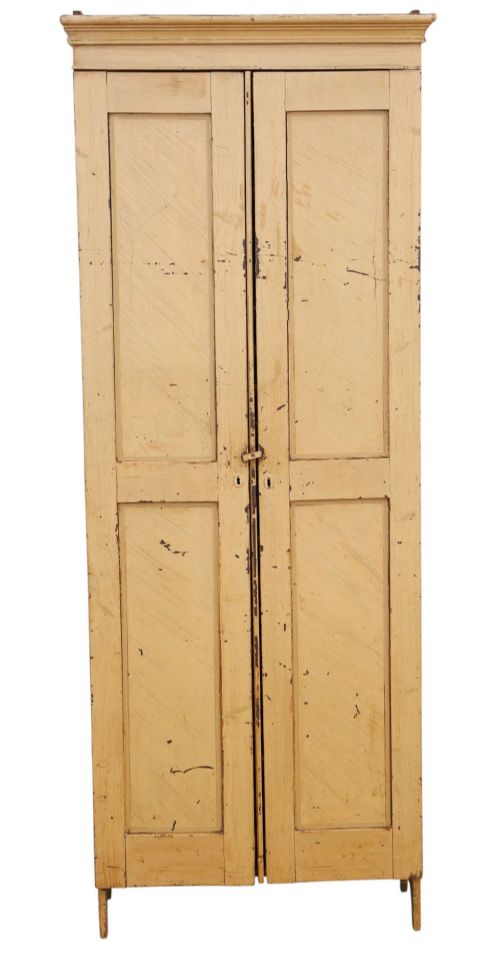
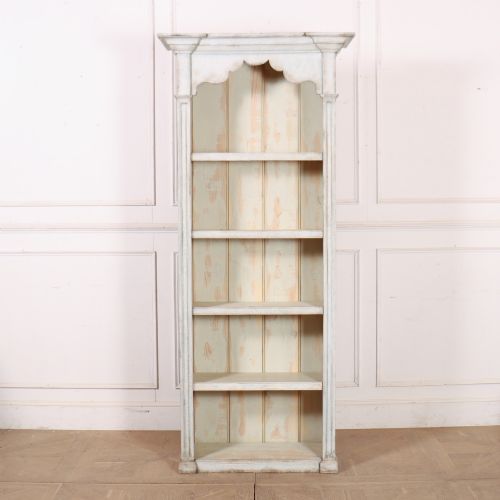
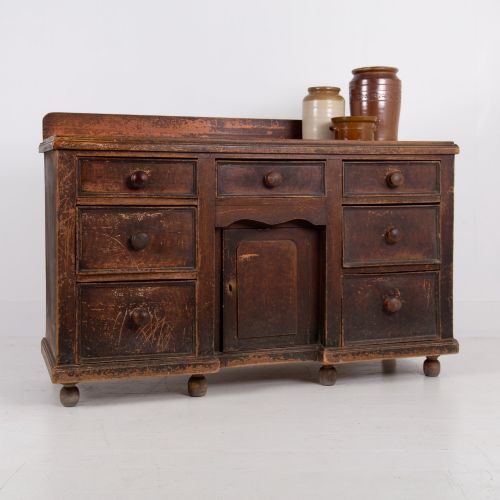
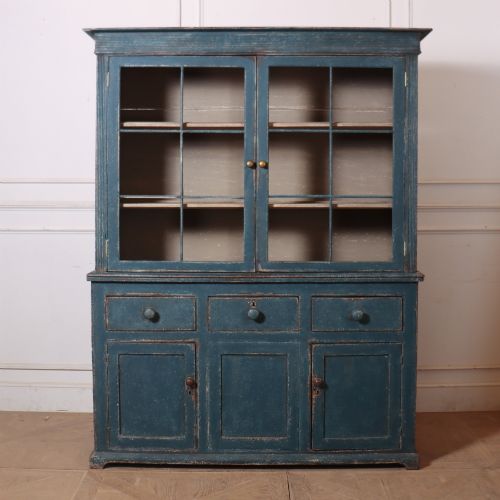
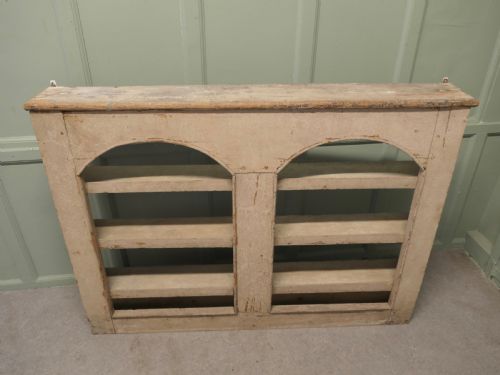
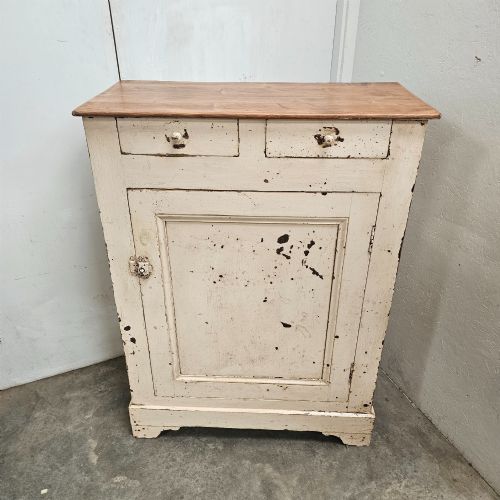
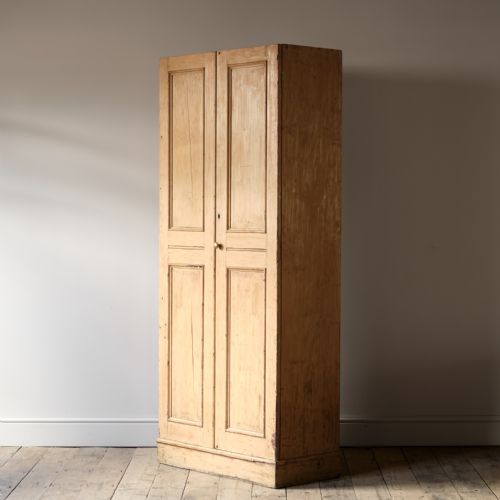
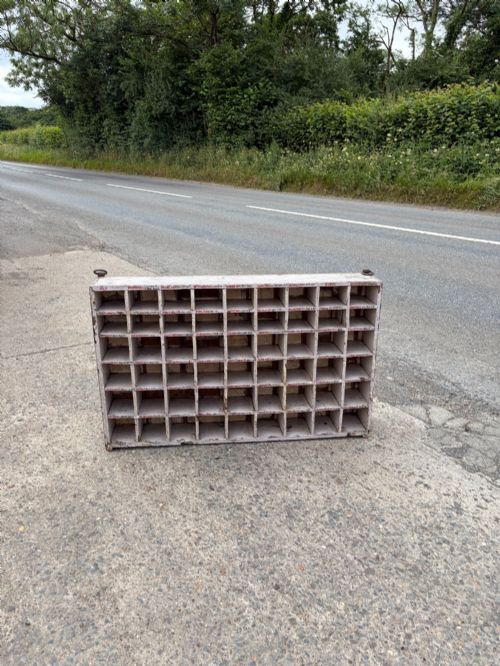


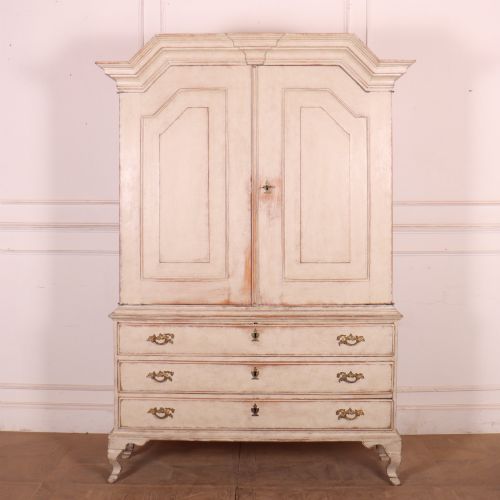

Distressed Painted Pine Cabinet
These distressed painted pine cabinet selections bring utilitarian storage and historic character together through soft surfaces and aged timber.
Distressed Painted Pine Cabinet
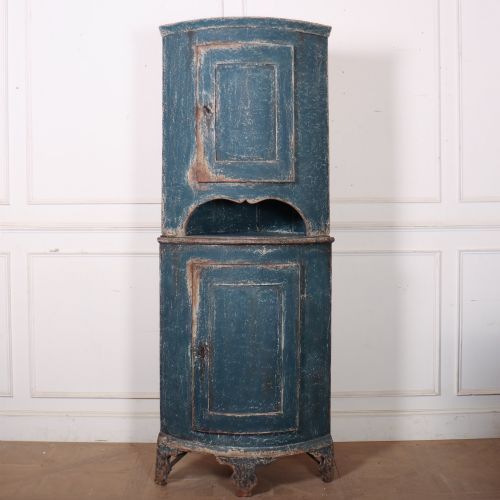
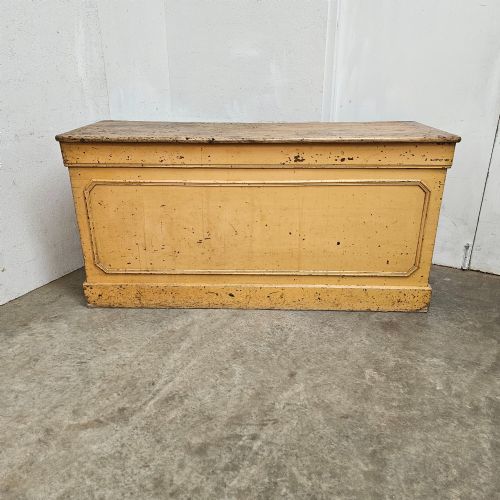
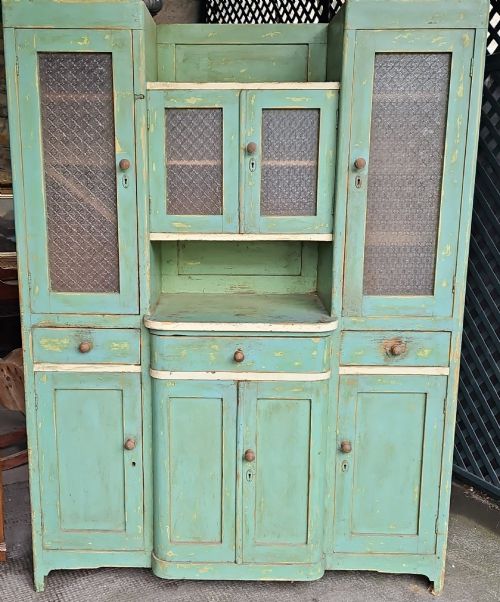
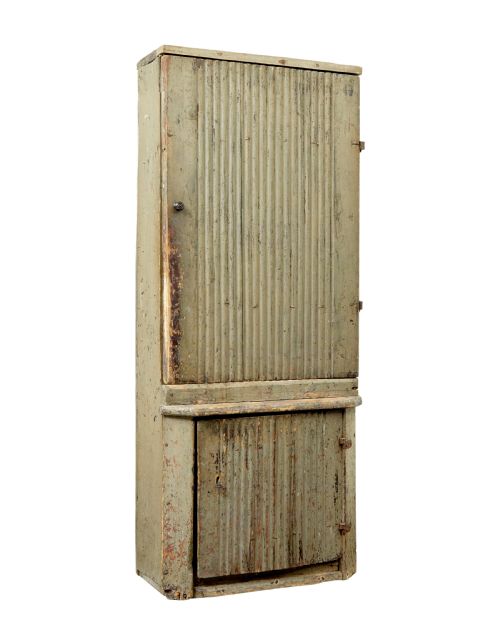
A distressed painted pine cabinet offers functional storage through domestic utility forms that range from compact bedside units to tall housekeepers cupboards. Buyers searching for a distressed painted pine cabinet encounter sturdy regional furniture shaped by everyday use across domestic spaces.
The selection centres heavily on nineteenth century items alongside eighteenth century pieces and later Edwardian or nineteen thirty examples. Common formats include kitchen dressers, linen cupboards, bookcases and corner cupboards originating from English, French, Scandinavian, Hungarian and Austrian workshops.
Country house and provincial aesthetics dominate the available forms, reflecting utilitarian needs in rural homes. Original surface treatments and aged timber define the visual weight of these cupboards and cabinets.
How they were made
Construction relies primarily on native pine timbers combined with iron and brass hardware for hinges, handles and latches. Carpenters built these carcasses to withstand heavy household demands, utilising straightforward joinery suited to regional workshops.
Surfaces received layers of paint, often applied in historic hues that show natural wear, chipping and patination over decades. Glazed doors incorporate glass panels where contents required visibility within kitchens, libraries or pantries.
Several cupboards retain stubborn regional paint hues that survived generations of enthusiastic domestic redecoration.
What varies in quality
Surface integrity separates work with authentic historic pigment layers from later redecoration. Original paint surfaces bearing genuine age-related wear display a depth of character that mechanical distress struggles to replicate.
Proportion and structural balance dictate the standing of individual cupboards within their respective styles. Cleanly executed mouldings and intact regional hardware elevate pieces beyond standard utilitarian storage.
The Distressed Painted Pine Cabinet Glossary
- Housekeeper's cupboard
- A large storage unit traditionally used for linen, dry goods and household provisions. These tall pieces often feature multiple doors enclosing shelves or hanging space.
- Confiturier
- A French jam cupboard designed for storing preserves and small kitchen items. These compact provincial cabinets usually stand on slender legs with a single door.
- Polychrome
- Decorated in multiple colours. This technique appears on continental European storage pieces where intricate surface pigments survive from earlier centuries.
- Breakfront
- A piece of furniture where the central section projects forward from the flanking wings. This architectural arrangement adds visual depth to large bookcases and dressers.
- Patination
- The surface alteration of timber and paint through age, light exposure and handling. It creates the distinct tactile quality valued in antique country furniture.
Distressed Painted Pine Cabinet: Frequently Asked Questions
Where were these painted pine cabinets made?
The pieces originate from various regions including England, France, Sweden, Hungary and Austria. Each country developed distinct vernacular forms suited to local domestic needs.
Provincial makers utilised native softwoods and local pigments, resulting in regional variations in mouldings, door configurations and colour palettes.
How do I care for original painted pine?
Preserving historic painted surfaces requires dusting with a dry, soft cloth and avoiding harsh chemical cleaning agents. Direct sunlight should be minimised to prevent further fading or flaking of old pigments.
Maintaining stable room humidity protects the underlying pine timber from excessive drying, warping or cracking over time.
What is the difference between a dresser and a cupboard?
Kitchen dressers generally combine lower closed storage cabinets with upper open shelving for display. Cupboards rely primarily on enclosed doors concealing internal shelves.
Both forms served utilitarian storage roles in historic kitchens, pantries and dining spaces across European rural homes.
Are these cabinets made from solid pine?
Construction relies on solid pine planks for the main structural carcass, shelving and doors. Iron or brass fittings provide functional support for hinges and opening mechanisms.
Secondary woods occasionally appear in internal drawer linings or backing boards, consistent with period workshop practices.