




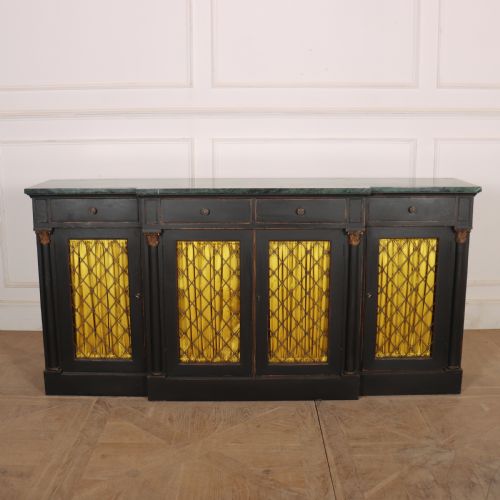


Antique Wire Mesh Cupboard
These antique wire mesh cupboard options range from Georgian satinwood to painted pine food cupboards, offering practical storage with period character.
Antique Wire Mesh Cupboard
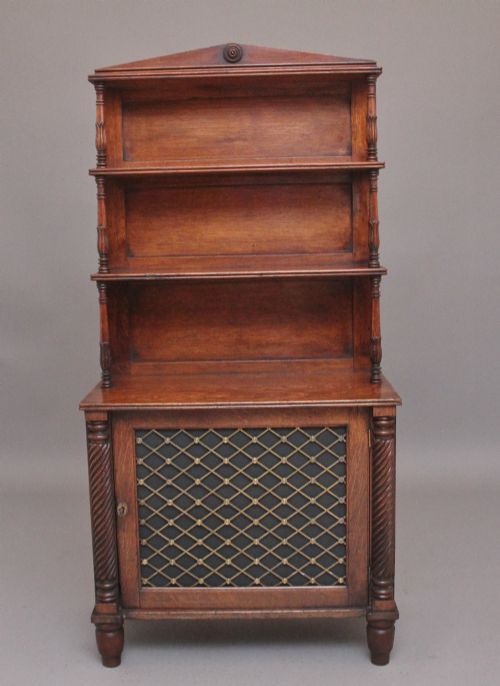
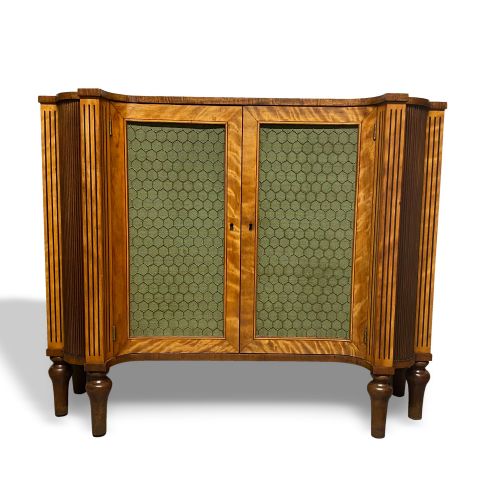
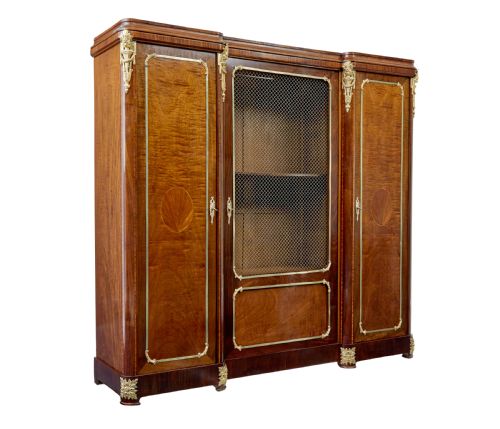
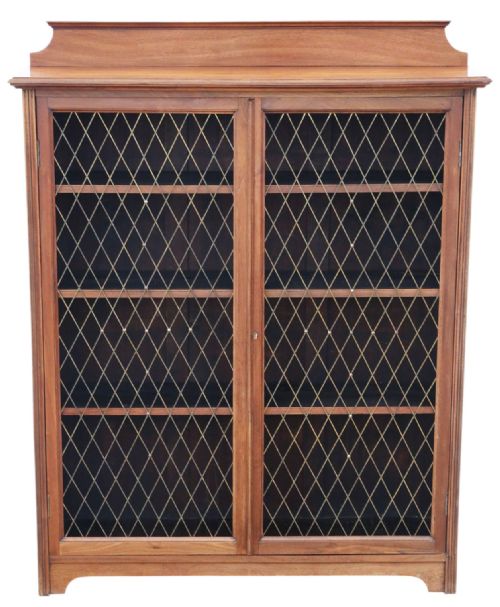
An antique wire mesh cupboard provides practical ventilation for food or display, taking forms such as food cupboards, side cabinets, and bookcases.
The pieces on this page span the eighteenth and nineteenth centuries, including Regency, Georgian, Neoclassical, Edwardian, and French Empire styles.
Buyers are most likely to encounter refined mahogany and satinwood cabinets alongside utilitarian painted pine pieces from country houses.
How they were made
Cabinet makers utilised dense hardwoods such as mahogany and walnut, alongside painted pine for more rustic food storage.
Finishing touches involved intricate satinwood veneers, brass accents, and fine fabric or silk linings behind the wire mesh doors.
Antique Wire Mesh Cupboard Retail Price Guide 2026
Typical asking prices for wire mesh cupboard among the pieces listed under this phrase on Sellingantiques today, from the lower quarter to the upper quarter. They describe what is for sale here now, not the wider market.
Early wire mesh allowed butter and cheese to breathe without attracting the local feline population.
What varies in quality
The distinction between standard storage and top-tier cabinet making rests on the selection of timbers like figured satinwood and mahogany.
Refinement in stylistic details, from neoclassical influence to intricate joinery, separates the grander side cabinets from simpler country house pieces.
The Antique Wire Mesh Cupboard Glossary
- Satinwood
- A lustrous timber native to India and the West Indies, prized for its golden sheen and smooth grain. It appears frequently on polished eighteenth-century furniture.
- Breakfront
- A cabinet or dresser whose central section projects forward from the flanking wings. This architectural arrangement creates depth and visual rhythm.
- Food cupboard
- A utilitarian cabinet fitted with wire mesh or perforated panels to allow air circulation while keeping pests away from provisions. These reflect domestic life before refrigeration.
- Neoclassical
- A style drawing inspiration from classical antiquity, characterised by symmetry, restraint, and straight lines. It dominated furniture design during the later eighteenth century.
Antique Wire Mesh Cupboard: Frequently Asked Questions
What is an antique wire mesh cupboard used for?
These cupboards originally served to store food safely while allowing air to circulate through the mesh panels. In modern homes, they function well for displaying tableware or linens.
The mesh doors keep contents ventilated while offering a clear view of the interior, making them practical for kitchens and dining rooms.
How do I date an antique cabinet?
Dating relies on identifying the primary wood used, the construction methods inside the drawers, and the overarching stylistic period. Georgian and Regency pieces show distinct classical motifs.
Secondary woods and nail types also help narrow down the decade of manufacture, distinguishing eighteenth-century work from later nineteenth-century interpretations.
Are painted pine cupboards authentic?
Painted pine was common for country house food cupboards and utilitarian furniture during the eighteenth and nineteenth centuries. Many retained their original painted surfaces.
These pieces prioritise practical domestic use over decorative hardwoods, offering a rustic aesthetic that suits traditional interiors.
How do I care for satinwood furniture?
Satinwood requires gentle dusting with a dry cloth and protection from direct sunlight to prevent the golden finish from fading. Avoid silicone-based polishes.
Maintaining stable room humidity preserves the delicate veneers and prevents the timber from splitting over time.