

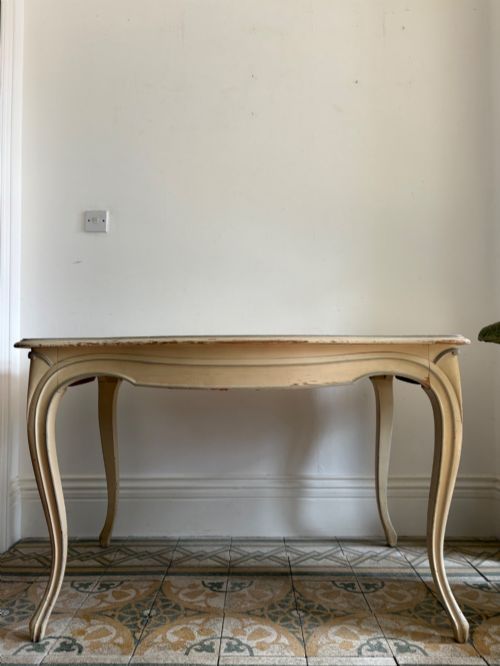
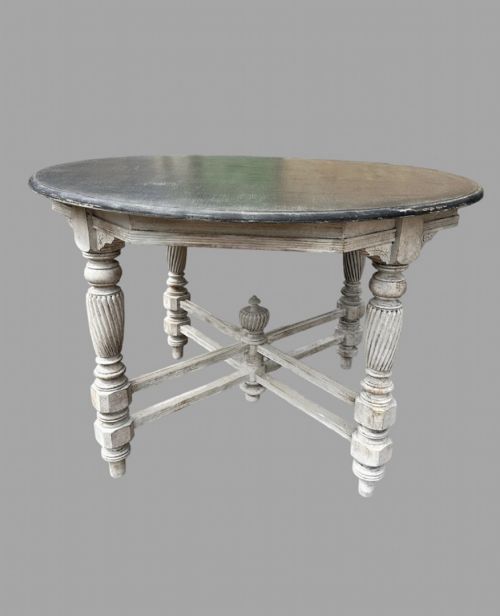
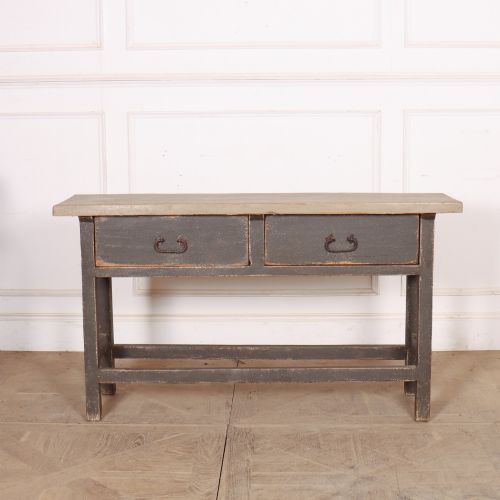
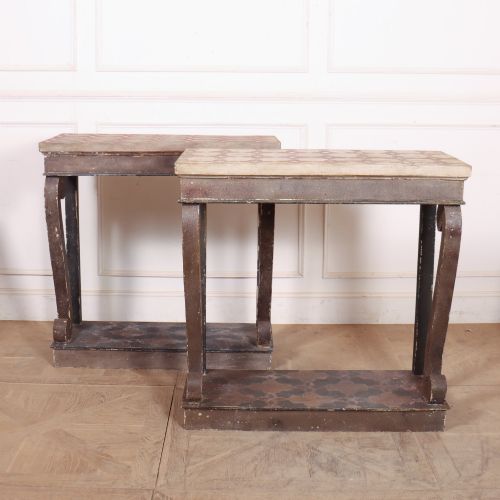


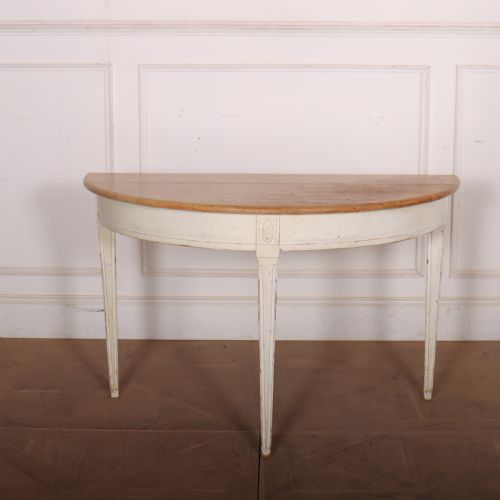
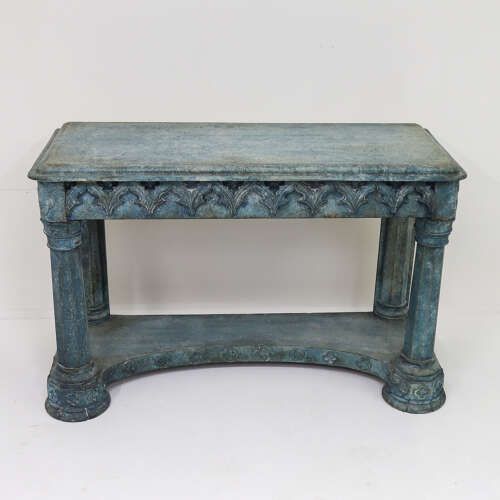


Distressed Paint Hall Table
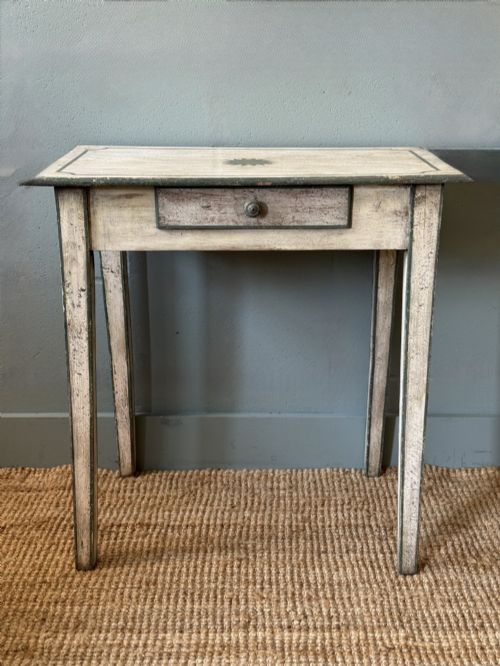
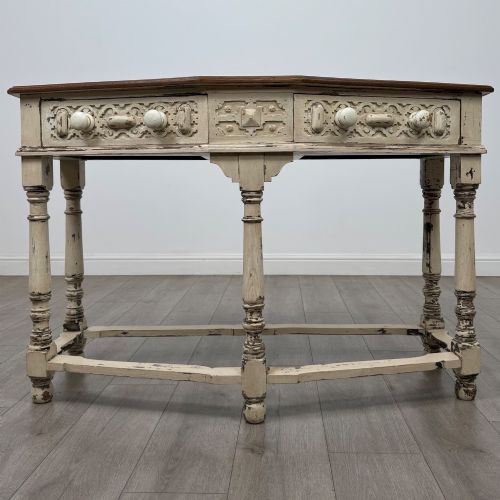
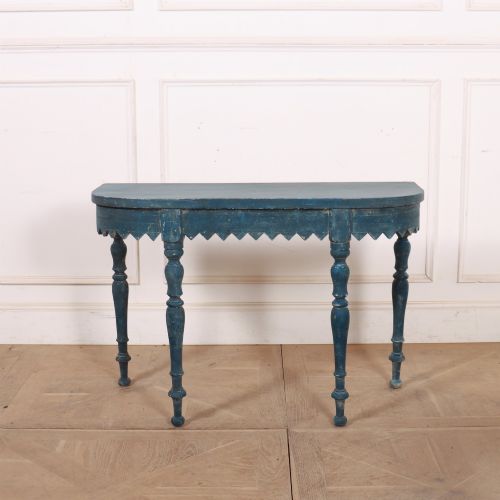
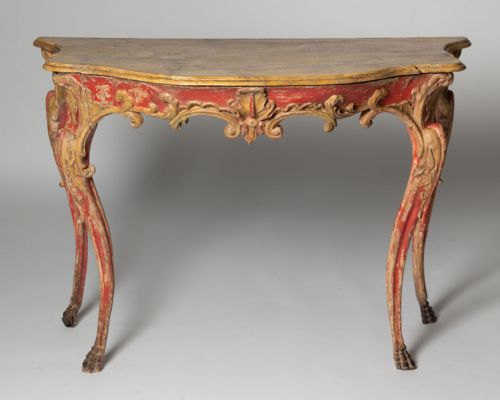
A distressed paint hall table brings character to an entrance, offering practical surface space paired with layered, aged pigment.
Distressed Paint Hall Table
A distressed paint hall table serves as a narrow surface for an entranceway, frequently taking the form of a console table, side table, or demi-lune console. These pieces combine functional proportions with aged surface treatments, originating from periods spanning the eighteenth century through to the Edwardian era and the nineteen-twenties.
The selection includes English country and provincial continental forms, such as French, Italian, and Swedish pieces. Buyers encounter various formats on this page, from serpentine and bow-front console tables to simple pine washstands and oak lamp tables adapted for hallway use.
Materials and Construction
Makers utilised solid timbers such as pine, oak, fruitwood, and general painted wood as the structural base for these tables. Surfaces received layers of paint, gesso, and occasional marble tops or inset suede, supported by materials like brass fittings.
Construction techniques involve traditional joinery suited to console tables, occasional tables, and dresser bases. Painted finishes were applied over decades, often developing natural wear and distressing through prolonged domestic use.
Listings feature pieces spanning the eighteenth century, nineteenth century, and the nineteen-twenties, constructed primarily from pine, oak, and painted wood.
Judging Quality and Character
Quality rests in the integrity of the underlying timber frame, whether pine, oak, or fruitwood, and the authenticity of the surface finish. Superior examples display harmonious proportions, such as narrow profiles or balanced demi-lune shapes, alongside integrated decorative elements like carving or marble tops.
The character of the paint layer distinguishes pieces, with genuine aged patination holding more visual interest than uniform modern applications. Construction details, from the stability of console legs to the retention of original brass or wood components, determine the overall standing of each table.
The Distressed Paint Hall Table Glossary
- Demi-lune
- A half-moon shaped table designed to sit flat against a wall. These console tables fit narrow hallways effectively.
- Gesso
- A plaster-based material applied to wood surfaces to prepare them for painting or gilding. It provides a smooth base that cracks and chips distinctively over time.
- Console table
- A table fixed against a wall, often supported by brackets or console legs. They provide narrow surface space ideal for entrance halls.
- Washstand
- A piece of furniture originally designed to hold a basin and jug, frequently constructed from pine. Many find new life as narrow hallway tables.
- Serpentine
- A gently curving front outline found on certain console and side tables. This shape softens the profile of hallway furniture.
Distressed Paint Hall Table: Frequently Asked Questions
Where should I place a hall table?
These narrow tables suit entranceways, corridors, and reception spaces where floor area is restricted. Their shallow depth allows them to sit against walls without obstructing movement.
Console and demi-lune formats fit particularly well beneath mirrors or beside doorways to hold daily essentials.
How do I care for a painted wood surface?
Maintain painted finishes by dusting gently with a dry or slightly damp cloth, avoiding harsh chemical cleaners that strip aged layers. Protect the surface from excess moisture and direct heat to preserve the integrity of the paint.
Wax can be applied sparingly to sealed painted wood to maintain the sheen and guard against minor scuffs.
What is the difference between a console table and a side table?
Console tables are traditionally designed to stand against a wall, sometimes relying on wall brackets or specific legs for support. Side tables are generally freestanding pieces finished on all sides.
In hallway settings, both terms frequently overlap depending on the proportions and placement of the specific piece.
How can I tell an older painted finish from a modern one?
Older painted finishes show natural craquelure, wear around edges, and subtle tonal variations accumulated over decades or centuries. The paint integrates closely with the underlying timber, such as pine or oak.
Modern distressing often appears uniform or formulaic, lacking the gradual softening seen on nineteenth-century and earlier examples.