

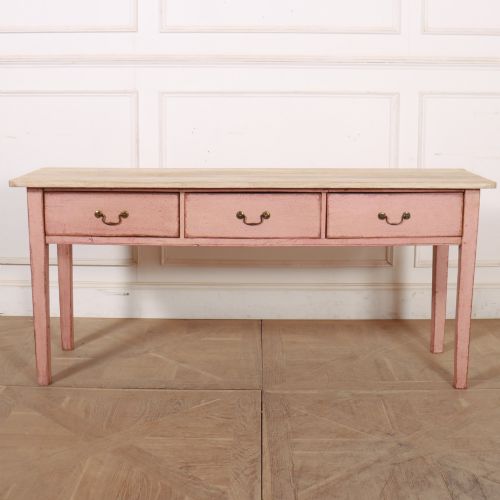

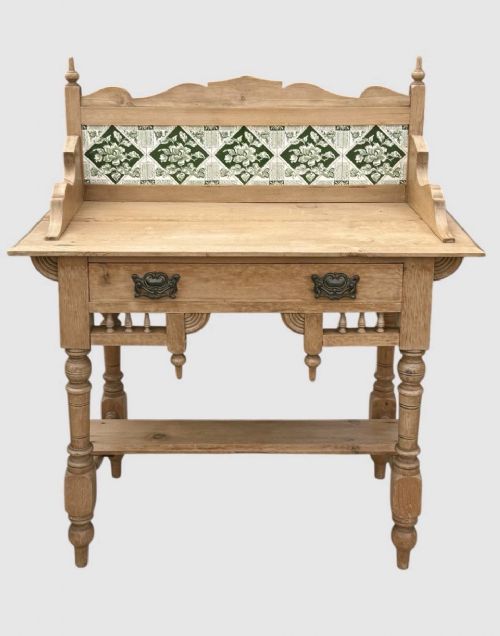

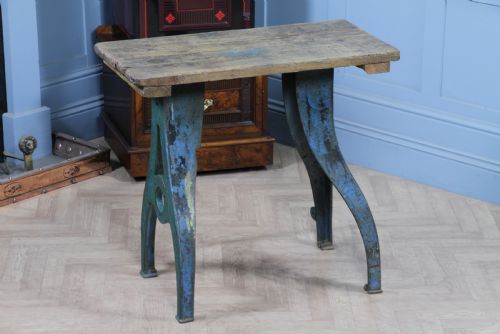


Vintage Pine Hallway Table
These vintage pine hallway table pieces offer honest utility and character, bringing warmth and practical surface space to narrow domestic spaces.
Vintage Pine Hallway Table
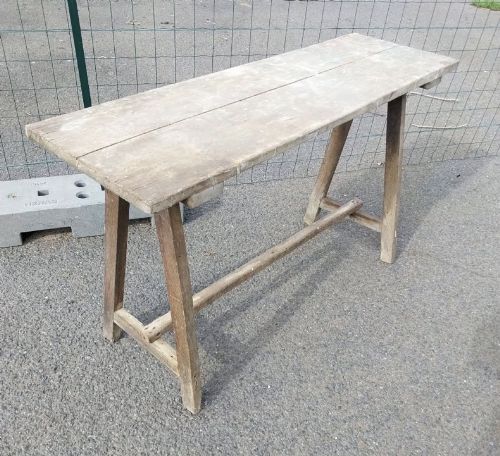
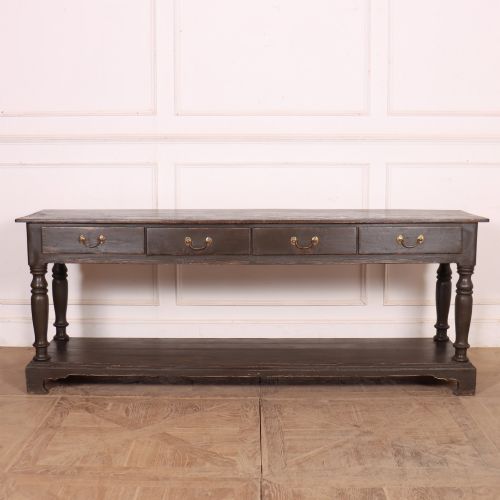
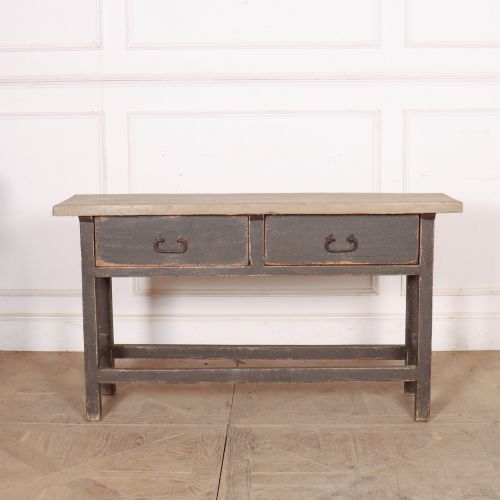
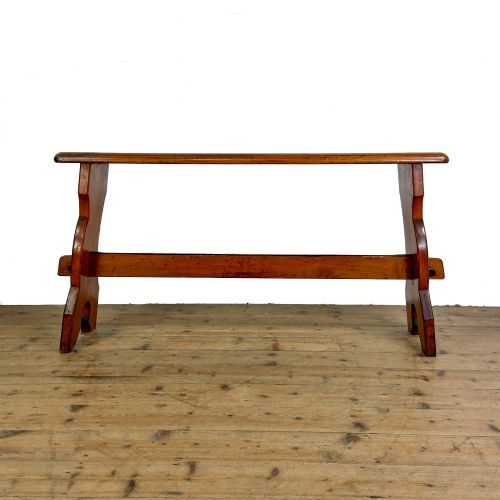
A vintage pine hallway table brings enduring practical surface space and straightforward utility to narrow domestic thoroughfares and entrances. Buyers searching for a vintage pine hallway table frequently encounter adaptable forms like side tables, console tables, washstands, and narrow servers originating from domestic and rural contexts.
The material evidence spans pieces from the eighteenth century through the nineteenth century, encompassing Georgian, Victorian, and rustic farmhouse aesthetics. English country, French provincial, and industrial styles appear alongside painted wood and bare timber finishes.
Makers and builders utilised accessible softwoods to construct sturdy furniture intended for daily household service rather than formal display. Consequently, surviving items display the honest signs of past domestic labour, patination, and practical adaptation.
Materials and construction methods
Carpenters built these items primarily from solid pine, sometimes supplemented by brass, iron, or ceramic hardware and occasionally topped with marble slabs. Surfaces often received coats of paint or weathered naturally through decades of everyday use in farmhouse kitchens, dairies, and hallways.
Construction techniques prioritised durability and straightforward joinery, employing turned legs, trestle supports, or up-cycled cast iron machine bases. Drawers feature simple hand-cut joints whilst tabletops display the dense grain patterns characteristic of mature softwood timber.
Vintage Pine Hallway Table Retail Price Guide 2026
Typical asking prices for vintage pine hallway table among the pieces listed under this phrase on Sellingantiques today, from the lower quarter to the upper quarter. They describe what is for sale here now, not the wider market.
Listings feature pine and painted wood constructions alongside industrial iron and marble elements across nineteenth-century and earlier periods.
Distinctions in quality and execution
Quality separates through the proportion of the timber, the integrity of the original construction, and the honesty of the surface patination. Pieces retaining their early paint surfaces or well-proportioned architectural mouldings demonstrate superior regional craftsmanship compared to heavily altered utilitarian items.
The refinement of the supporting structure dictates the overall elegance of the form, distinguishing simple domestic workbenches from sophisticated urban hallway furniture. Balanced proportions and sturdy leg assemblies ensure that the piece remains stable and functional within a modern interior.
The Vintage Pine Hallway Table Glossary
- Console Table
- A narrow table designed to stand against a wall, frequently utilised in hallways and entrance spaces where floor depth is restricted. These forms often feature slender legs and shallow drawers.
- Dresser Base
- A heavy, functional lower cabinet structure featuring surface tops and storage cupboards or drawers. Originally utilised in kitchens and pantries, these sturdy bases translate effectively into large hallway servers.
- Washstand
- A dedicated domestic washing station typically fitted with a timber or marble top to accommodate basins. In modern settings, these compact nineteenth-century pieces serve well as narrow hallway storage.
- Patina
- The surface sheen and colour acquired by timber and paint over decades of handling and exposure to light. A desirable patination reflects genuine age and continuous domestic use.
Vintage Pine Hallway Table: Frequently Asked Questions
How do I choose the right size?
Measure your hallway width carefully to ensure adequate clearance for foot traffic past the furniture surface.
Consider the depth of console tables and sideboards so they do not obstruct doors or narrow passageways.
Are these tables sturdy enough for daily use?
Pine construction offers dependable everyday strength, provided the joints remain tight and stable.
Most examples were built for demanding environments like dairies and farmhouses, ensuring robust daily service.
How do I care for painted pine surfaces?
Clean painted or bare timber gently with a dry or barely damp soft cloth to preserve the historic finish.
Avoid harsh chemical cleaning products that might strip the original patination or vintage paint layers.
What periods do these tables come from?
The available selection spans eighteenth-century pieces through nineteenth-century Victorian and Georgian examples.
Stylistic markers such as turned legs and drawer construction help differentiate these distinct historical eras.