






Country House Pine Furniture
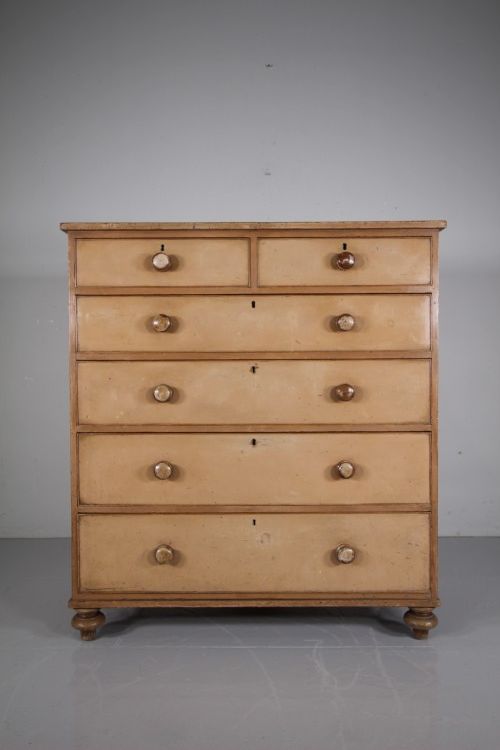
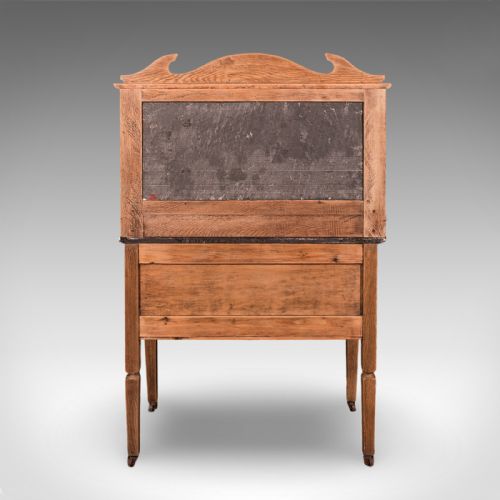
Country house pine furniture brings practical utility and honest proportions into domestic rooms through robust chests, settles and tables.
Country House Pine Furniture
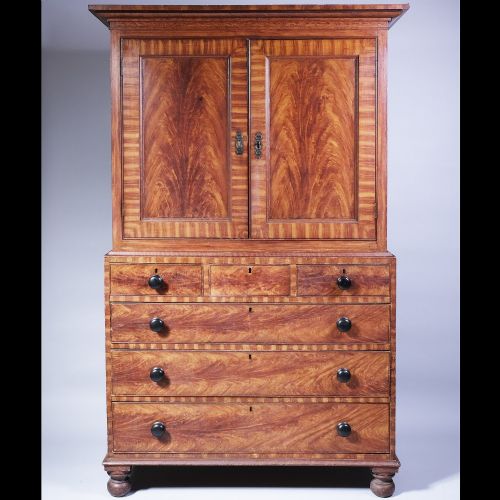
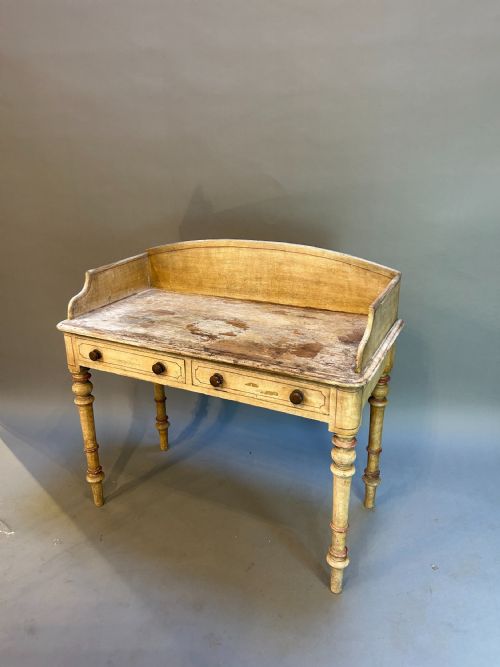
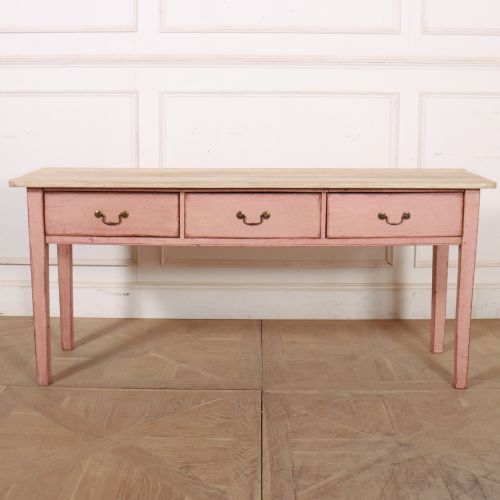
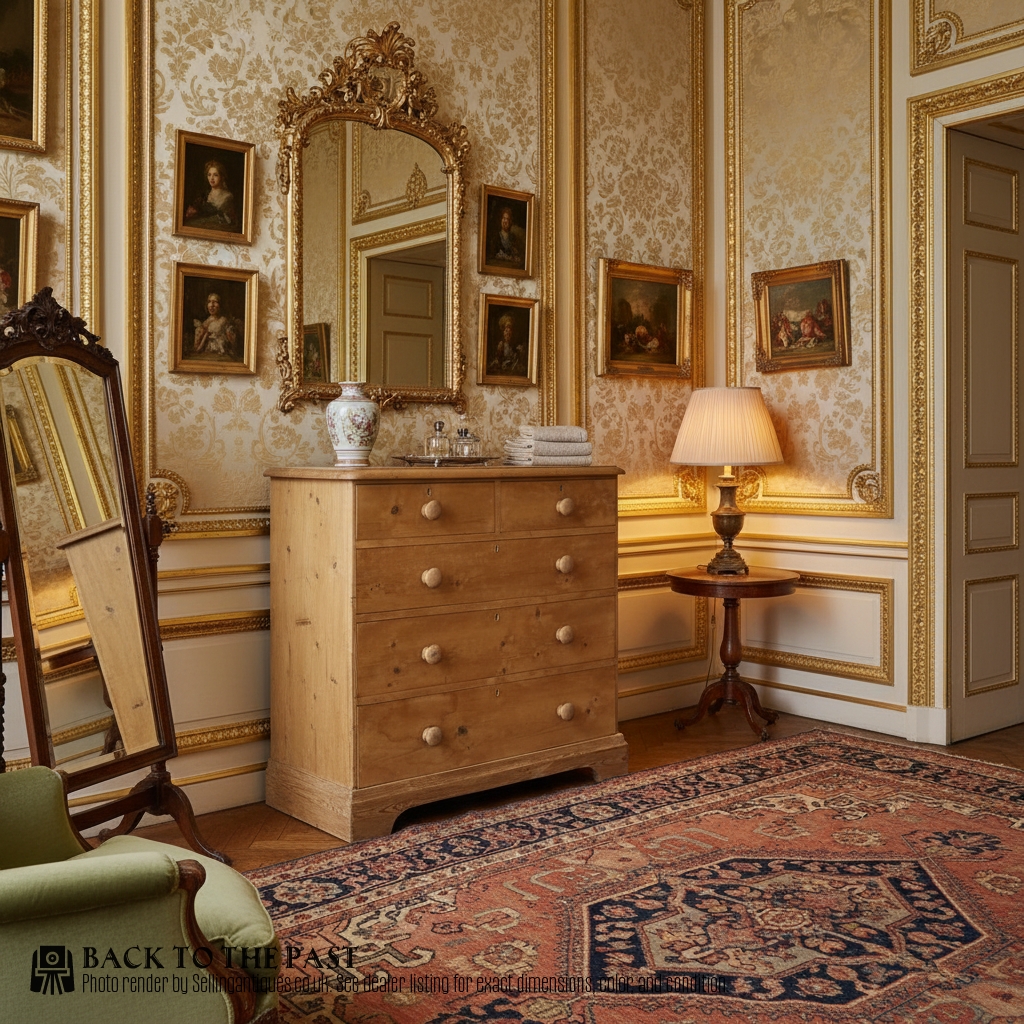
Country house pine furniture encompasses practical domestic storage, seating and tables shaped by rural traditions across England, Wales, Ireland and Scandinavia. These pieces range from substantial housekeepers cupboards and linen presses to simple washstands, benches and tavern tables designed for daily utility.
Buyers seeking country house pine furniture will frequently encounter 19th-century and Victorian examples alongside occasional Georgian and Edwardian items. The forms emphasise utility, combining native softwood bodies with functional iron or brass hardware and occasional hardwood framing.
The aesthetic bridges utilitarian vernacular forms and decorative painted finishes, spanning English country styles to Scandinavian rustic traditions. Pieces often show the marks of heavy domestic service, from scrubbed wooden tops to accumulated layers of historic paint.
Materials and construction
Makers relied primarily on pine supported by secondary timbers such as oak, elm, and mahogany for structural integrity. Boards were joined using traditional methods suited to domestic workshops, yielding robust carcases for cupboards, chests of drawers, and settles.
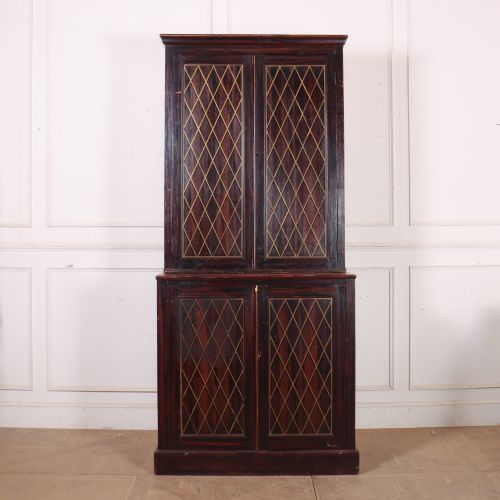
Surfaces frequently received layered decorative treatments including scumble paint, traditional pigments, and wax finishes. Iron and brass hardware provided durable fastenings for doors and drawers across hardworking kitchen dressers and linen presses.
Listings feature pine alongside painted wood, oak, elm, brass, and iron across eighteenth, nineteenth, and early twentieth-century periods.
Judging quality and integrity
Quality rests in the survival of original surfaces, where undisturbed scumble glaze or early painted pigment retains historical character. Pieces displaying honest patination from decades of domestic use outrank those with stripped timber surfaces or unsympathetic modern repainting.
Proportion and structural honesty separate superior regional workshop output from utilitarian factory production. Strong joints, well-balanced paneling, and intact original brass or iron fittings elevate pieces such as dressers, settling benches, and hall cupboards.
Johnston’s of London
The Country House Pine Furniture Glossary
- Scumble paint
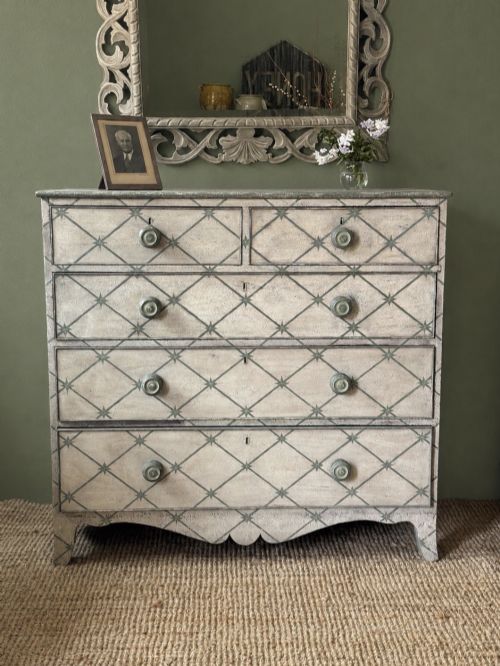
- A translucent glaze applied over a lighter base colour and manipulated with combs or rags to imitate grained hardwood. This decorative technique protects the softwood underneath while adding visual depth to country furniture.
- Housekeepers cupboard
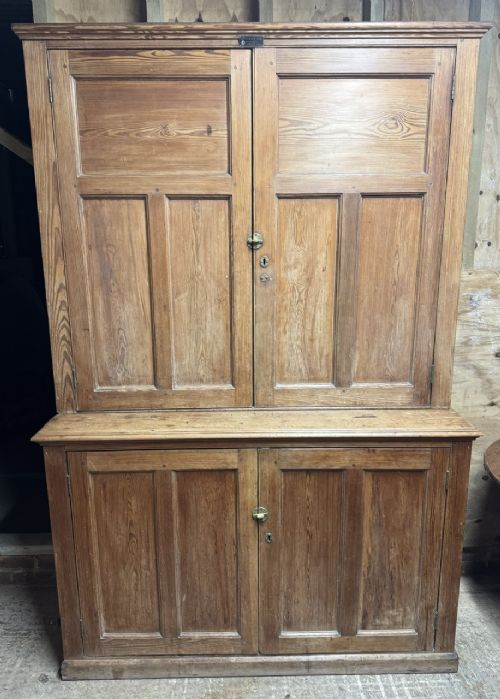
- A large storage cabinet traditionally used in large domestic settings for linen, dry goods, or tableware. These pieces often feature deep upper cupboards and lower banks of drawers.
- Settle
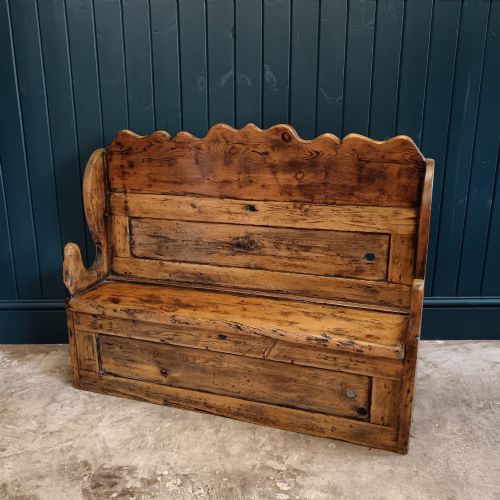
- A wooden wooden bench featuring high panelled backs and enclosed sides designed to block draughts in rural hallways and kitchens. Many examples include integrated box storage beneath the seat.
- Linen press
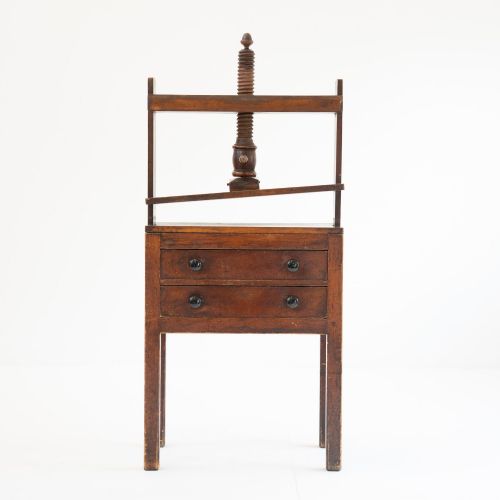
- A tall storage piece combining upper sliding trays for folded textiles with lower drawers for bulkier items. Victorian examples frequently pair pine carcases with mahogany details.
- Cricket table
- A small, lightweight occasional table supported by three splayed legs designed for stability on uneven flagstone floors. These versatile items served various domestic tasks in country settings.
Country House Pine Furniture: Frequently Asked Questions
How do I care for painted pine?
Dust surfaces regularly with a dry cloth and avoid harsh chemical cleaners that strip historic pigments.
Maintain stable humidity levels in the room to prevent wood movement and protect delicate scumble finishes.
Are these pieces suitable for modern kitchens?
Pine dressers, tables and cupboards integrate easily into contemporary spaces by offering generous storage and workspace.
Their robust construction handles daily domestic use just as it did in nineteenth-century country houses.
How can I identify original paint?
Examine surfaces under magnification to look for craquelure, natural wear patterns, and microscopic traces of earlier layers.
Original decorative schemes usually show uniform ageing and consistent integration with the underlying pine timber.
What is a knock-down wardrobe?
Knock-down wardrobes were constructed with pegged joints or bolts that allowed the entire frame to be disassembled for transport.
This practical design enabled large pieces of furniture to move easily between rooms and remote country locations.