


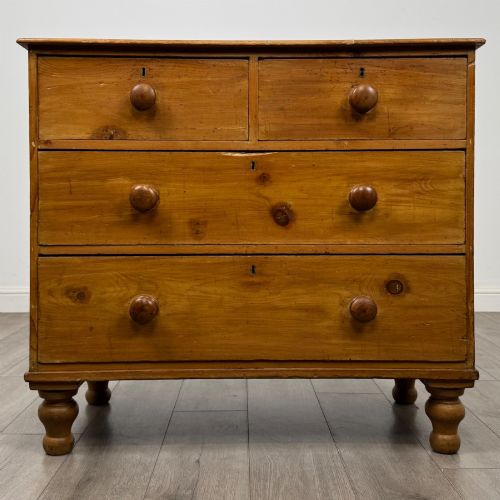
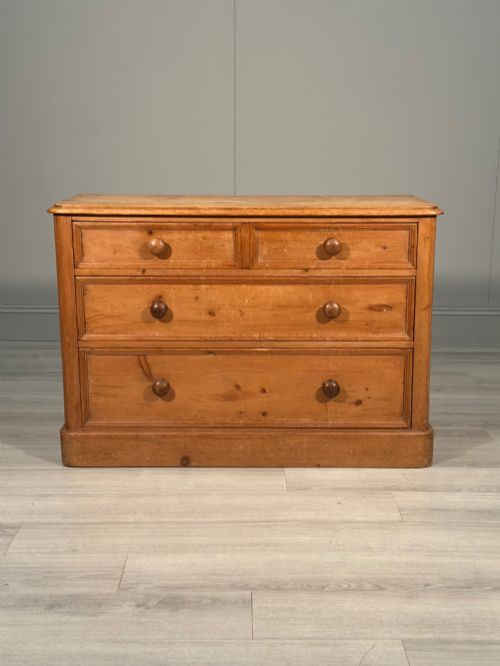
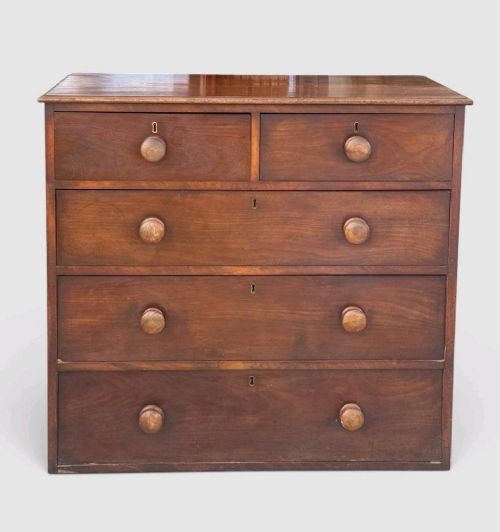
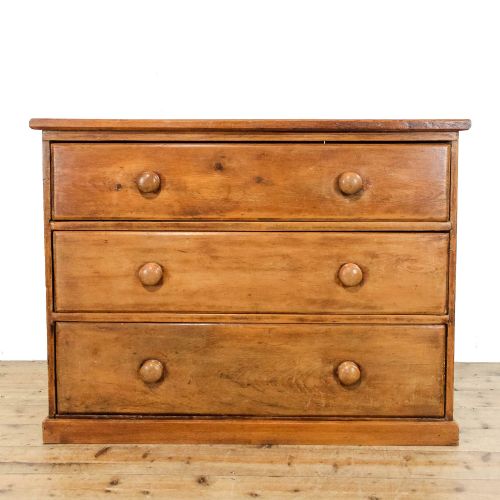
Traditional Pine Tallboy
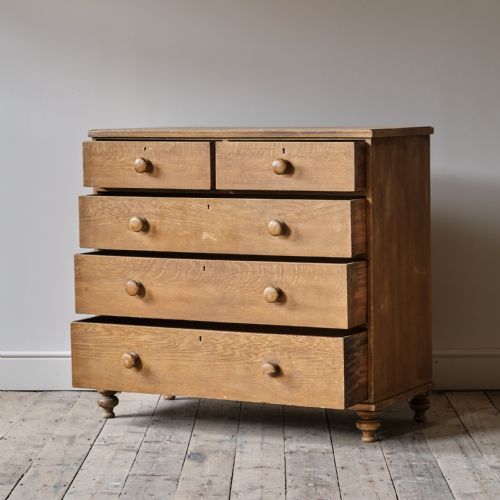
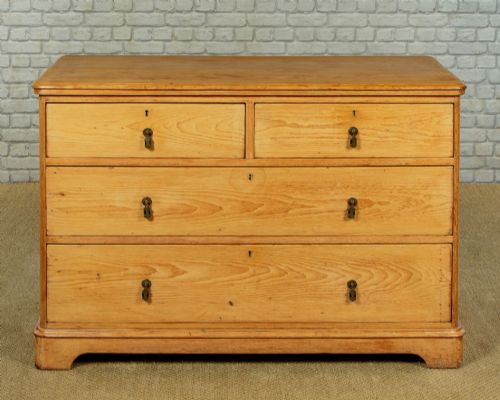
These traditional pine tallboy examples are practical storage chests offering generous vertical capacity and honest timber character for everyday rooms.
Traditional Pine Tallboy
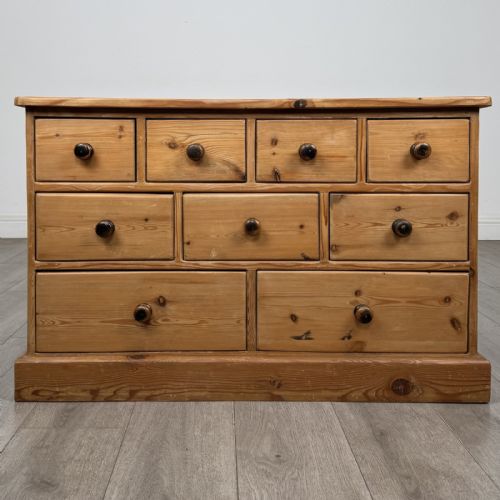
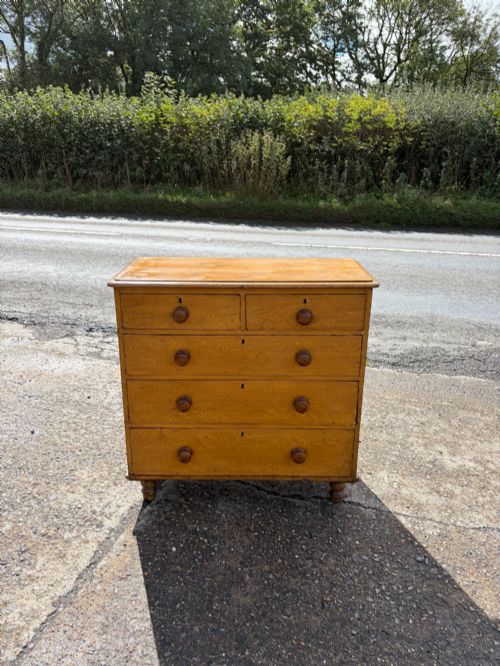
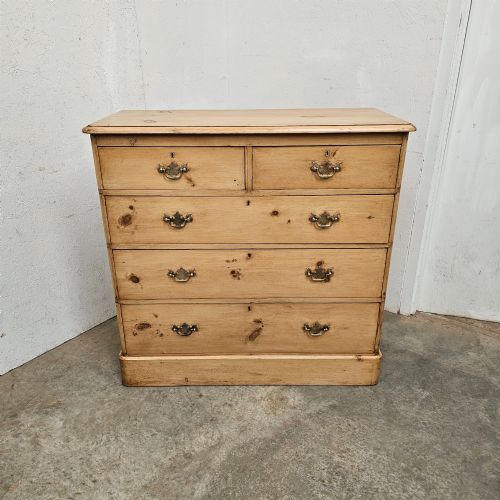
When buyers search for a traditional pine tallboy, they seek upright storage furniture built from soft timber with deep historical roots. The pieces appearing in these listings span the Georgian, Victorian, and Edwardian eras, encompassing both simple country workshops and more formal urban cabinetmaking.
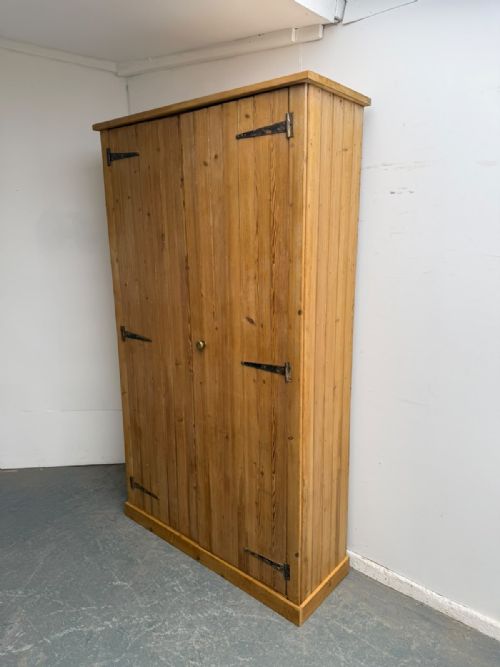
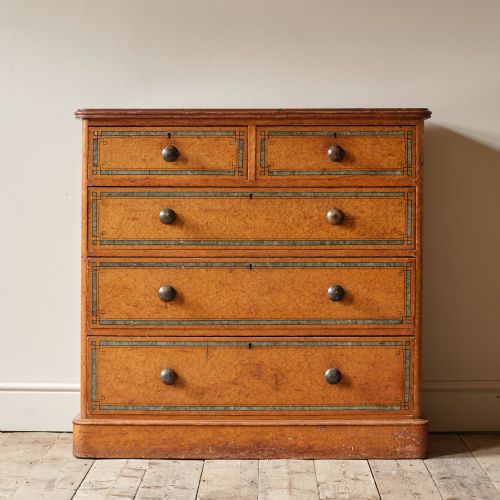
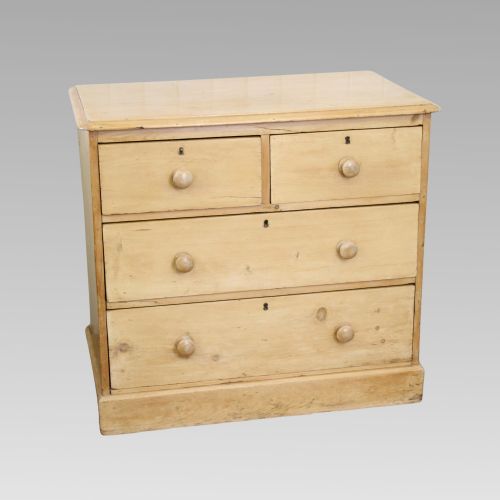
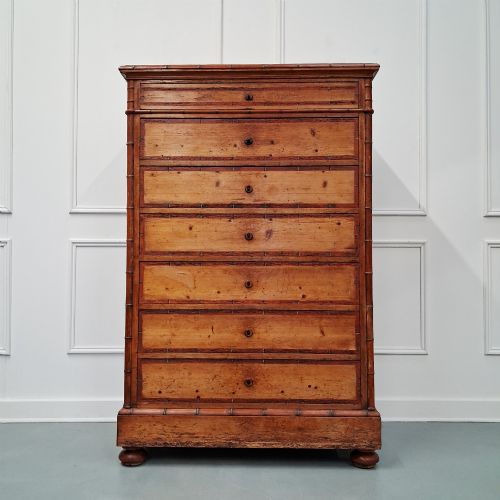
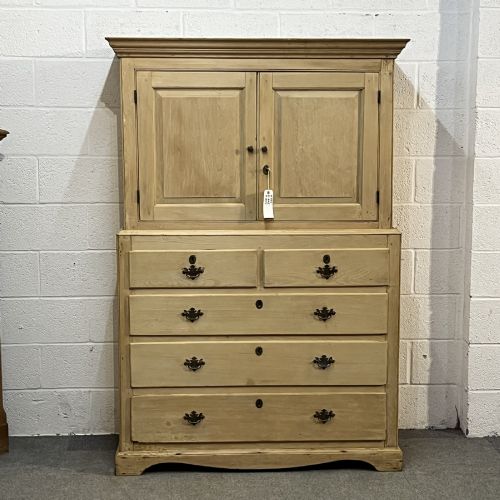
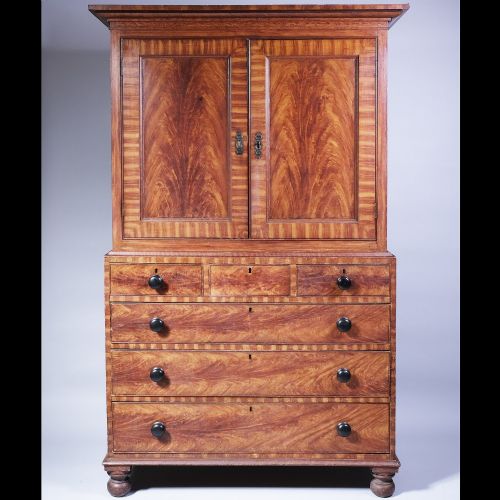
The physical forms on this page include tall chests of drawers, linen presses, and knockdown wardrobes. Many feature multiple graduated drawers, often topped with gallery backs or arranged in configurations designed for maximum utility.
Originating largely from the nineteenth century, these items arrive either stripped to the bare timber for a waxed finish or retaining traces of original paint. Buyers encounter both utilitarian country pieces and grander panelled formats within the selection.
How they were made
Construction relies predominantly on solid pine, shaped and joined using traditional techniques appropriate to the nineteenth century and earlier. Surfaces are finished either with clear wax to highlight the grain or left in original paint schemes.
Hardware details incorporate brass and bone elements, securing doors and drawer fronts on pieces such as linen presses and wardrobes. Knockdown wardrobe designs utilise modular joints that allowed large furniture to be dismantled for transport.
Traditional Pine Tallboy Retail Price Guide 2026
Typical asking prices for traditional pine tallboy among the pieces listed under this phrase on Sellingantiques today, from the lower quarter to the upper quarter. They describe what is for sale here now, not the wider market.
Some wardrobes dismantle completely because previous owners needed to squeeze them up impossibly narrow Victorian stairs.
What varies in quality
Quality rests on the integrity of the timber, the presence of original surface treatments like historic paint, and the structural complexity of the piece. A simple stripped surface differs fundamentally from a well-preserved original painted finish.
The Traditional Pine Tallboy Glossary
- Pine
- A softwood commonly used in British vernacular furniture for its workability and availability. It accepts wax, paint, and stripping exceptionally well.
- Gallery back
- A raised timber barrier along the top rear edge of a chest of drawers. It prevents items placed on top from sliding off.
- Linen press
- A tall piece of furniture combining upper cupboard storage for folded textiles with lower drawers. Georgian and Victorian examples are typical.
- Knockdown wardrobe
- A large wardrobe designed to dismantle into panels and sections using peg or bolt joints. This allowed easy movement between rooms and properties.
Traditional Pine Tallboy: Frequently Asked Questions
How do I date a pine chest?
Dating relies on construction methods, timber preparation, and hardware styles associated with periods like the Georgian and Victorian eras.
Examining drawer linings and backboards helps distinguish mid-nineteenth-century pieces from later Edwardian reproductions.
What is a linen press used for?
Historically, a linen press stored folded sheets and garments within sliding trays or shelves behind upper doors.
Today, buyers utilise the deep internal space for modern wardrobes, linens, or media storage.
Should I choose waxed or painted pine?
Waxed pine highlights the natural grain and knots of the timber after stripping, offering a warm domestic finish.
Original paint surfaces preserve the historical aesthetic of the piece and provide a distinct coloured character.
What does knockdown construction mean?
Knockdown furniture uses modular joints and bolts rather than permanent glue, allowing large wardrobes to be assembled on site.
This practical design was essential for moving bulky bedroom furniture through narrow period staircases.