






Distressed Cream Painted Mirror
A distressed cream painted mirror brings aged European elegance and historic charm into a room.
Distressed Cream Painted Mirror
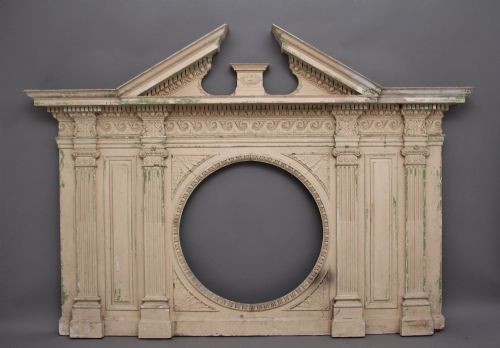
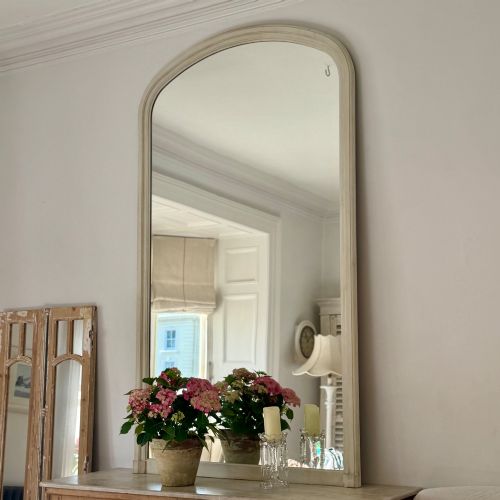
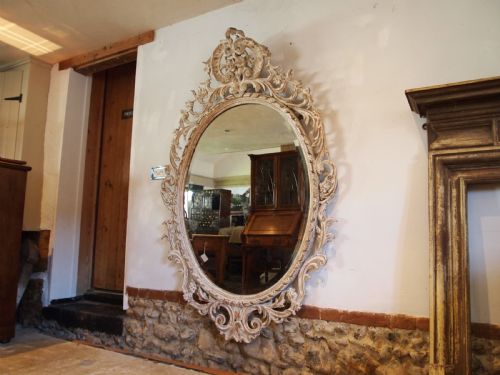
When searching for a distressed cream painted mirror, buyers encounter a selection dominated by nineteenth-century wall and overmantel pieces alongside eighteenth-century examples. French and English workshops produced the majority of these items, often incorporating arched tops, column frames, or shaped crests.
The aesthetic spans French provincial, Italian rococo, and Victorian styles, reflecting a long tradition of decorative interior furnishings. Many pieces show the passage of time through worn surfaces, crackled paint, and exposed gesso layers beneath the cream finish.
Materials and Construction
Makers built the foundational frames using solid timber, frequently pine or carved wood, before applying layers of gesso to smooth the surface for ornamentation. Artisans then applied paint and, in some instances, gold leaf accents over the prepared wooden base.
Reflecting the period techniques, the glass plates within these frames vary from original silvered mirrors to later replacements, often secured within heavy wooden structures designed to withstand the weight of substantial wall hangings.
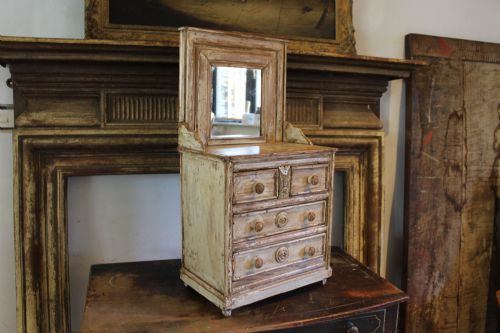
Even miniature apprentice chests of drawers occasionally sneak into the mirror selection, proving that small furniture holds big charm.
Distinguishing Quality
The distinction between standard and exceptional pieces rests upon the crispness of the original carved wood details and the depth of the gesso mouldings. Elaborate motifs, such as French rococo scrollwork or column framing, demand superior artisan skill compared to simpler fretwork or plain surrounds.
The character of the paint surface and the preservation of the original mirror glass significantly influence the overall integrity of the piece. Authentic age-related wear on a cream painted finish holds greater appeal when the underlying carving remains sharp and structurally sound.
The Distressed Cream Painted Mirror Glossary
- Gesso
- A plaster-like mixture applied to wood frames to create a smooth surface for painting or gilding. This material takes fine carved detail before the finish is applied.
- Overmantel
- A large mirror designed to hang directly above a fireplace mantelpiece. These architectural pieces often feature wide proportions to match the width of the hearth.
- Trumeau
- A decorative wall mirror combined with a painted panel or artwork above the glass. Originating in French interiors, these pieces served as permanent wall decoration.
- Pier Glass
- A tall mirror specifically designed to hang on the narrow wall space between two windows. They often sat above console tables or small pieces of furniture.
- Louis Philippe
- A nineteenth-century French style characterised by simple, elegant curves and gentle rounded top corners. This design avoids excessive ornamentation in favour of restrained grace.
Distressed Cream Painted Mirror: Frequently Asked Questions
Where should I hang an overmantel mirror?
These large mirrors traditionally anchor the space above a fireplace mantel, reflecting light and drawing the eye upward. They also function effectively on main living room walls to create a sense of expanded space.
Ensure the wall anchors securely support the substantial weight of carved wood and gesso frames. Positioning them opposite a window maximises natural light distribution throughout the room.
How do I care for antique painted wood?
Dust the carved frames gently with a dry, soft cloth to prevent particulate accumulation in the crevices of the gesso. Avoid modern chemical polishes or excessive moisture, which can damage aged painted surfaces.
Maintain stable indoor humidity levels to protect the underlying wood and prevent the paint from further flaking. Gentle handling preserves the historic patina developed over centuries.
What defines a French provincial style?
French provincial design reflects the rustic elegance of country houses outside Paris, combining practical forms with carved decorative motifs. These pieces prioritize softer lines and natural asymmetry compared to formal court furniture.
Cream painted finishes on these items often display intentional weathering that mimics generations of domestic use. The style suits both traditional and contemporary interior settings.
Are these mirror plates original?
Many nineteenth-century and eighteenth-century frames retain their original mercury or silvered glass plates, which often exhibit characteristic foxing and minor imperfections. These age spots verify the antiquity of the glass.
Some pieces received replacement mirror plates during their history to maintain a clearer reflection. Examining the silvering from the reverse side helps determine the age of the glass relative to the frame.