


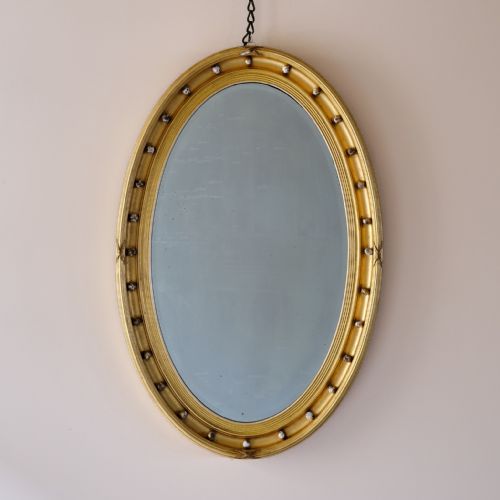
Edwardian French Style Mirror
When an edwardian french style mirror enters a room, it brings the grand decorative curves of continental taste into the lighter spaces of the early twentieth century.
Edwardian French Style Mirror
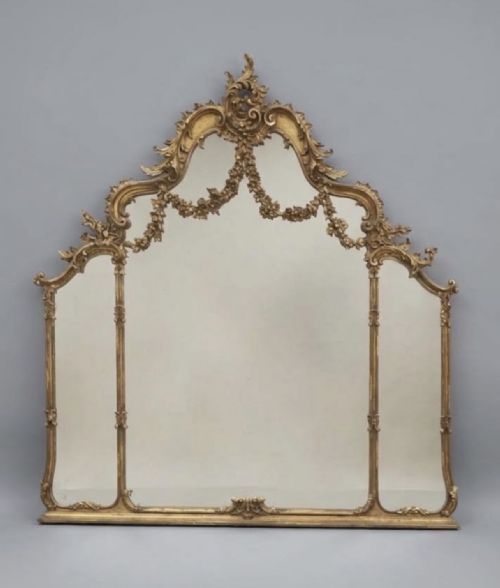
An edwardian french style mirror represents a distinct blend of continental continental ornamentation and domestic British placement, drawing on earlier design traditions. These objects range from compact wall-hanging pieces to commanding overmantel mirrors designed to sit above a fireplace.
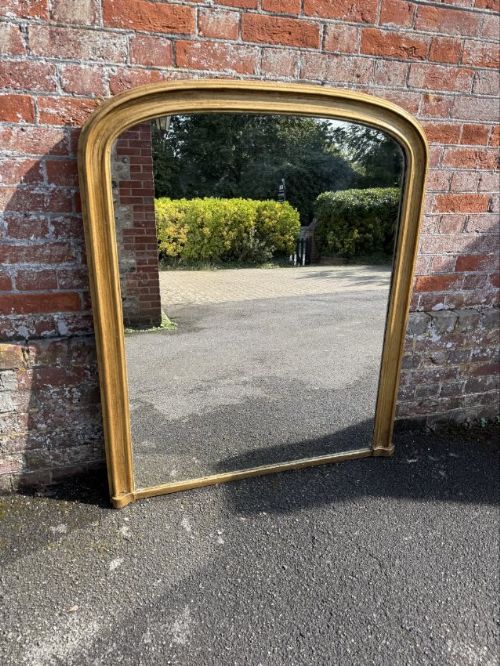
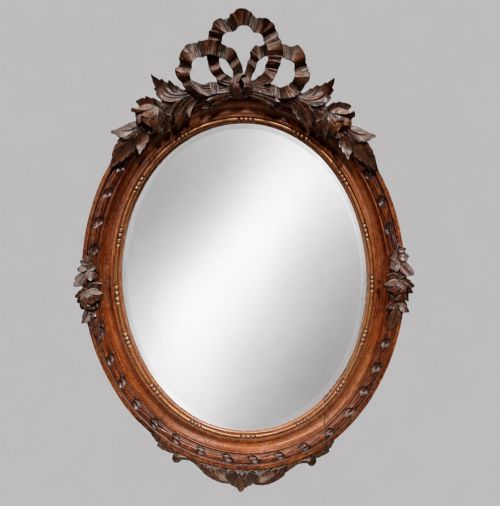
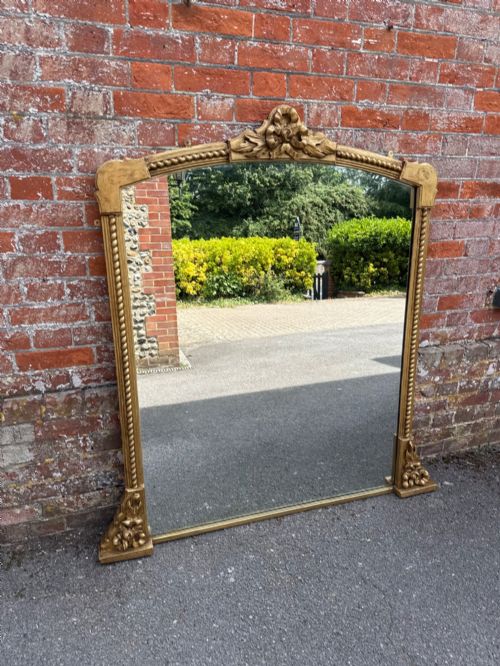
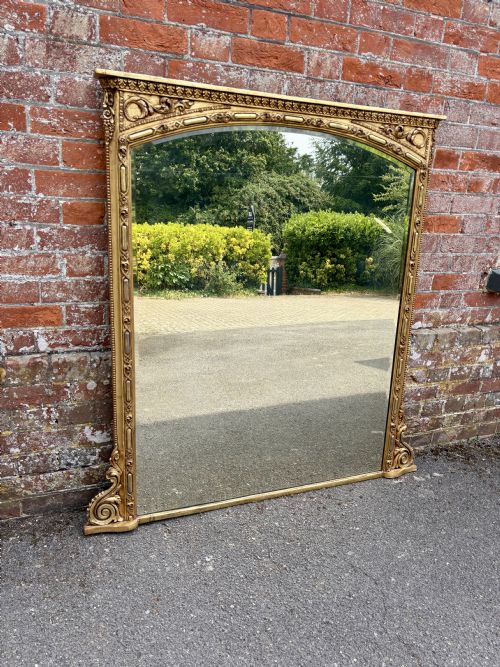
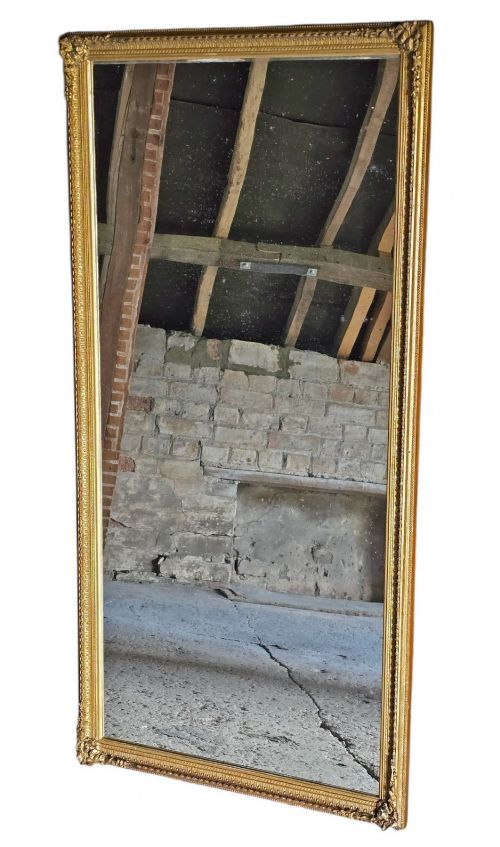
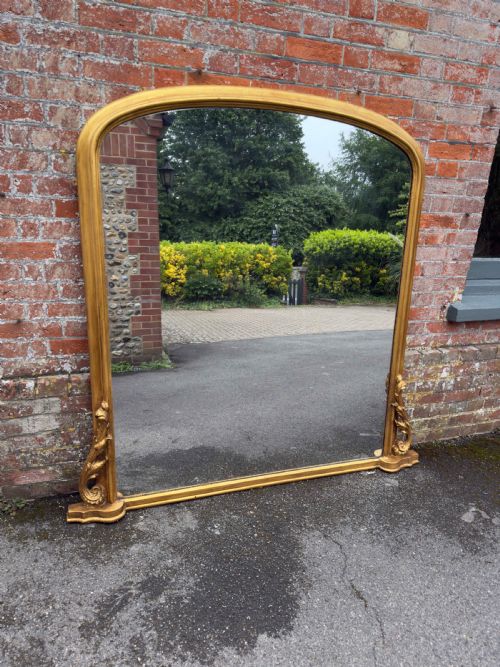
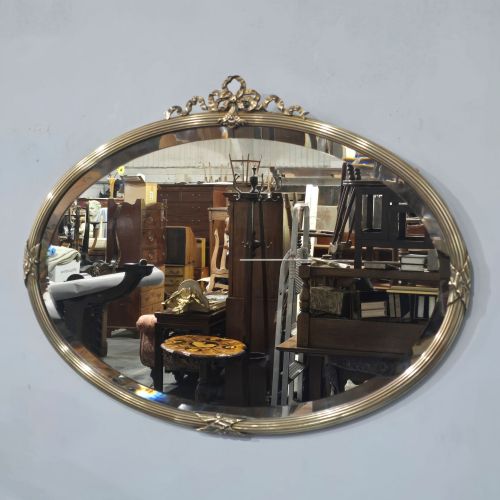
The versions most commonly found here include large carved wood and gesso arched top gilt overmantels alongside smaller oval or round wall mirrors. Pieces span periods from the nineteenth century through the early decades of the twentieth century, often showing Rococo Revival or Louis XVI influences.
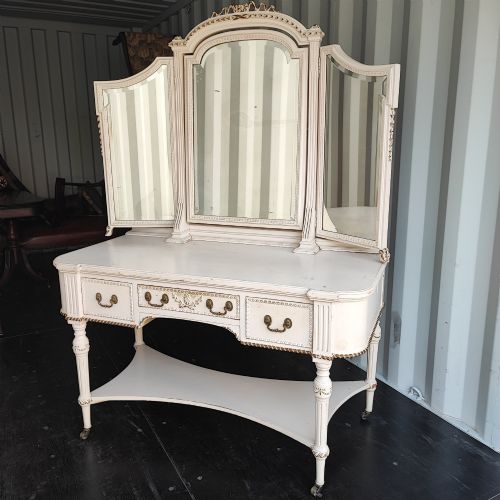
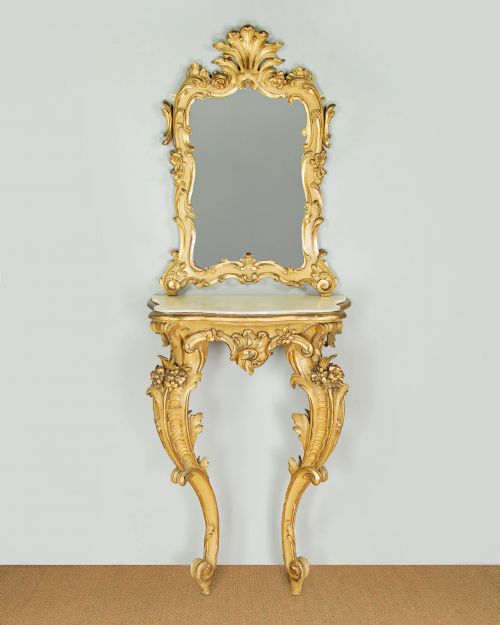
Makers utilised various formats, incorporating console tables, dressing tables, and triple-folding mirror frames into the domestic repertoire. The overarching aesthetic relies on French Chateau styling translated through British manufacturing practices of the Victorian and Edwardian eras.
How they were made
Makers constructed the primary framework from timber, typically carving directly into wood or building up relief ornament using gesso and composition material over a wooden base. This combination allowed workshops to achieve crisp floral, scrolling, or laurel leaf motifs across complex arched and shaped tops.
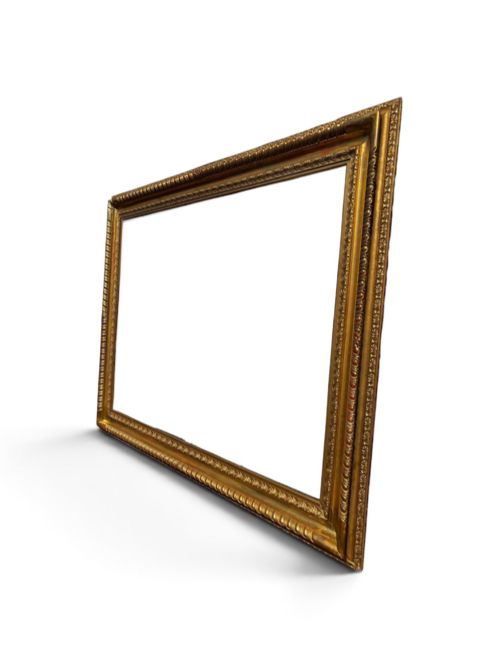
Surface decoration frequently involved the application of gold leaf or gilt paint to achieve a reflective, luxurious finish. Glass plates were cut to fit specific frames, whether for large multi-panel overmantels or tall dressing mirrors.
A surprise maples of London and Paris triple dressing table brings metropolitan tailors' flair directly into the Edwardian bedroom.
What varies in quality
The distinction between tiers of production lies in the depth and crispness of the carved wood and gesso ornamentation. Master carvers and skilled giders produced deeply undercut details and sharp foliage, whereas lower tier examples relied on heavy composition mouldings with softer definition.
Subtlety of gilding and the weight of the underlying timber frame dictate the structural integrity and visual presence of the object. Heavier overmantels required substantial framing to support large glass plates securely without twisting over time.
The Edwardian French Style Mirror Glossary
- Overmantle Mirror
- A large mirror specifically proportioned to hang on the wall directly above a fireplace mantelpiece. These pieces often feature wide landscape formats and ornate arched crests.
- Gesso
- A plaster-like mixture applied to wooden frames and carved or moulded into decorative relief details before gilding. It provides a smooth base for gold leaf and paint.
- Giltwood
- Timber that has been coated with gold leaf or gold paint to give a metallic, lustrous appearance. It forms the primary visual finish for many formal mirrors.
- Louis XVI Revival
- A decorative style reviving the neoclassical symmetry, straight lines, and refined ornamentation of eighteenth-century France. It appears frequently in later nineteenth and early twentieth-century frames.
- Composition
- A moulded paste of whiting, resin, glue, and linseed oil pressed into metal dies and applied to wooden frames to create repetitive decorative motifs quickly.
Edwardian French Style Mirror: Frequently Asked Questions
Where should an overmantel mirror be hung?
These mirrors were originally designed to sit centrally on the wall directly above a fireplace mantelpiece, anchoring the decorative scheme of a principal room. Their proportions reflect the hearth below, bouncing light across the interior.
In modern settings, they function equally well mounted above low sideboards or console tables to create a similar sense of vertical scale and reflected space.
How do I identify Louis XVI revival style?
Louis XVI revival pieces generally favour straight architectural lines, classical symmetry, and restrained foliate details over the asymmetrical curves of earlier Rococo design. Look for ribbon ties, bead reels, and laurel leaf framing.
This aesthetic offers a more orderly, neoclassical appearance compared to the exuberant scrolling forms found in nineteenth-century Rococo Revival pieces.
What is the difference between gesso and carved wood?
Carved wood involves shaping the actual timber frame using chisels and gouges to create three-dimensional ornament. Gesso is a plaster mixture applied over wood and moulded or stamped into shape.
Finer antique pieces combine both techniques, using carved wooden foundations overlaid with gesso to achieve ultra-sharp decorative detail before gilding.
Are these mirrors suitable for hallways?
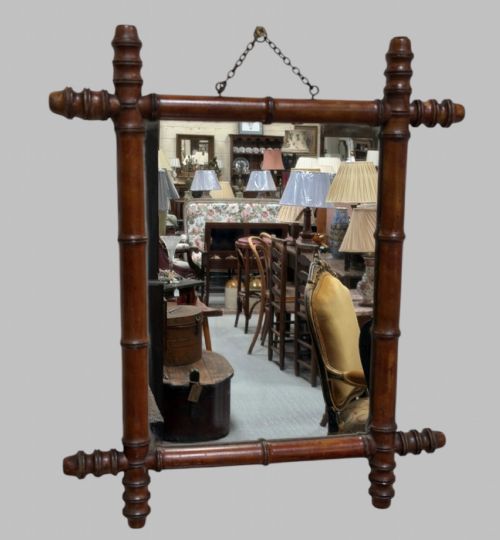
Smaller wall-hanging formats, such as oval or round gilt frames and faux bamboo designs, suit entrance halls and smaller domestic spaces. They provide a practical reflective surface while introducing period character.
Heavier overmantels require solid wall fixings due to their substantial timber and glass weight, making them better suited to principal reception rooms.