

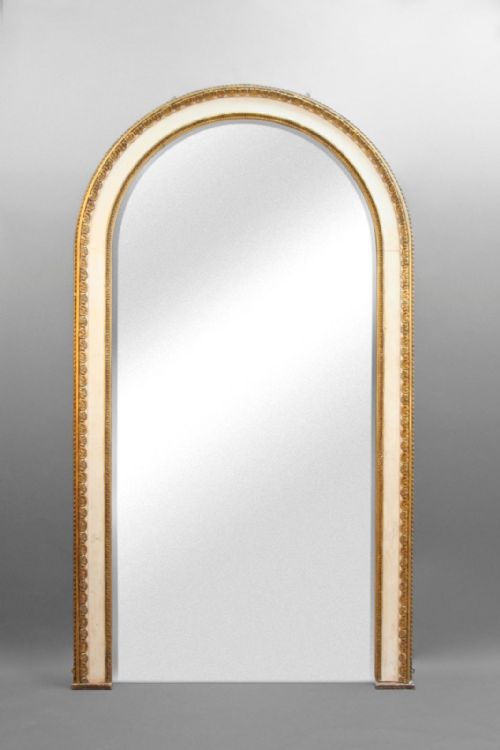
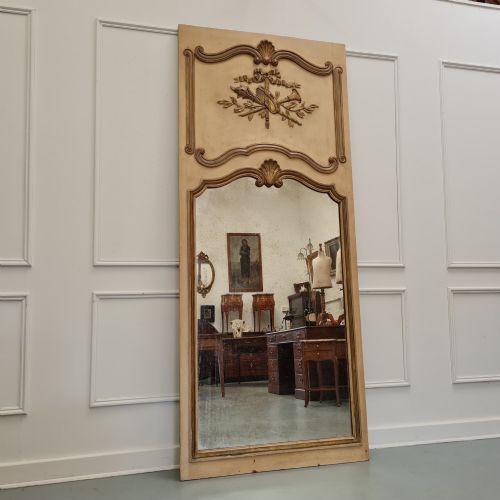


Cream Pier Mirror
A cream pier mirror brings height and painted light to a room, drawing the eye upward between windows.
Cream Pier Mirror
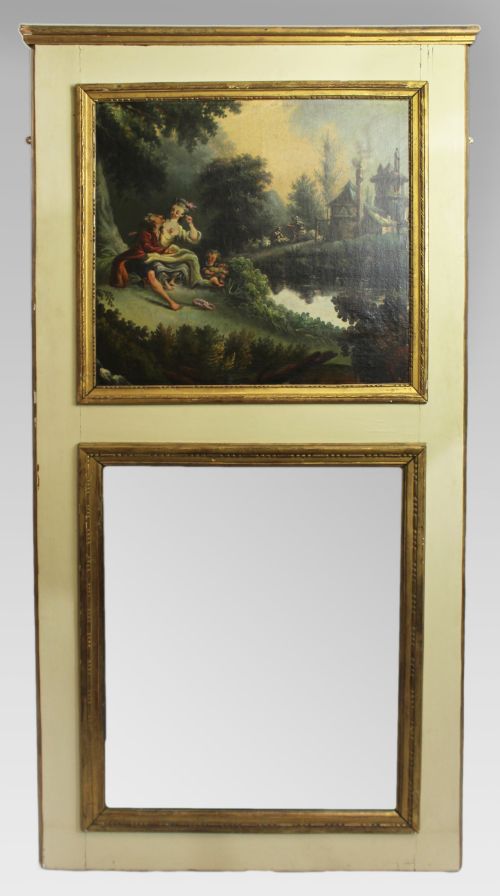
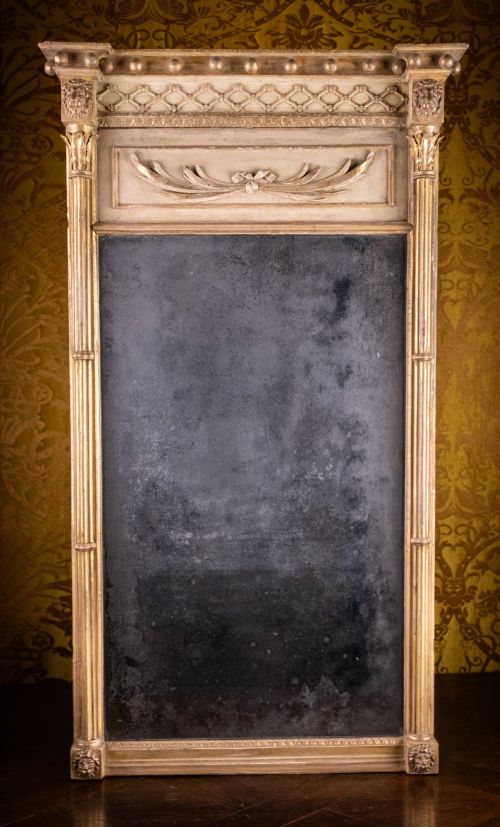
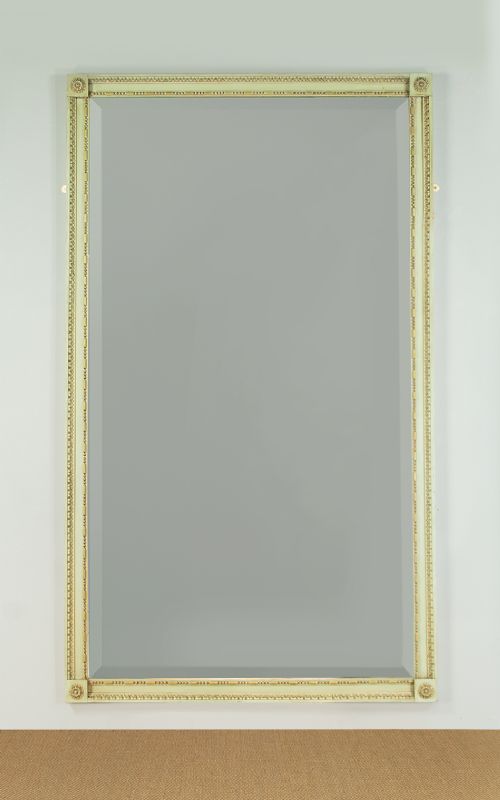
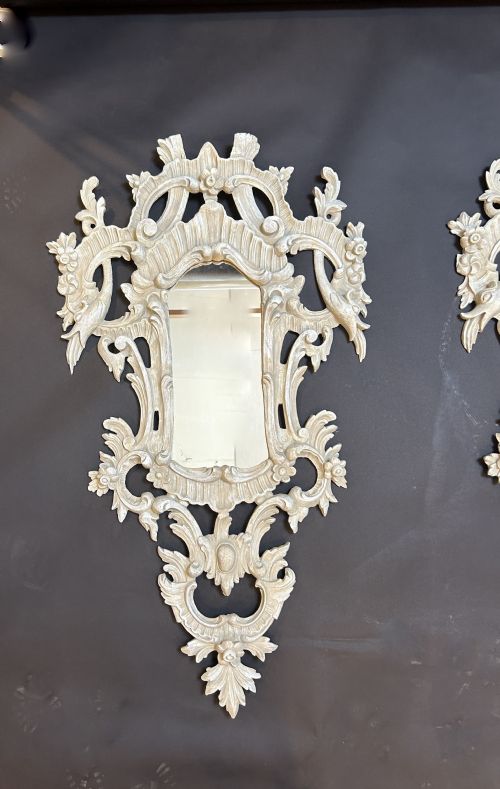
A cream pier mirror is a tall wall-hanging looking glass designed to sit in the architectural space between windows, often accompanied by console tables or painted in muted neutral tones. When searching for a cream pier mirror, buyers encounter numerous nineteenth-century French trumeau pieces alongside Italian rococo, Regency, and Edwardian examples. These tall plates reflect daylight deep into rooms and visually expand interior proportions.
The selection ranges from architectural eighteenth-century formats to late nineteenth-century provincial and chateau interpretations. Many feature carved wood and gesso construction with painted or parcel-gilt finishes over cream surfaces. Object types span simple wall mirrors to grand console tables and mirror combinations originating from French and Italian workshops.
How they were made
Carpenters built the foundational frames using carved wood, applying layers of gesso to create crisp architectural moulding and decorative relief details. Craftsmen then applied paint, cream finishes, and occasional parcel gilding to highlight the carved elements.
Mirrors incorporated original glass plates set into tall vertical frames, occasionally paired with oil paintings set into the upper sections of trumeau formats. The combination of carved wood, gesso, and paint created durable yet decorative surfaces suitable for formal reception rooms and provincial halls.
Some nineteenth-century French mirrors spent decades reflecting busy bistro conversations before finding their way into domestic hallways.
What varies in quality
The standard of carving and the crispness of the gesso relief work set the better examples apart from simpler decorative items. Original painted and gilded surfaces show depth and patination that distinguish period work from later overpainting.
Proportion and scale dictate the hierarchy of these objects, with taller architectural frames and integrated pastoral oil paintings representing more ambitious design work. The survival of original mirror plates adds integrity to the piece.
The Cream Pier Mirror Glossary
- Trumeau
- A decorative wall panel containing a mirror or painting, frequently installed over a mantelpiece or between windows. These architectural elements originated in eighteenth-century interior design.
- Gesso
- A plaster-like mixture applied to wood frames to provide a smooth base for painting or gilding. Artisans carved intricate details directly into this hardened material.
- Pier glass
- A large vertical mirror designed specifically for the wall space between windows. They often stood above matching console tables.
- Parcel gilt
- A technique where selective areas of a frame are highlighted with gold leaf while the remaining surface wears paint. This creates contrast against cream or neutral ground colours.
- Chinoiserie
- A decorative style reflecting European interpretations of Chinese artistic traditions. These motifs appear on painted wooden frames alongside floral patterns.
Cream Pier Mirror: Frequently Asked Questions
Where should I hang a pier mirror?
These tall mirrors work best in the narrow wall space situated between two windows to bounce natural light into the centre of a room. They also function effectively above console tables in entrance halls.
Ensure the wall construction supports the considerable weight of carved wood and gesso frames before mounting them securely at eye level.
How do I clean a painted mirror frame?
Dust the carved wood and gesso surfaces gently with a dry, soft-bristled brush to remove accumulation without disturbing the painted finish. Avoid liquid cleaners or harsh chemicals that can strip delicate historical paint layers.
Clean the glass plate using a mild glass cleaner applied to a cloth rather than sprayed directly, preventing moisture seepage behind the frame.
What is a trumeau mirror?
A trumeau mirror incorporates an integrated oil painting or decorative panel directly above the glass plate within a single architectural frame. Originating in France, these pieces served as permanent fixtures in formal rooms.
They bring both art and reflection into a single vertical format designed to command a wall.
How do I date an antique mirror?
Examine the construction methods of the wooden frame, the composition of the gesso, and the characteristics of the glass plate behind the silvering. Eighteenth and nineteenth-century pieces often display hand-carved details and old backing boards.
Stylistic cues such as rococo scrolls, Regency lion masks, or Edwardian proportions help narrow the manufacturing period.