





Distressed Cream Dresser
A distressed cream dresser brings warmth and practical storage to a room, offering time-worn charm through painted wood surfaces.
Distressed Cream Dresser
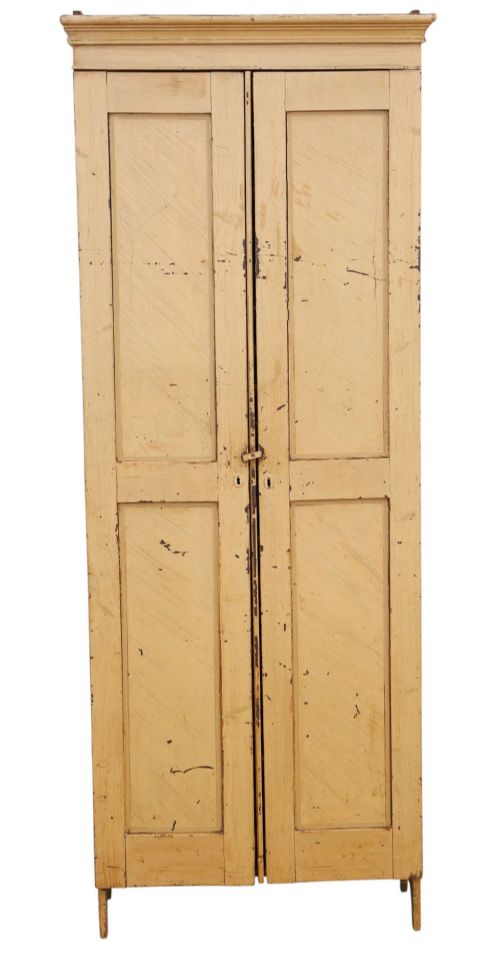
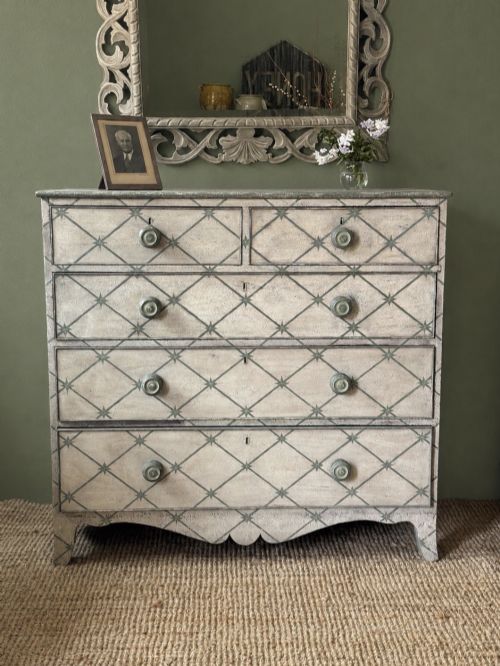
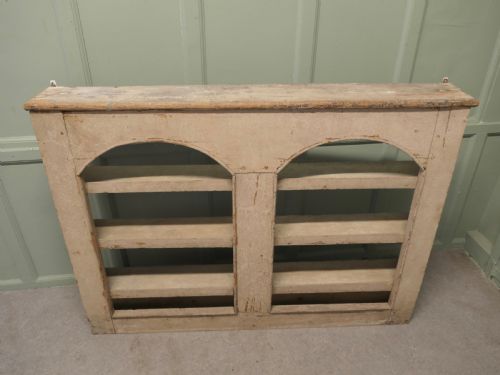
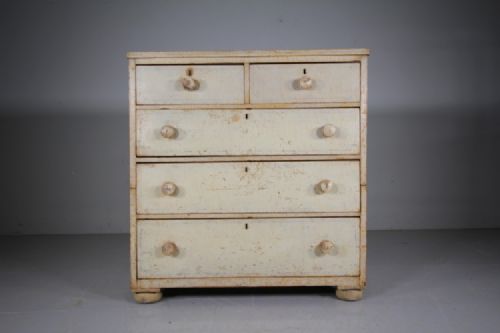
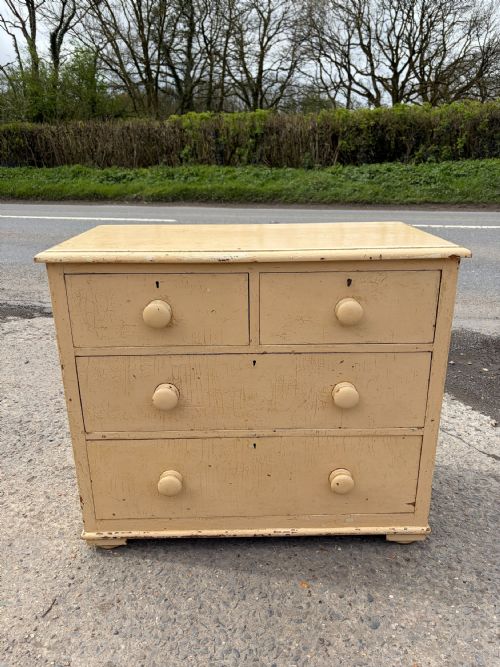
A distressed cream dresser takes many forms across different eras, appearing as kitchen cupboards, chests of drawers, and substantial housekeeper's cupboards. These items originate from periods spanning the eighteenth and nineteenth centuries, alongside pieces from the early twentieth century.
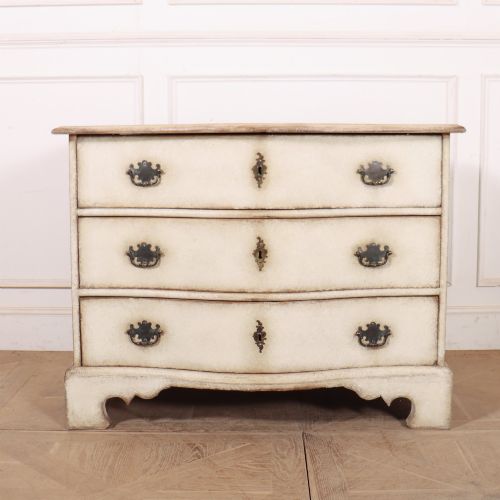
The version most commonly met on this page is the painted pine chest of drawers or kitchen dresser from the Victorian era. Alongside these English pieces, European country furniture frequently surfaces, including French buffets, commodes, and Swedish cabinets.
Buyers seek these objects for their capacious storage and the tactile character of aged painted wood surfaces. The form adapts readily to modern interiors while retaining its historical utility.
Distinguishing quality in painted furniture
Quality rests in the integrity of the original timber frame and the authenticity of the surface finish. Pieces retaining their original painted decoration stand apart from later surface alterations.
Proportion and execution define the finer examples, from serpentine fronts on commodes to well-balanced two-piece constructions. Finer items exhibit careful consideration of scale and decorative carving.
An old French field kitchen dresser brings the aroma of bygone camp meals into a modern dining space.
The Distressed Cream Dresser Glossary
- Commode
- A low cabinet or chest of drawers, often featuring a serpentine or curved front. These pieces frequently originate from continental European workshops.
- Housekeeper's cupboard
- A large tall storage piece traditionally used in large country houses for linen and provisions. They typically combine upper cupboard doors with lower drawers.
- Serpentine
- A curved furniture front characterised by a convex centre flanked by concave ends. This contour requires skilled woodworking.
- Buffet de corps
- A substantial two-part French sideboard or cupboard with upper and lower sections. It serves as both display and storage furniture.
- Pine
- A softwood commonly used for country furniture throughout the eighteenth and nineteenth centuries. It takes paint readily and forms robust domestic carcases.
Distressed Cream Dresser: Frequently Asked Questions
How do I clean a painted dresser?
Dust the surface regularly with a soft, dry cloth to prevent grit accumulation.
Avoid chemical cleaning agents that might damage historical paint layers.
Are these dressers delivered in one piece?
Larger items such as housekeeper's cupboards and two-piece dressers separate into sections for transport.
Smaller chests of drawers and commodes travel as single units.
How can I date a pine dresser?
Examine the construction methods, drawer dovetails, and backboards for tool marks indicative of a specific period.
Hardware style and underlying timber preparation also provide clues to the manufacturing date.
Can I use a kitchen dresser in a living room?
These versatile pieces suit sitting rooms and hallways just as well as kitchens for storing books or display items.
Their substantial storage capacity makes them practical across various domestic spaces.