

Desktop Miniature Cabinet
A desktop miniature cabinet brings scale and utility to a room, offering compact storage shaped by centuries of fine cabinet-making.
Desktop Miniature Cabinet
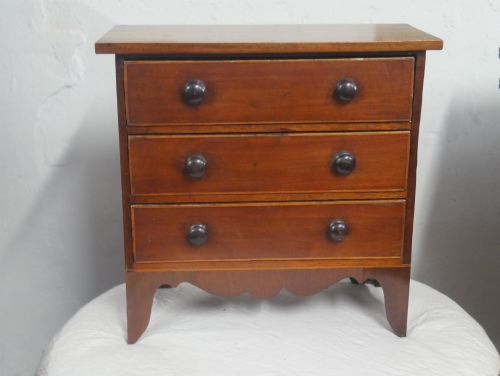
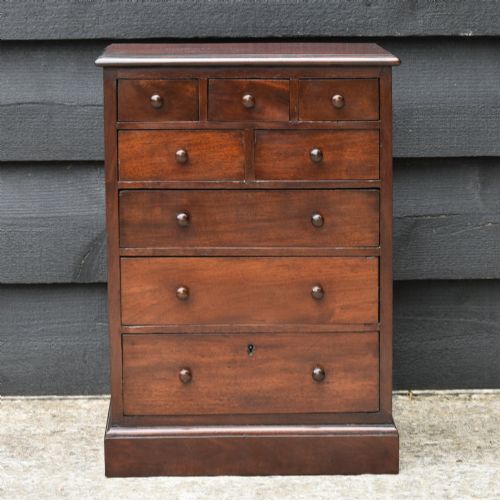
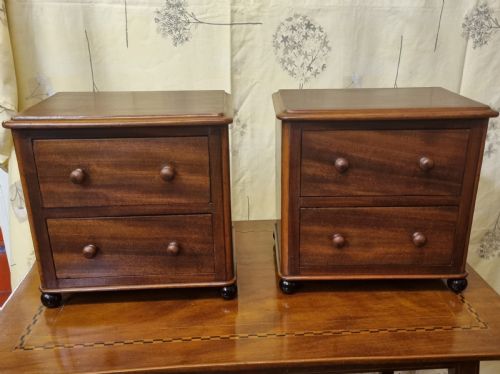
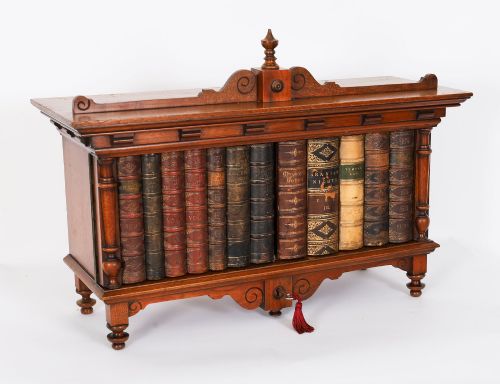
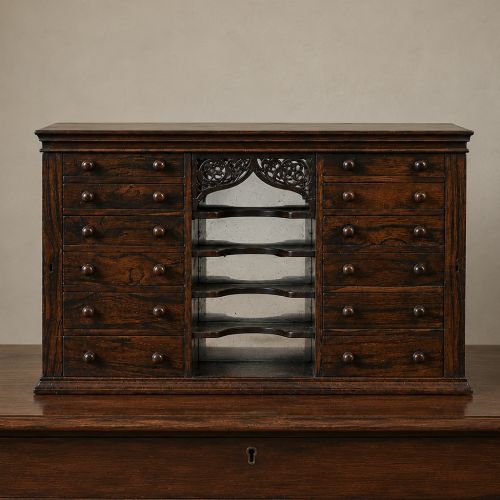
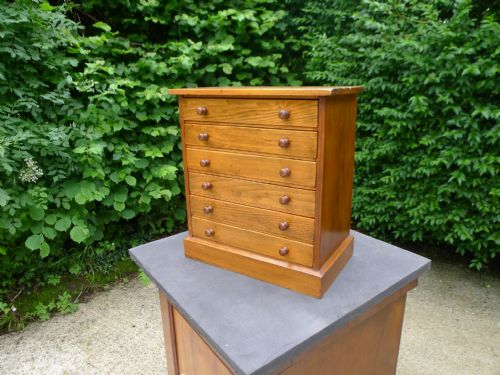
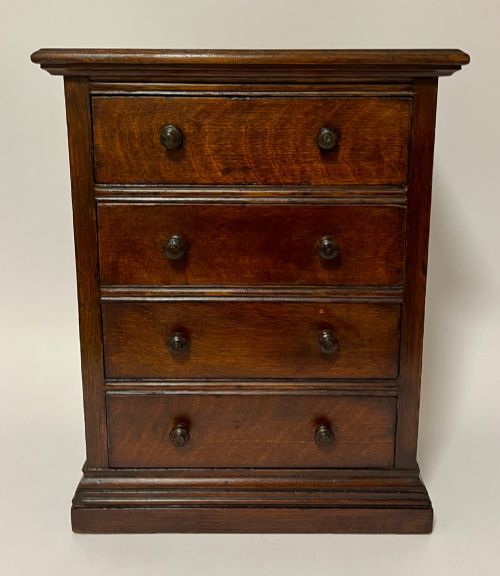
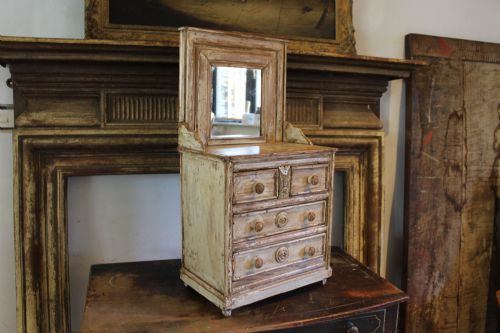
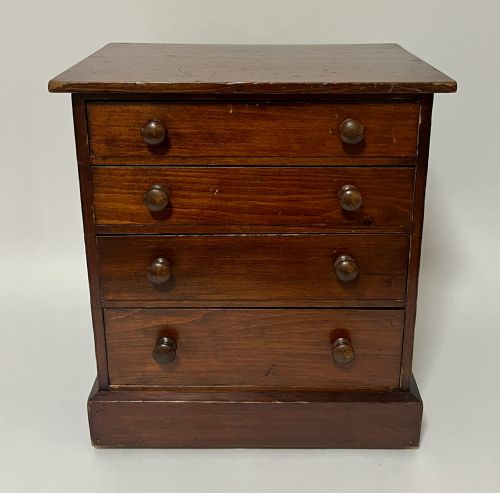
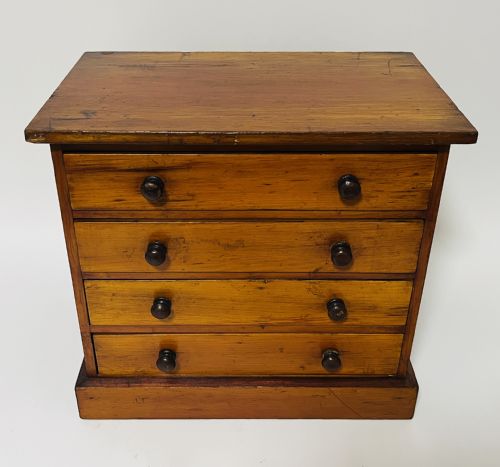
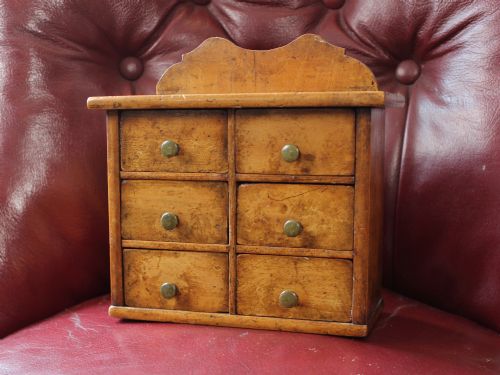
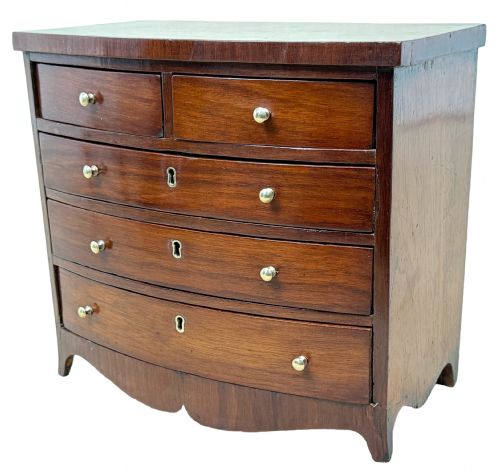
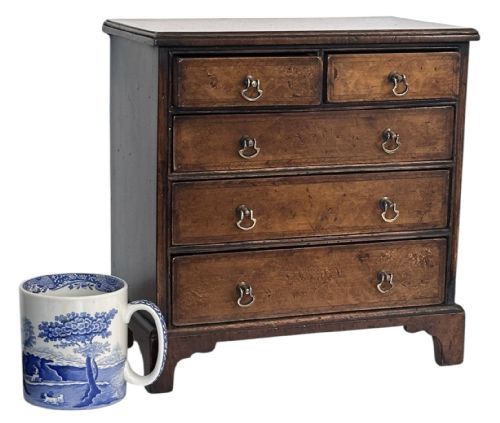
A desktop miniature cabinet gathers tabletop chests, specimen drawers and apprentice pieces created for small-scale storage. When you search for a desktop miniature cabinet, you encounter forms ranging from Georgian and Regency mahogany chests to Victorian walnut collectors' cases.
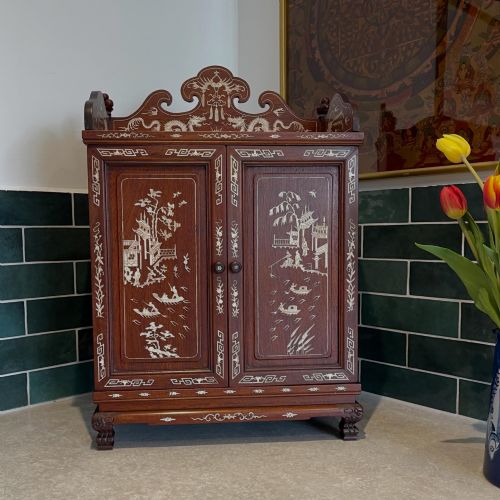
The material selection spans mahogany, oak, walnut and rosewood alongside pine and fruitwood. Many examples reflect Victorian or Georgian tastes, while others reveal French Provincial, Flemish Baroque or Anglo-Indian influences.
Most entries function as desktop or tabletop chests of drawers, offering compartmentalised space for specimens, spices or small valuables. The forms bridge full-sized furniture and portable display cases.
Materials and construction
Cabinet-makers built these pieces using dense hardwoods like mahogany, walnut and rosewood, often pairing them with secondary softwoods such as pine. Joinery relies on precise dovetails for drawer construction and tight framing for stability.
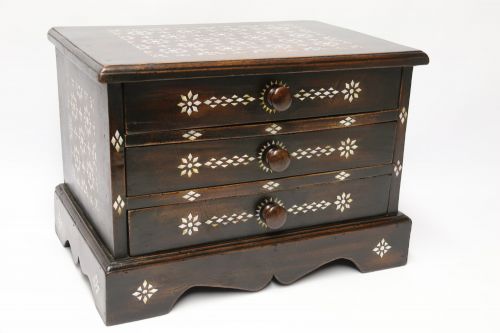
Surfaces frequently feature burr walnut veneers, brass fittings, locks with keys, and inlaid banding. Ebonised moulding, mirrored backs and hand-carved details appear across Victorian and Regency examples.
Finish application involved polishes that brought out the natural grain of fruitwood, palmwood or oak. The structural integrity depends on traditional cabinet-making methods designed to protect delicate contents.
Some miniature chests hide tiny secret compartments behind false drawer bottoms designed to outwit curious hands.
Assessing quality in miniature cabinets
Quality rests in the crispness of the dovetailing and the selection of figured timbers like burr walnut or rosewood. Superior examples display balanced proportions that mirror full-sized furniture rather than clumsy scaling.
The integration of brass handles, functional locks with keys, and fine inlay work separates standard utility pieces from exceptional items. Timber selection and surface grain alignment reveal the maker's hand.
The Desktop Miniature Cabinet Glossary
- Apprentice piece
- A small-scale item made by a trainee craftsman to demonstrate mastery of joinery and furniture design before gaining trade status.
- Specimen cabinet
- A specialised tabletop chest fitted with shallow drawers designed for holding natural history collections, fossils or insects.
- Wellington chest
- A tall, narrow chest of drawers secured by a locking hinged side pilaster that bars access to all drawers simultaneously.
- Bowfront
- A curved cabinet or drawer front curving outward in the centre, common in Regency and Victorian designs.
- Inlay
- A technique where contrasting woods, metals or shells are fitted into recessed spaces on the surface to form decorative patterns.
Desktop Miniature Cabinet: Frequently Asked Questions
What were desktop miniature cabinets used for?
These small cabinets served gentlemen, collectors and households as secure repositories for precious items, documents, or natural history specimens.
They provided organised, accessible storage on a desk or table without occupying the floor space of a full-sized chest.
How do I date a miniature cabinet?
Dating relies on identifying the prevailing timber choices, hardware styles and construction techniques typical of periods like the Georgian or Victorian eras.
Secondary woods, dovetail fineness and lock designs often offer clear clues to the decade of manufacture.
Are apprentice pieces different from miniature chests?
Apprentice pieces were traditionally created by learners to prove their skill to a guild, whereas miniature chests were made as commercial luxury items for domestic use.
Both share diminutive proportions, but the documentation or specific construction quirks sometimes hint at a training origin.
How should I care for a wood desktop cabinet?
Keep wooden cabinets away from direct sunlight and extreme temperature shifts to protect fragile veneers and prevent timber splitting.
Apply traditional wax sparingly and dust gently with a soft cloth to maintain the historic surface sheen.