



Desk Table Silver Box
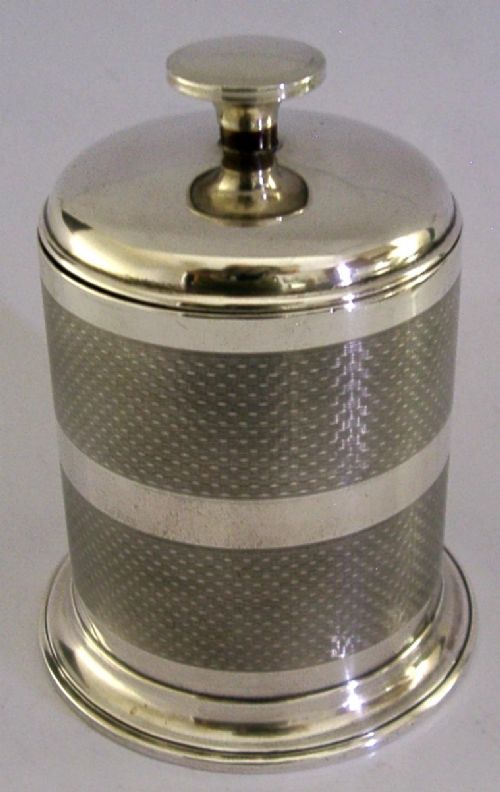
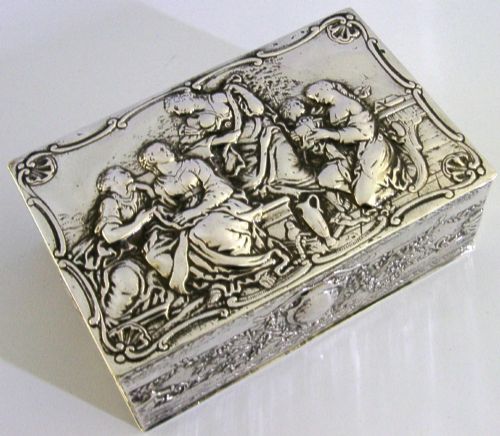
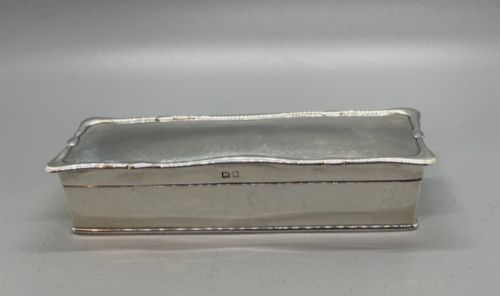
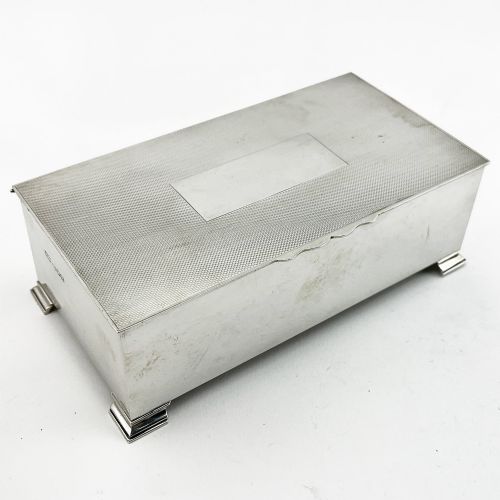
These desk table silver box pieces are heavy metal table containers made for holding tobacco or desk items.
Desk Table Silver Box
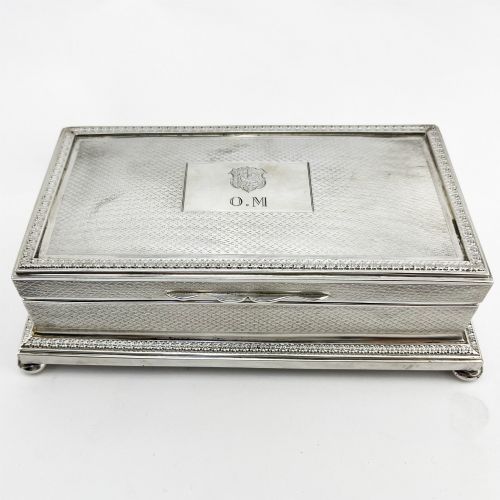
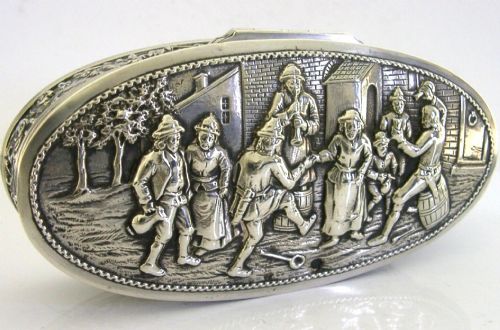
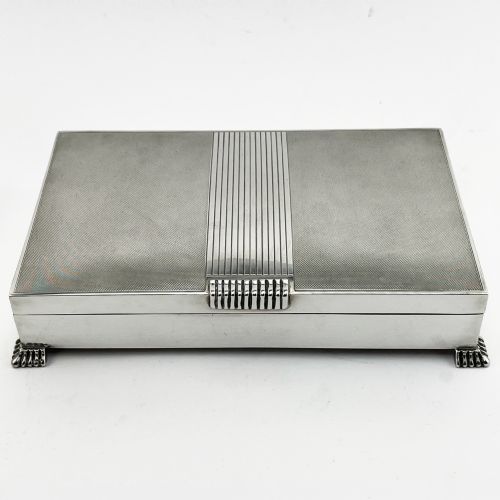
A desk table silver box is a container built to sit upon a writing desk or smoking table. The pieces found here span from Victorian and Edwardian examples to Art Deco and mid-century modern items.
Most entries function as cigarette, cigar or snuff boxes, alongside dedicated stamp boxes and smoking compendiums. Sterling silver dominates the selection, accompanied by solid silver, silver gilt, cut glass, shagreen and niello.
Origin points stretch from English workshops in Birmingham and London to continental centres including France, Germany, Holland and Italy. Forms range from simple rectangular caskets to figural fire carriages and coin-embellished table boxes.
How they were made
Makers shaped these containers from sterling silver and solid silver using sheet metal working, casting and hand engraving. Many incorporate wooden interiors or linings of satinwood to protect the contents.
Advanced examples integrate cut glass bodies, exotic shagreen, lapis lazuli and onyx mounts, or apply silver gilt and niello for surface contrast.
One exceptional smoking compendium takes the miniature form of an ornate Victorian fire carriage ready to roll across the desk.
What varies in quality
Weight and gauge of metal separate ordinary vessels from substantial table boxes. Heavy castings and thick silver walls maintain structural rigidity over decades of lid operation.
Maker attribution and decorative depth dictate standing. Pieces bearing marks from established retailers or named designers carry finer chasing, tight hinge tolerances and superior internal fittings.
Mappin and Webb·Sigvard Bernadotte for Georg Jensen·Jane Brownett Alexander Jones·Frederick Mason·Edward Farrell·Hermes Paris·George Betjemann
The Desk Table Silver Box Glossary
- Sterling silver
- An alloy containing ninety-two point five percent silver by mass, with the remainder usually copper. This standard underpins the majority of English desk boxes.
- Niello
- A black metallic alloy of sulphur with silver, lead or copper used as an inlay on engraved metal. It creates dark contrasting patterns against the bright silver ground.
- Silver gilt
- Silver that has been coated with a thin layer of gold on its surface. This technique provides a rich interior finish to snuff and tobacco boxes.
- Shagreen
- Untanned skin with a granulated surface, typically prepared from the skin of a shark or ray. It provides a textured covering for Art Deco boxes and lighters.
- Smoking compendium
- A multi-piece desk accessory set designed to hold matches, cigars, cigarettes and ash. These complex assemblies sit centrally on smoking tables.
Desk Table Silver Box: Frequently Asked Questions
What is a desk table silver box used for?
These containers were originally manufactured to store smoking materials like cigars, cigarettes and snuff upon a library desk or drawing room table. Other variations served specific functions for holding postage stamps, string, or small dressing table trinkets.
Today, they function as decorative objects for modern desks or coffee tables while continuing to secure small personal items.
How do I date a silver desk box?
Dating relies heavily upon the assay office marks, maker stamps, and date letters struck into the silver metal. Stylistic clues such as Neo-Rococo scrollwork, Edwardian refinement, or geometric Art Deco lines also point to specific decades.
Comparative inspection of secondary materials like wooden liners or internal gilt surfaces helps confirm the period of manufacture.
Are these boxes made of solid silver?
The inventory comprises pieces formed from solid silver, sterling silver, and silver-gilt construction. Many English and continental examples utilise thick gauge silver throughout the body and lid.
Some items integrate contrasting materials like cut glass, onyx, or shagreen alongside the primary silver structure.
Where were these silver boxes made?
Production centres include major English metalworking cities such as London and Birmingham, alongside continental workshops in France, Germany, Holland and Italy. Each region applied distinct regional decorative techniques, from Dutch embossing to German Hanau chasing.
Maker marks and town marks stamped into the metal reveal the precise origin of each piece.
How should I care for an antique silver box?
Silver surfaces benefit from gentle cleaning using non-abrasive cloths and specialised silver polish to remove tarnish without wearing down engraved details. Avoid harsh chemical dips, particularly on pieces featuring niello inlay, shagreen, or gilded interiors.
Keeping boxes in stable humidity environments protects any internal wooden linings or stone mounts from shifting.