




Desk Ink Pot
A desk ink pot is a functional receptacle for liquid ink, chosen for its tactile materials and period presence on a writing surface.
Desk Ink Pot
A desk ink pot serves as a traditional vessel to hold writing fluid within a study or office setup. The pieces found here span the Victorian, Edwardian, and Art Deco eras, alongside earlier nineteenth-century examples.
Buyers will encounter various forms, from simple glass bodies to elaborate capstan shapes and multi-piece desk stands. Materials range from sterling silver and brass to cut glass and bronze, reflecting the functional demands of past writing desks.
Materials and Craftsmanship
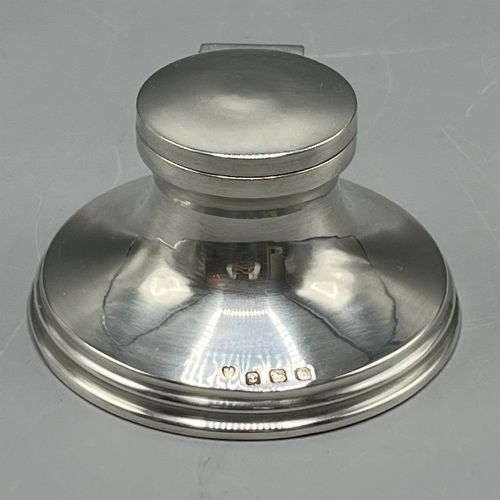
Makers utilised heavy metals such as sterling silver, brass, and bronze alongside moulded or cut glass to form durable reservoirs. Silver components were frequently hallmarked, while bronze and brass castings often incorporated decorative chasing or ormolu mounts.
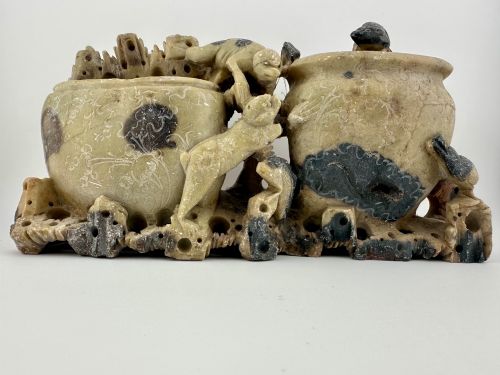
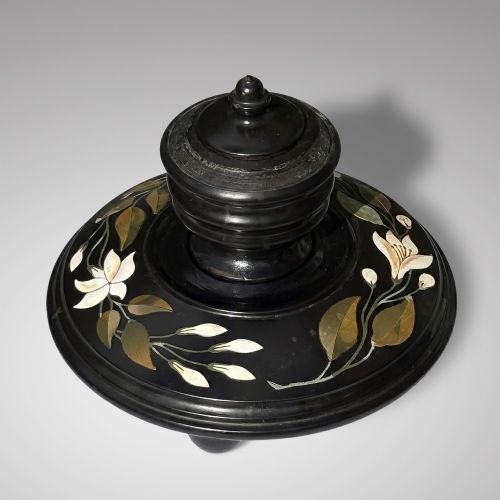
Organic elements like tortoiseshell, fruitwood, and soapstone appear alongside ceramic bodies including earthenware, stoneware, and porcelain. Glass reservoirs were often facet-cut or paired with hinged metal lids to prevent ink evaporation.
Desk accessories here include novelty animal figures, such as bulldogs and emus, alongside traditional capstan shapes.
Assessing Quality and Execution
Quality rests upon the weight of the metal, the clarity and thickness of the cut glass, and the precision of the hinged mechanisms. Superior examples exhibit crisp casting detail in bronze or silver, well-fitted collars, and intact interior liners.
The integration of decorative techniques, such as guilloche enamel work or carved stone elements like Ashford marble, distinguishes finer productions from standard utility pieces.
Henry Matthews·Tiffany and Co·Maurice Dufrene·Kralik or Loetz·Meissen
The Desk Ink Pot Glossary
- Capstan inkwell
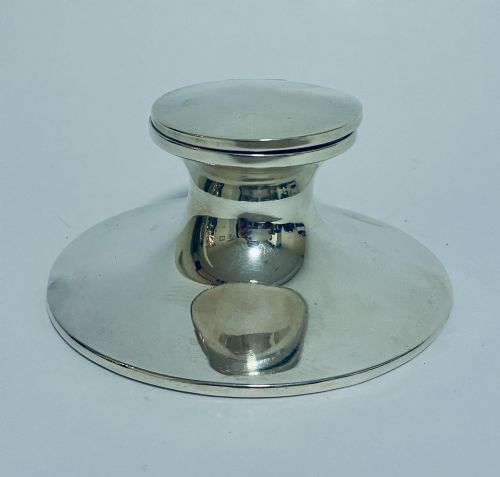
- A desk vessel shaped like a ship's capstan, featuring a wide base tapering toward the top. This shape offered stability on rolling maritime desks.
- Pounce pot
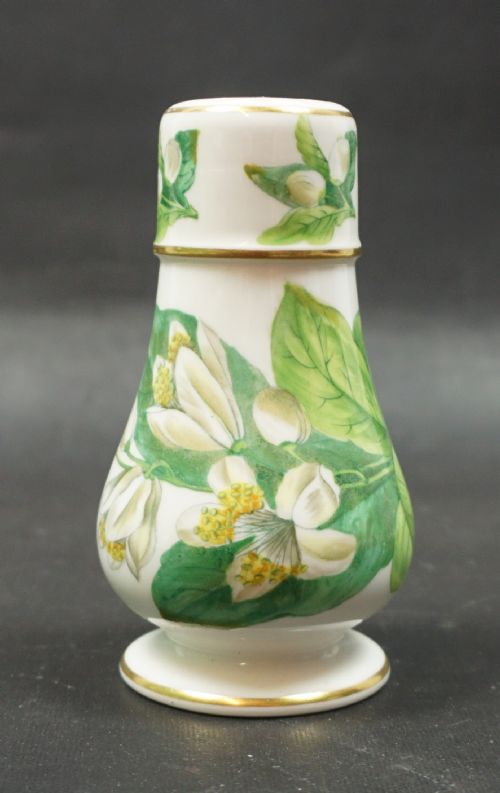
- A small shaker used to sprinkle resin powder onto paper before writing to prevent ink from bleeding. They often match the material of accompanying ink pots.
- Inkstand
- A tray or stand holding one or more ink pots, often with dedicated space for pens and sanders. They formed the central component of a nineteenth-century writing ensemble.
- Guilloche enamel
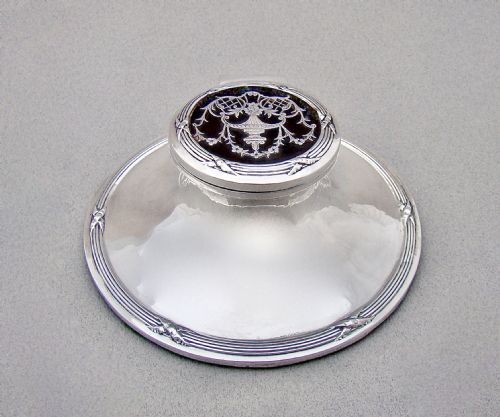
- A decorative metal surface covered with translucent enamel over an engraved geometric pattern. It adds colour and texture to silver desk accessories.
Desk Ink Pot: Frequently Asked Questions
What is the difference between an ink pot and an inkwell?
The terms are often used interchangeably to describe a vessel holding liquid ink for a quill or pen. Technically, an ink pot may simply be the glass or ceramic insert housed within a larger inkstand.
Both items served the same primary function on historic writing desks across the nineteenth and early twentieth centuries.
How were desk ink pots used historically?
They sat upon writing tables to provide a readily accessible supply of liquid ink for daily correspondence and record keeping. Writers dipped their quills or steel nibs directly into the central reservoir.
Lids were kept closed when not in use to slow down the evaporation of the ink and prevent dust accumulation.
How do I care for silver and glass ink pots?
Silver mounts require gentle cleaning with a specialised cloth to maintain their polished finish without harming adjacent glass or enamel. Glass reservoirs should be washed with warm water to remove dried ink residue.
Avoid submerging pieces that combine organic materials like tortoiseshell or wood in water.
How can I tell an Edwardian ink pot from a Victorian one?
Victorian pieces often display heavier, more ornate ornamentation including animalier figures and elaborate cast brass or bronze work. They reflect the eclectic revival styles of the nineteenth century.
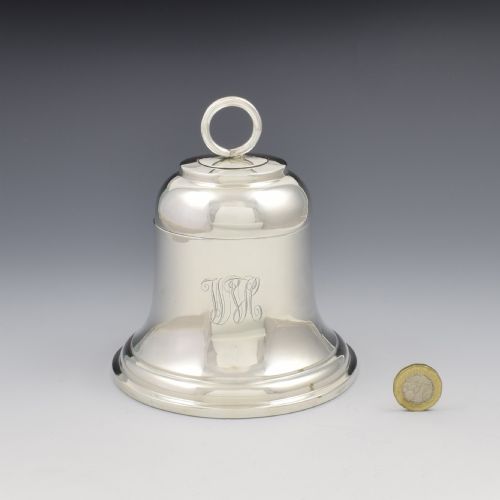
Edwardian designs tend toward cleaner lines, lighter silver capstan forms, and early Art Nouveau curves reflecting the tastes of the early twentieth century.