
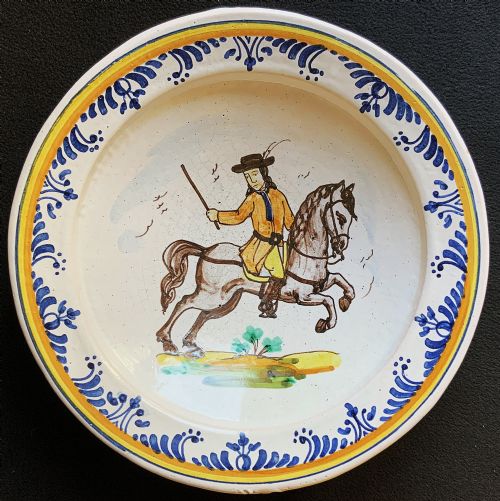


Delft Blue Ceramic Bowl
These delft blue ceramic bowl examples unite tin-glazed earthenware with cobalt pigment, offering genuine historic character for your interior.
Delft Blue Ceramic Bowl
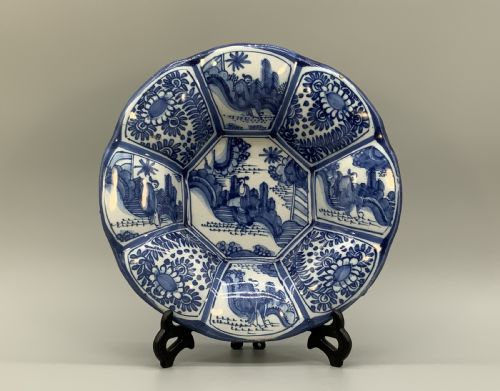
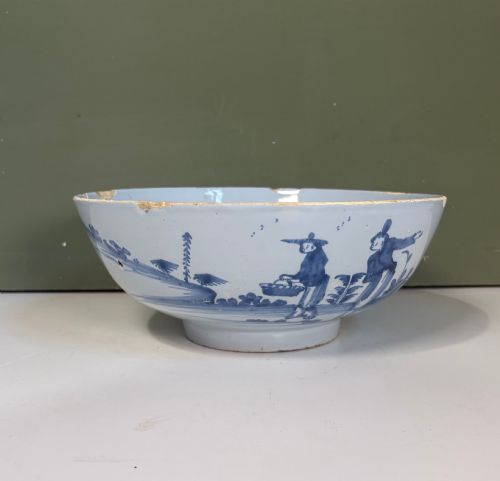
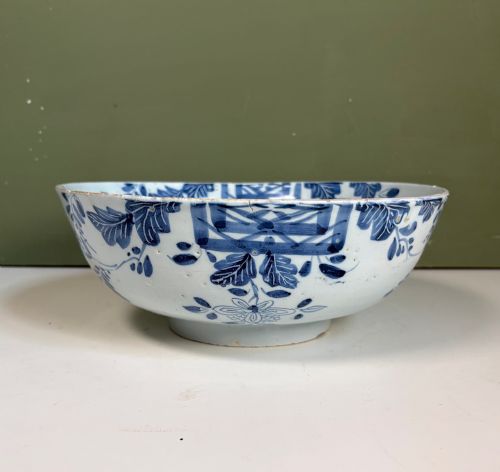
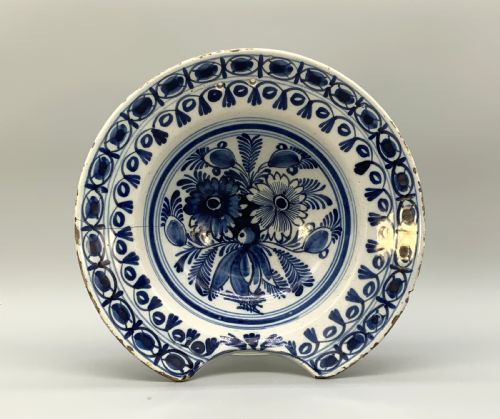
When you search for a delft blue ceramic bowl, you encounter tin-glazed earthenware vessels originating from the eighteenth and nineteenth centuries. These pieces encompass forms such as decorative bowls, shallow bowls, and barber's bowls.
The items span various regional traditions including eighteenth-century Dutch, Dutch Baroque, eighteenth-century Delftware, and eighteenth-century Spanish styles. Many examples display blue and white palettes alongside Chinoiserie motifs.
You are most likely to meet eighteenth-century Dutch examples on this page, reflecting the primary manufacturing periods recorded in the listings. These historic vessels serve as decorative bowls and dishes within contemporary interiors.
How they were made
Potters utilised earthenware and ceramic bodies as the foundation for these vessels, applying tin glaze to create a white opaque surface. Artisans then painted designs directly onto this unfired glaze using cobalt oxide and cobalt pigment.
The application of cobalt pigment produced the characteristic blue and white coloration seen across Dutch and Spanish pieces. Firing fixed the metal oxides into the tin glaze, yielding the durable decorated surfaces recorded in the listings.
Some historic pieces double as medical bleeding dishes, proving that historic grooming routines were surprisingly dramatic.
What varies in quality
The refinement of the tin-glazed earthenware body and the precision of the cobalt pigment application distinguish finer examples. Superior pieces display crisper Chinoiserie detailing and more controlled brushwork across the bowl surface.
Regional execution also shapes the character of each piece, from the restrained Dutch Baroque aesthetic to polychrome Spanish chargers. The complexity of the vessel form, such as lobed rims or specialised barber's bowl configurations, alters the visual impact.
The Delft Blue Ceramic Bowl Glossary
- Tin-Glazed Earthenware
- Pottery coated with a glaze containing tin oxide, which produces a white and opaque surface. This technique forms the basis of all delftware production.
- Cobalt Oxide
- A mineral compound utilised as a pigment to achieve the deep blue coloration on ceramic surfaces. It remains stable under high firing temperatures.
- Chinoiserie
- European decorative motifs imitating Chinese artistic styles, frequently rendered in blue pigment on ceramics. This style appears on seventeenth-century Kraak-inspired pieces.
- Barber's Bowl
- A specialised basin featuring a semicircular cutout, historically used for shaving and medical bleeding. Examples in tin-glazed earthenware survive from the eighteenth century.
Delft Blue Ceramic Bowl: Frequently Asked Questions
What is a delft blue ceramic bowl?
It is a tin-glazed earthenware vessel decorated with cobalt pigment, originating primarily from eighteenth and nineteenth-century European workshops.
These pieces encompass various forms including shallow dishes, decorative bowls, and barber's basins reflecting Dutch and Spanish traditions.
How were these bowls used historically?
Historic examples functioned as decorative table wares, decorative dishes, or specialised basins for personal grooming.
Many served as display items in domestic interiors, showcasing blue and white Chinoiserie designs or polychrome glazes.
How do I live with an antique delft bowl?
Display these earthenware pieces on open shelving, sideboards, or mounted securely on walls to highlight their historic glazes.
Keep them away from damp environments and handle them carefully to protect the tin-glaze surface from impact.
How can I tell the periods apart?
Eighteenth-century examples often display traditional Dutch or Spanish tin-glazing techniques, while nineteenth-century pieces continue these regional styles.
Examine the glaze consistency and pigment depth to understand the manufacturing period of each specific bowl.