
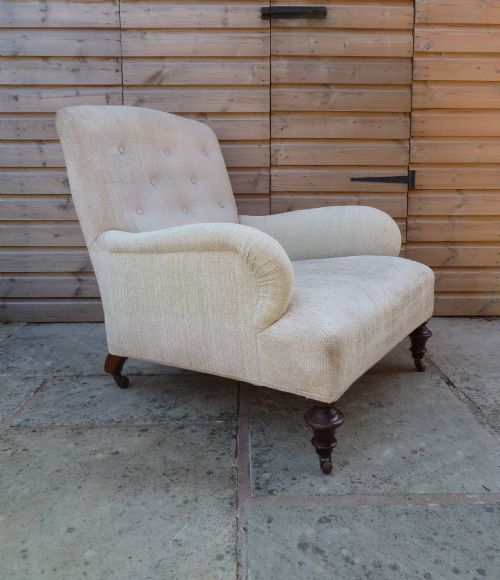
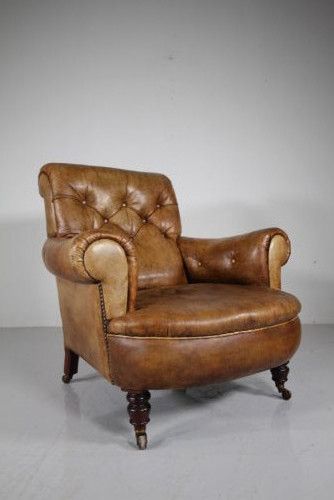
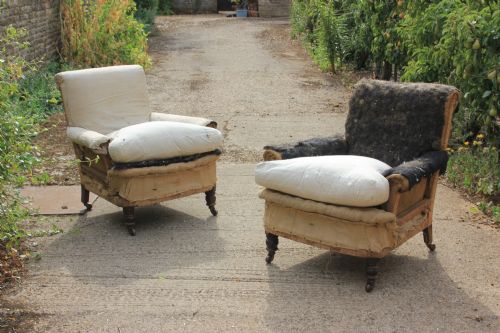
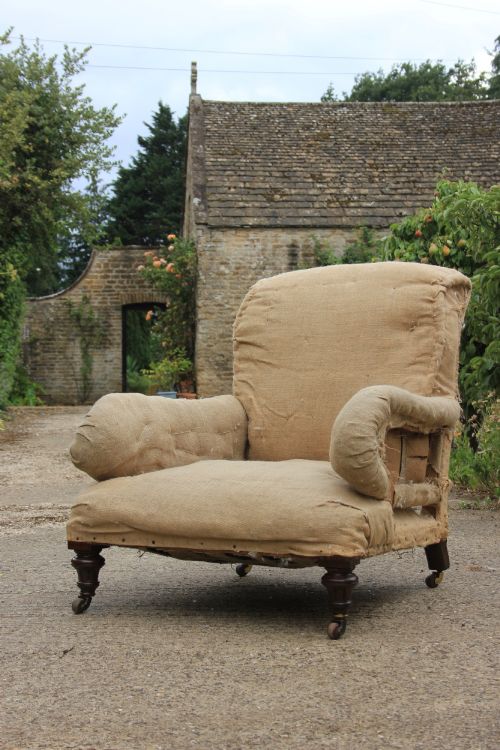

Deep Seated Club Chair
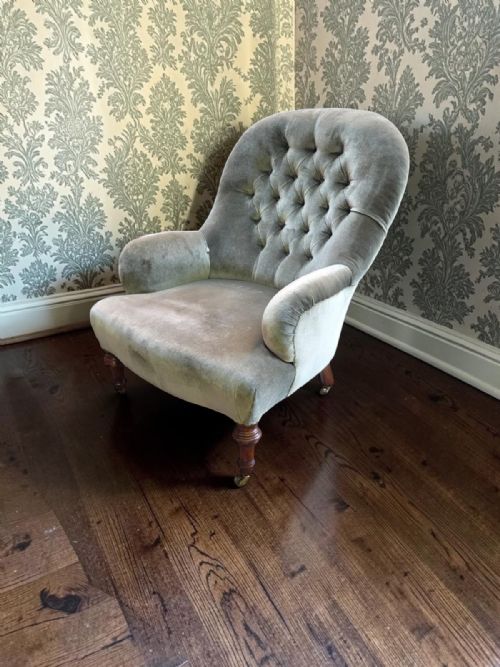
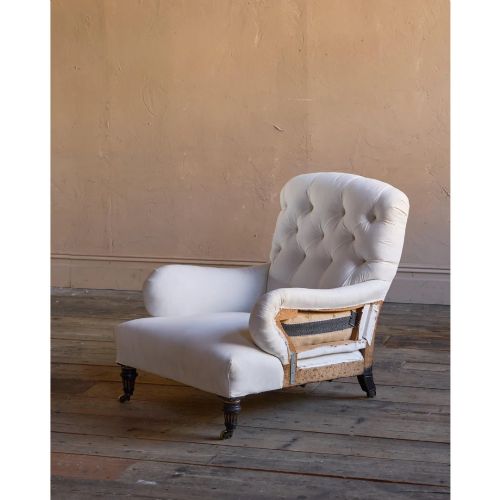
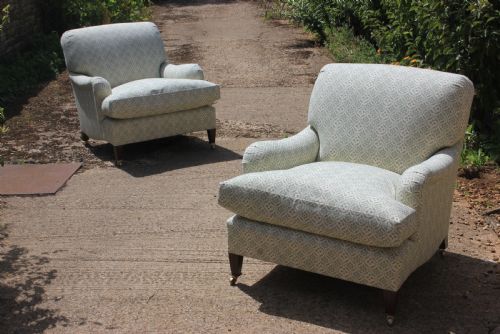
These deep seated club chairs offer generous proportions and sturdy frames designed for long hours of reading or sitting.
Deep Seated Club Chair
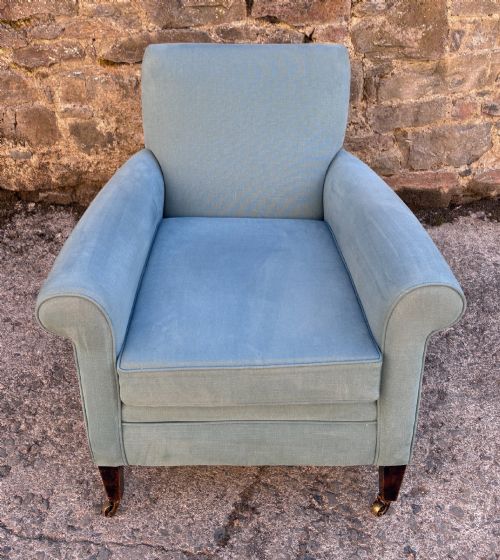
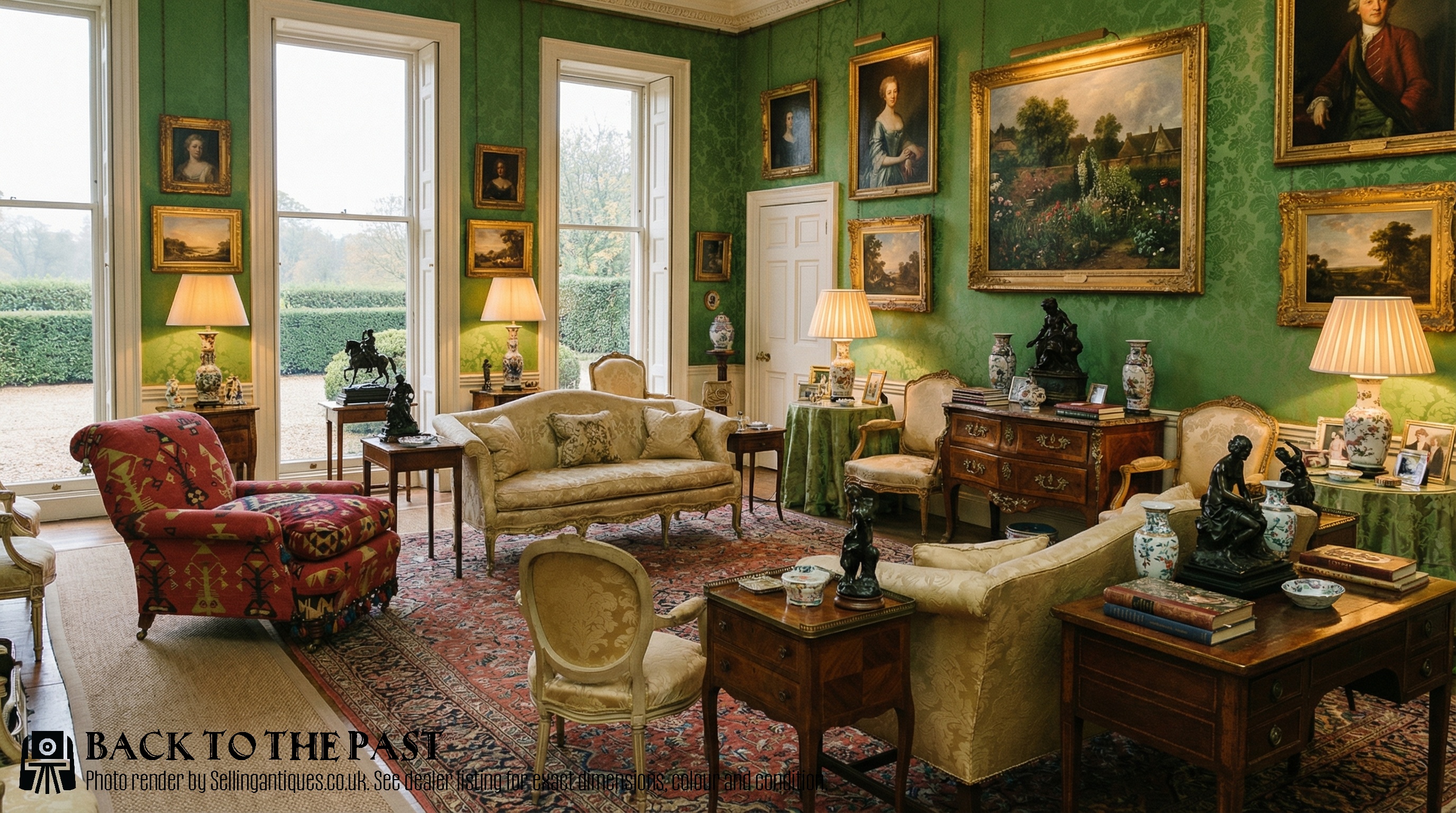
A deep seated club chair provides an expansive seat surface paired with supportive arms, designed primarily for relaxation in studies, libraries and drawing rooms. The examples found here span the nineteenth century, the Victorian and Edwardian eras, up through the Art Deco period, showing both English country house sensibilities and continental forms.
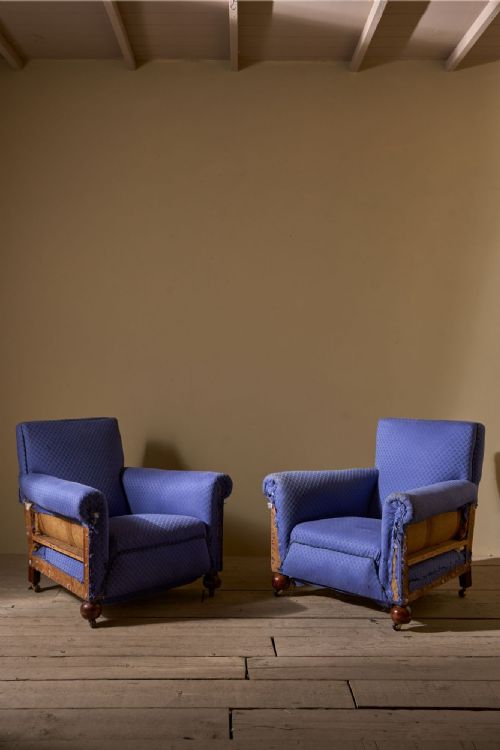
The most common form encountered on this page is the low-slung upholstered armchair, often following nineteenth-century styles or carrying the distinct lines associated with maker-influenced workshop designs. These pieces frequently appear in pairs or as single library chairs built for heavy daily use.
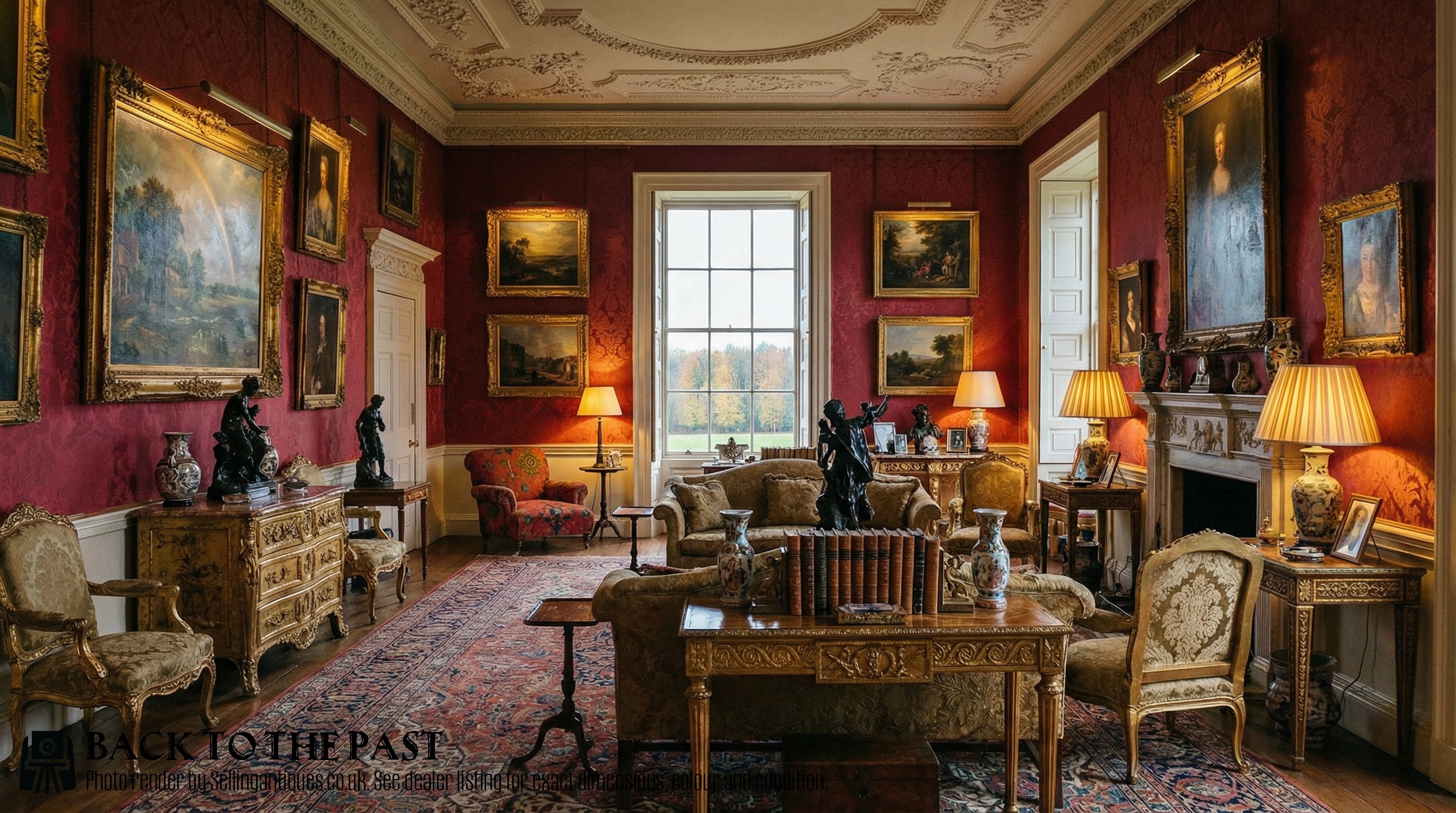
How they were made
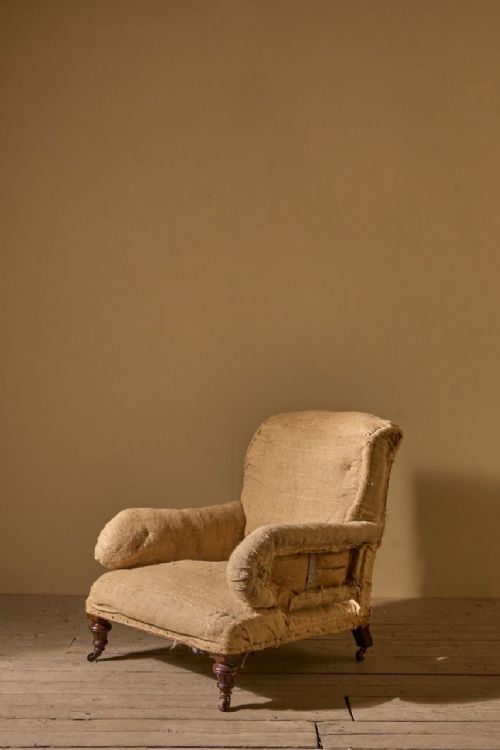
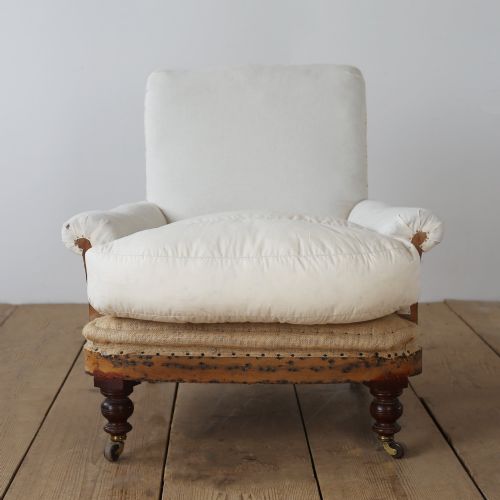
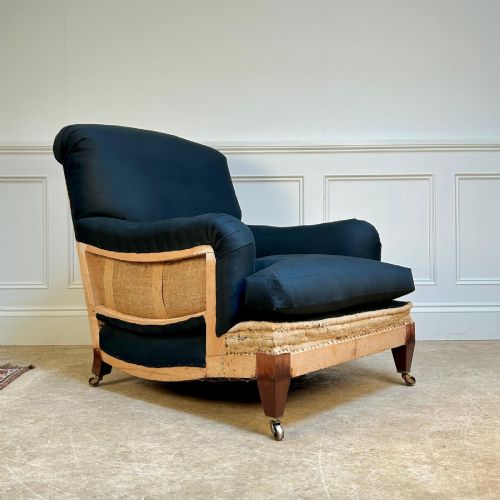
Construction relies upon robust internal framing shaped from timber such as mahogany and walnut, providing the structural skeleton necessary to support deep upholstery. Brass details, such as castors on legs, appear frequently to ease movement across heavy carpets.
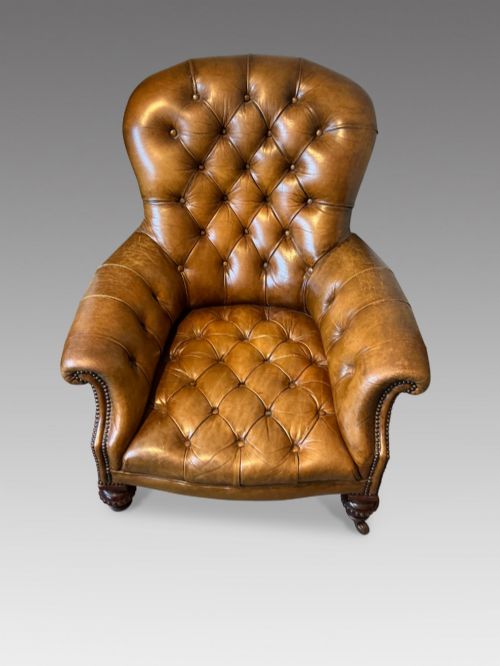
Outer coverings utilise traditional materials including leather, calico, hessian and woven fabric, often secured with buttoning or hand-tacked detailing. Internal stuffing materials create the characteristic deep, supportive resilience expected in this seating form.
Several armchairs arrive with brass castors so enthusiastic they practically roll across the room by themselves.
What varies in quality
Quality rests heavily on the integrity of the wooden frame beneath the upholstery, where sturdy joints and substantial timber scantlings distinguish superior workshop output from standard commercial production. The precision of the upholstery work, from the tension of the springs to the neatness of the stitching, marks the difference between standard seating and high-end library chairs.
The selection of covering materials also dictates grade, with premium examples featuring heavy, well-tanned leathers or fine woven textiles that age gracefully with use. Subtle details like aesthetic movement leg turnings or branded castors elevate specific pieces above standard Victorian and Edwardian examples.
HOWARD AND SONS·SF CULLEN·Gillows
The Deep Seated Club Chair Glossary
- Bergere
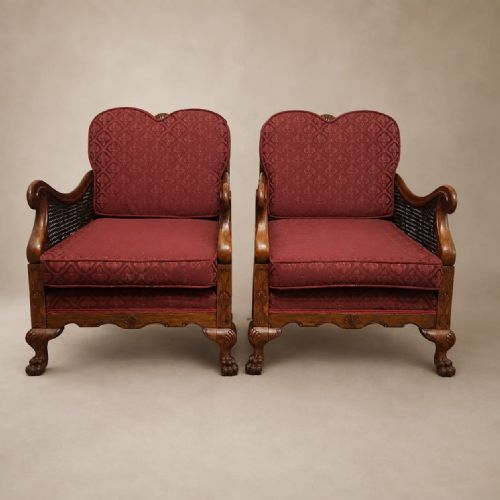
- An enclosed armchair with sides and back upholstered in cane or wickerwork. This French-inspired form often incorporates a wooden frame in walnut.
- Button back
- An upholstery technique where depressions are pulled into the padding using buttons spaced in a grid pattern. This secures the internal stuffing and creates a distinct padded texture.
- Library chair
- A heavy, comfortable armchair traditionally used in private libraries or studies. These pieces prioritise deep seating and durable leather or fabric upholstery.
- Tub back
- An armchair featuring a continuous curved back and arms forming a single rounded enclosure. This shape wraps around the sitter for added enclosure.
- Castor
- A small wheel attached to the base of furniture legs to ease movement. Brass examples are frequently found on nineteenth-century seating.
Deep Seated Club Chair: Frequently Asked Questions
How do I identify a Howard style chair?
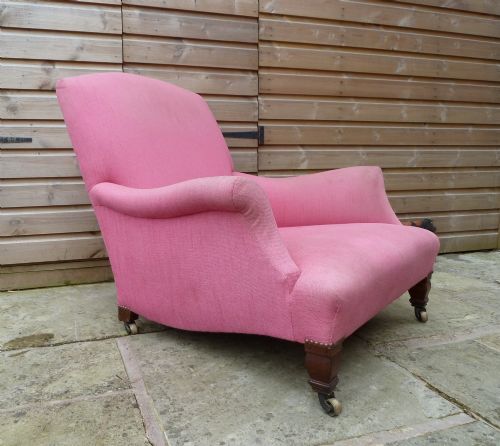
Look for low, generous proportions, rolled arms, and substantial depth designed for comfortable lounging. Many carry specific leg styles and traditional upholstery methods associated with nineteenth-century London workshops.
Examine the castors and under-framing for maker stamps where present, as these details often confirm the lineage of the piece.
What periods do these armchairs come from?
The pieces span from the mid-nineteenth century through the Victorian and Edwardian eras, extending into the Art Deco period of the 1930s. Each era brings distinct stylistic touches to the legs and upholstery.
Victorian and Edwardian versions dominate the selection, offering substantial wooden frames and traditional leather or fabric coverings.
Are these chairs suitable for daily use?
These chairs were built with robust internal frames and durable materials intended for heavy, regular use in libraries and country houses. Their deep seats and solid construction make them practical for everyday seating.
Maintenance involves traditional leather care or fabric cleaning depending on the specific outer material used on the chair.