


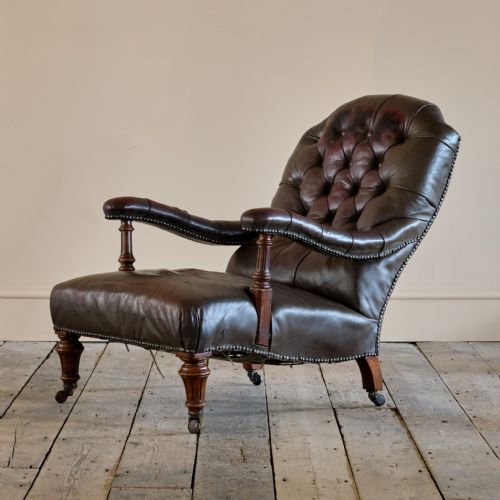
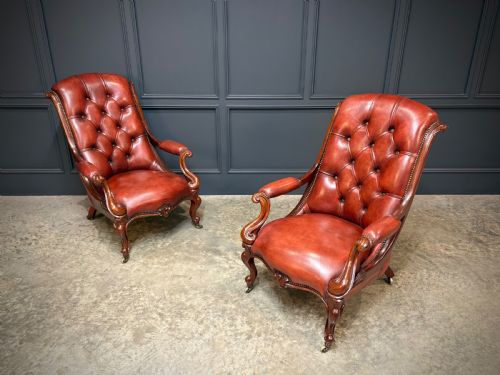
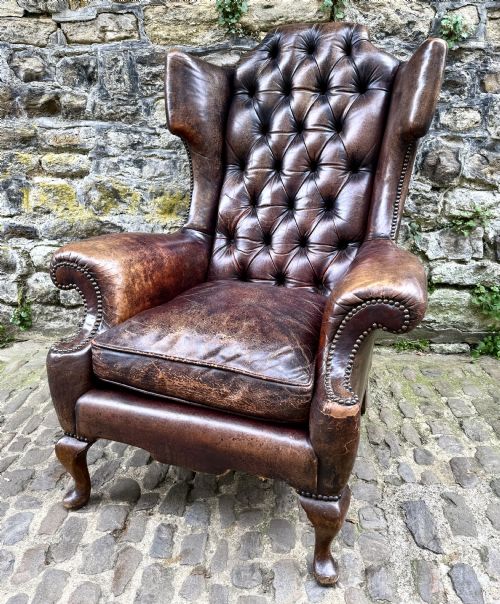
Deep Buttoned Leather Chair
A deep buttoned leather chair brings substance and character to a room, offering enduring comfort through traditional upholstery.
Deep Buttoned Leather Chair
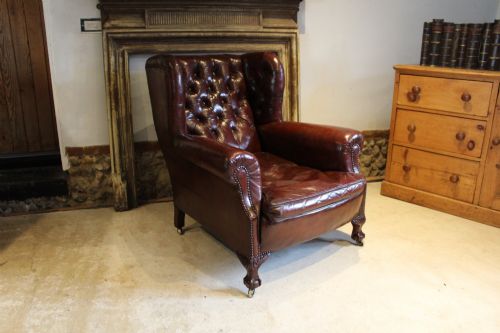
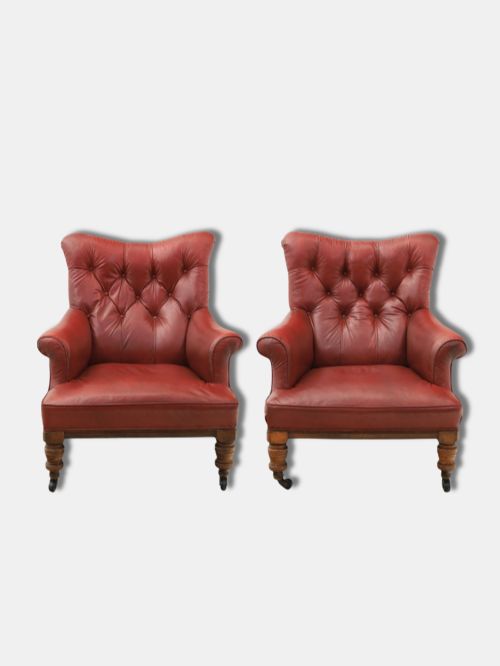
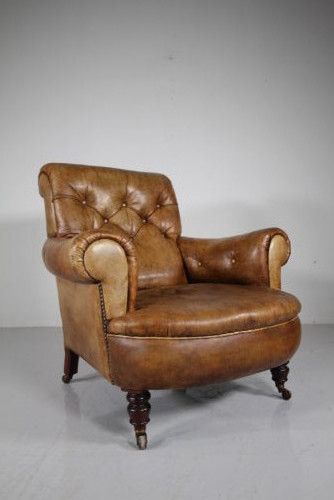
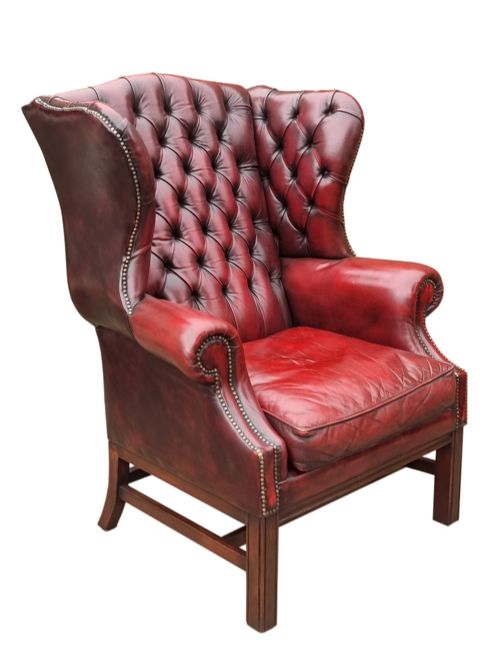
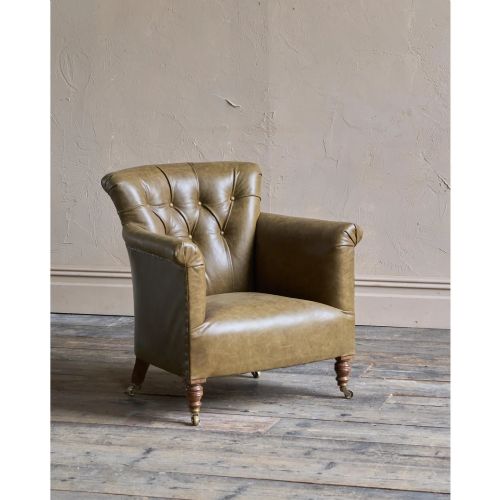
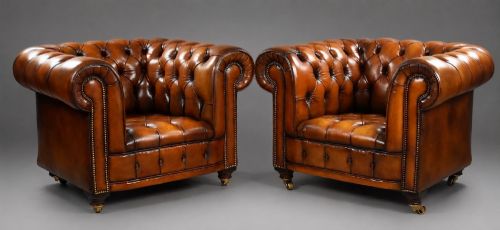
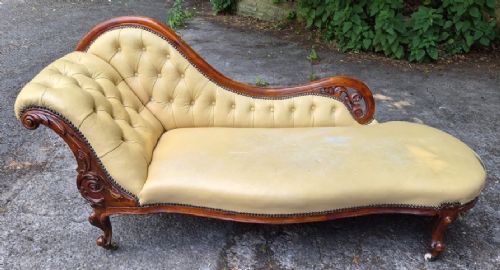
A deep buttoned leather chair encompasses a range of seating forms designed for studies, libraries, and drawing rooms. Buyers searching for a deep buttoned leather chair encounter robust wing armchairs, low club chairs, and swivel desk seats originating from various periods.
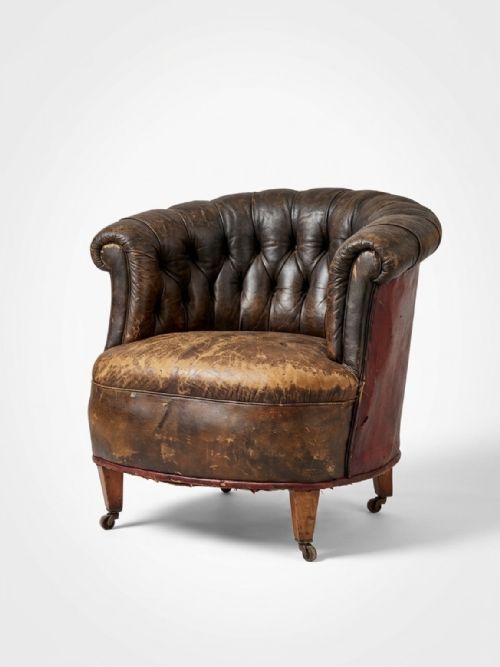
The Victorian era and the early twentieth century supply many of the examples seen here, alongside Georgian revivals and Regency pieces. These seating options include library armchairs, tub chairs, and reading chairs constructed with substantial wooden frames.
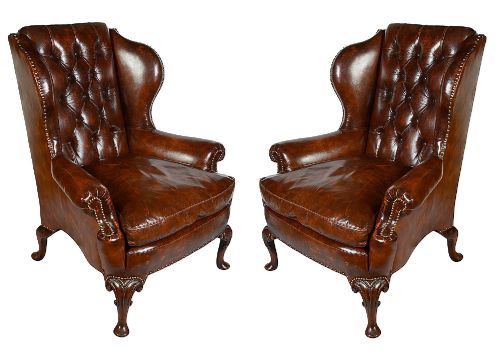
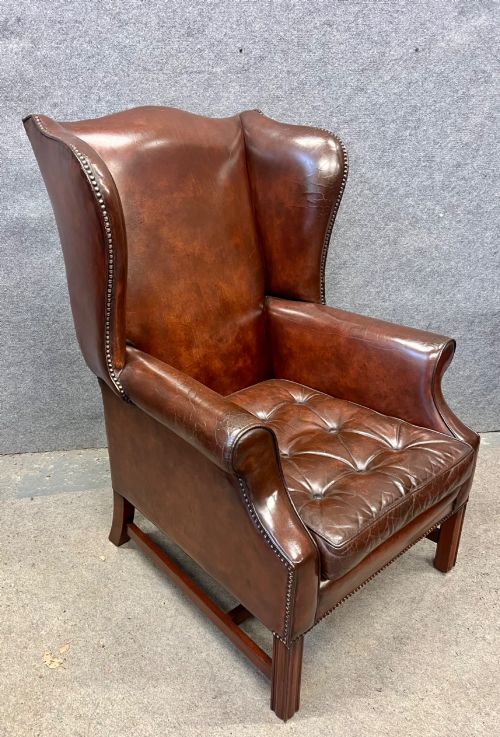
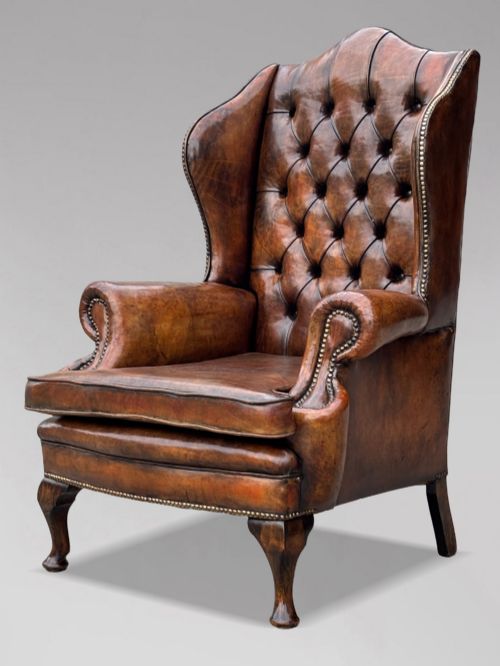
Wing armchairs dominate the selections, featuring high backs and protective side panels designed to block draughts. Alongside these, executive desk chairs and low club chairs provide varied silhouettes suited to different domestic and professional interiors.
How they were made
Craftsmen built the foundations of these seats using hardwoods such as mahogany, oak, walnut, and timber. Frames were joined securely to bear the weight of heavy springing and dense stuffing.
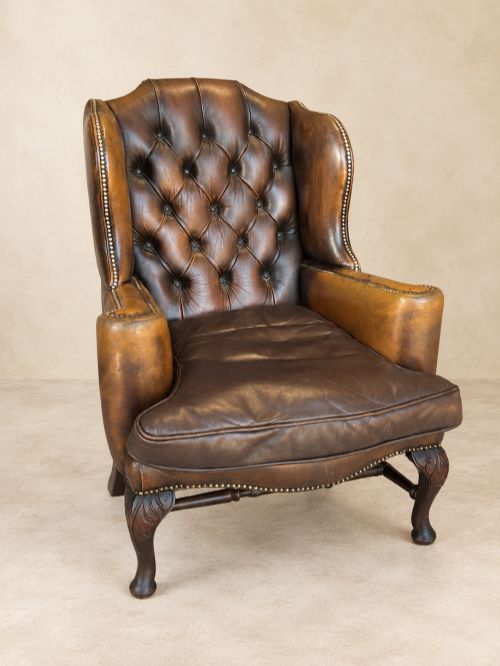
Leather hides were stretched over the padding and secured by hand-driven brass nails or tacks. Deep buttoning was achieved by pulling twine through the upholstery layers to create recessed tufts fixed in place.
Turning and carving shaped the exposed wooden elements, including cabriole legs, arm supports, and revolving mechanisms on office chairs. Hand-dyeing techniques were frequently applied to achieve rich brown, tan, green, and red tones across the leather surface.
Deep Buttoned Leather Chair Retail Price Guide 2026
Typical asking prices for deep buttoned leather chair among the pieces listed under this phrase on Sellingantiques today, from the lower quarter to the upper quarter. They describe what is for sale here now, not the wider market.
Listings feature woods including mahogany, oak, walnut, and hardwood paired with brass hardware and leather upholstery.
What varies in quality
The grade of the timber frame and the weight of the underlying construction dictate the structural integrity of the seat. Heavier hardwoods provide lasting stability compared to lighter secondary woods.
The suppleness and original condition of the leather hide differentiate standard examples from finer pieces. Hand-dyed finishes and well-preserved patination reflect superior initial materials and careful ageing.
The precision of the tufting and the execution of the brass detailing indicate the skill of the original workshop. Uniform button spacing and tight pleating demonstrate high standards of craftsmanship.
Howard and Sons
The Deep Buttoned Leather Chair Glossary
- Chesterfield
- A style of upholstered seating characterised by arms and backs of the same height, featuring deep tufted buttoning. This form is traditionally associated with leather club chairs and couches.
- Wing armchair
- A high-backed seat featuring projecting side panels designed to shield the occupant from room draughts. These chairs often stand on cabriole or tapered wooden legs.
- Bergere
- An enclosed armchair with a wooden frame and upholstered seat, frequently featuring woven cane panels or leather upholstery. These chairs emerged in French design before adoption in British furniture.
- Gainsborough chair
- An open-framed armchair with a wide seat, padded armrests, and a low back, typically used at a desk or in a library. The style dates back to the mid-eighteenth century.
- Rexine
- A leathercloth material composed of a cloth base coated with nitrocellulose paint and oil, used as a durable upholstery substitute in the early twentieth century.
Deep Buttoned Leather Chair: Frequently Asked Questions
What is a deep buttoned leather chair?
A deep buttoned leather chair is a traditional piece of upholstered seating featuring recessed tufts held by buttons across the leather backrest or seat. These chairs range from library armchairs to office desk chairs.
Built on hardwood frames with brass detailing, they combine utilitarian durability with formal elegance suited to studies and drawing rooms.
How do I date a leather armchair?
Dating involves examining the timber species, leg style, and construction methods used in the frame. Victorian and Edwardian examples often feature mahogany or oak with distinct turned supports.
Earlier pieces from the Georgian era display different proportions and hand-carved details, while twentieth-century versions incorporate revised springing and synthetic backing materials.
Where should I place a wing chair?
Wing chairs suit spaces requiring a strong focal point, such as beside a fireplace, in a library corner, or near a bookshelf. Their high backs create a private enclosure ideal for reading.
Pairing them with a wooden desk or placing them opposite a sofa balances heavier room layouts while maintaining functional seating.
Are desk chairs adjustable?
Certain desk chairs from the nineteenth and early twentieth centuries feature swivel bases, tilt mechanisms, and height adjustment screws. These mechanisms allowed nineteenth-century clerks and readers to alter their seating position.
Stationary library chairs provide fixed support, whereas revolving models offer mobility across office spaces.