
Decorative Table Lamps
These decorative table lamps bring functional illumination and sculptural form together through centuries of brass, bronze, porcelain, and glass.
Decorative Table Lamps
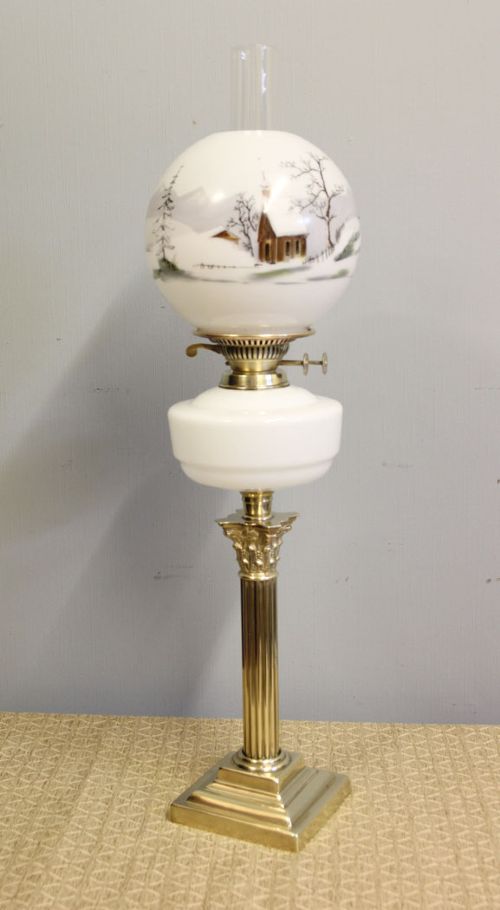
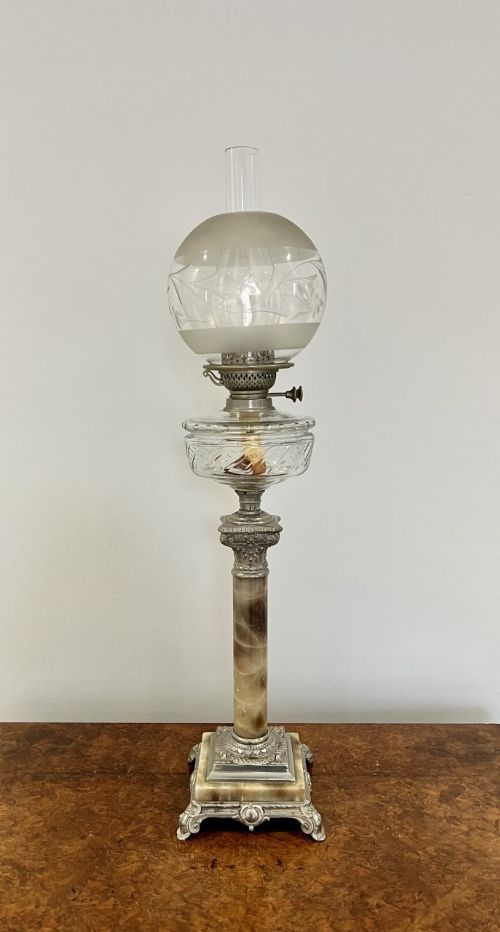
Decorative table lamps cover an array of lighting fixtures and converted vessels spanning the nineteenth century through the art deco period. Buyers hunting for decorative table lamps will encounter oil lamps, ceramic vases adapted for lighting, and sculptural cast metal bases originating from British, French, Japanese, and American makers.
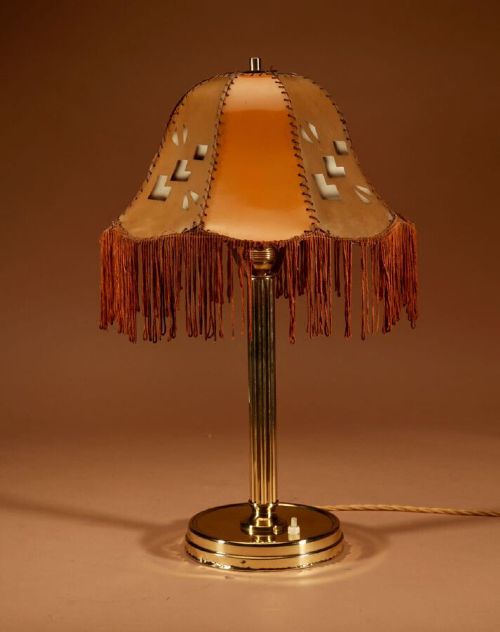
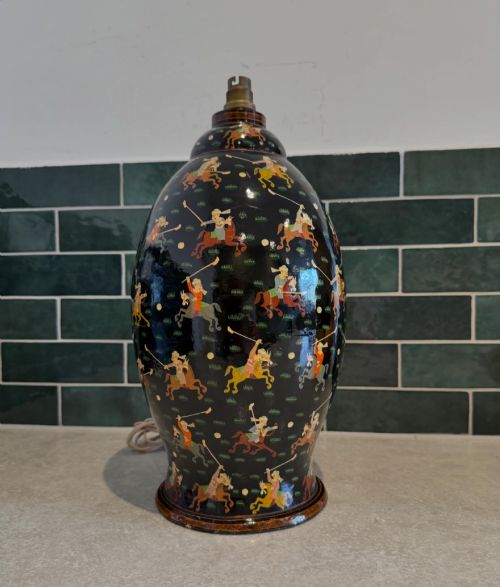
Period grouping ranges from Victorian designs and Edwardian brass work to French neoclassical styles and art deco cubism. Many pieces reflect international influences such as Japanese bronze lanterns and Kashmiri painted papier-mache.
What varies in quality
Quality rests in the crispness of the casting detail on bronze and brass mounts, and the fineness of hand-painted decoration on porcelain and ceramic bodies. Superior examples display careful integration of electrical fittings without compromising the original vessel.
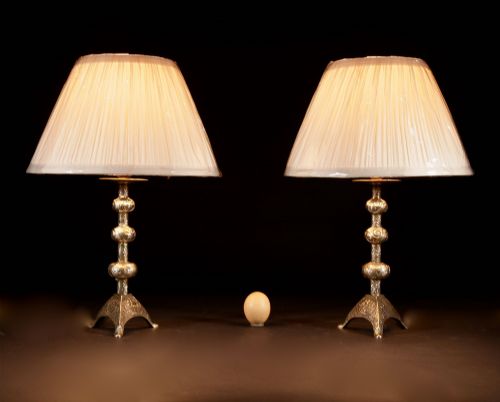
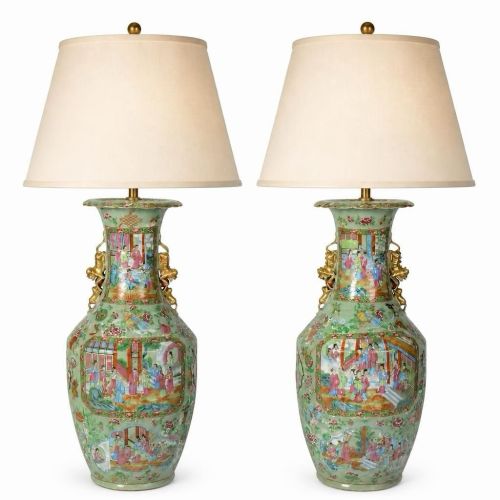
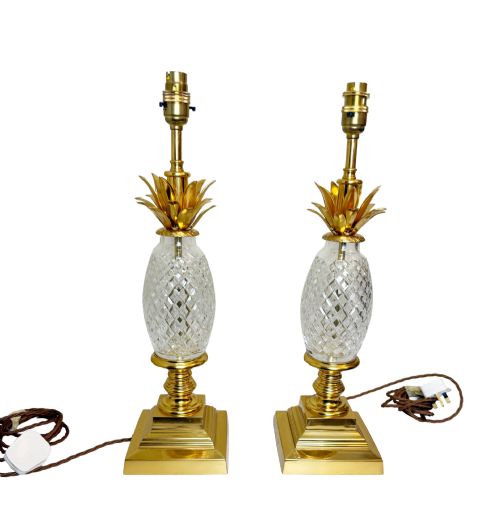
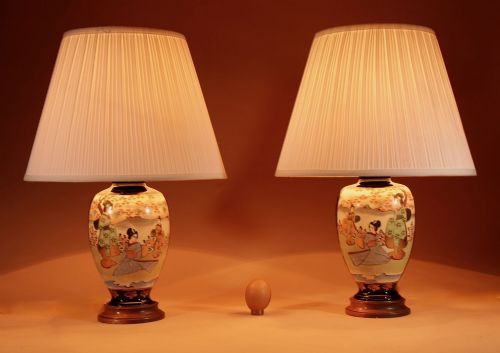
The presence of matching pairs elevates a piece, particularly in cast iron animal figures, crystal pineapple lamps, and Satsuma vases. Materials such as solid onyx, heavy cut crystal, and original hand-etched glass shades distinguish standard production from exceptional works.
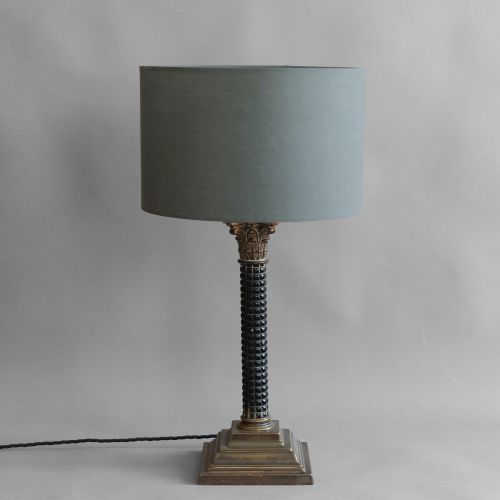
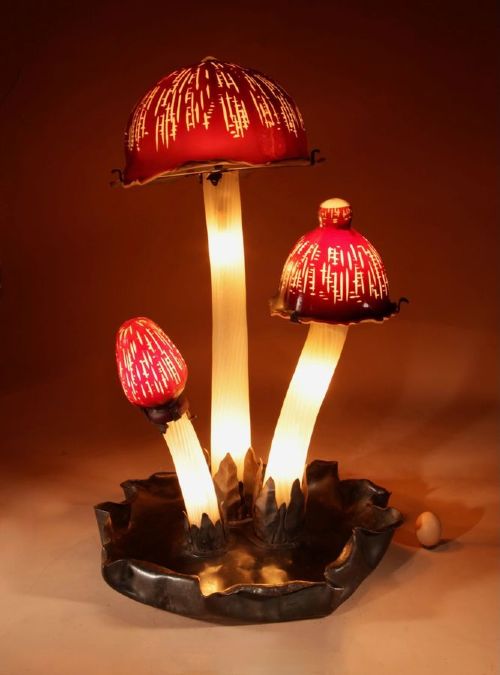
Common forms include Corinthian column brass bases, glass mushroom lamps, and ceramic vases converted from earlier household vessels.
Hicks and Meigh·Royal Worcester·Moorcroft Art Pottery·Sitzendorf·Charles Schneider·Georges Leleu
The Decorative Table Lamps Glossary
- Pate sur pate
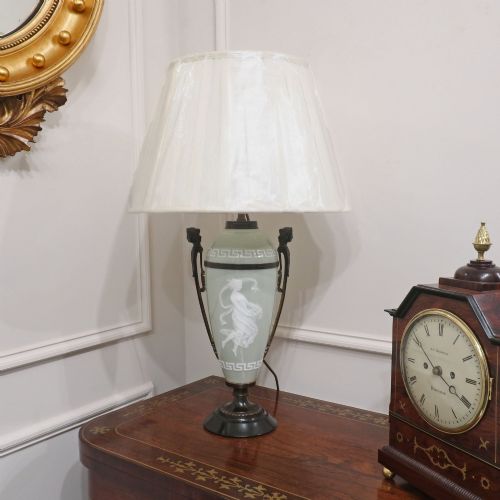
- A ceramic decorating technique where wet white porcelain slip is built up in successive layers on a coloured clay body to create a low relief cameo effect. This method appears on fine French neoclassical porcelain lamp bases.
- Champleve
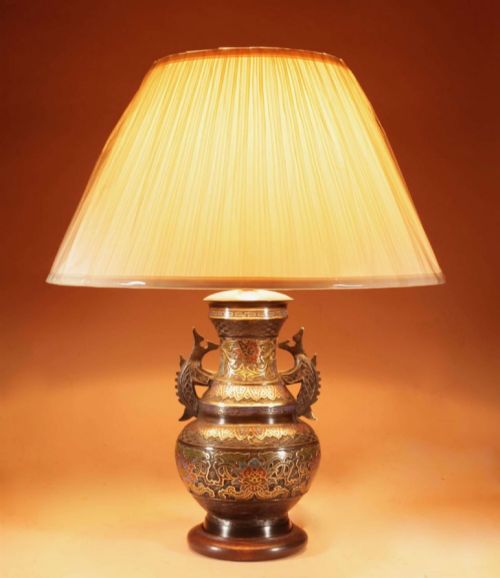
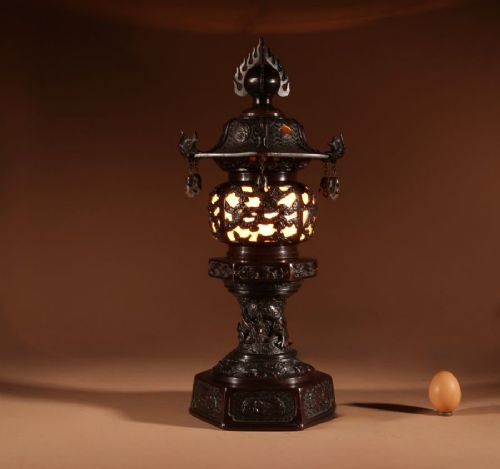
- An enamelling technique where troughs are gouged out of a metal surface, filled with vitreous enamel powder, and fired until smooth. Japanese bronze lamps frequently utilise this technique for intricate surface patterns.
- Ormolu
- Gilt bronze ornamentation applied to furniture, clocks, and lighting fixtures during the eighteenth and nineteenth centuries. The process involves creating a mercury and gold amalgam finish on cast bronze.
- Andirons
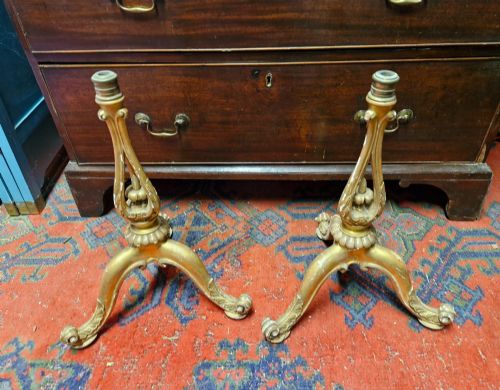
- Iron fire dogs used to support logs in an open hearth, which are occasionally repurposed into sturdy table lamps such as cast iron owl figures.
Decorative Table Lamps: Frequently Asked Questions
What is a converted oil lamp?
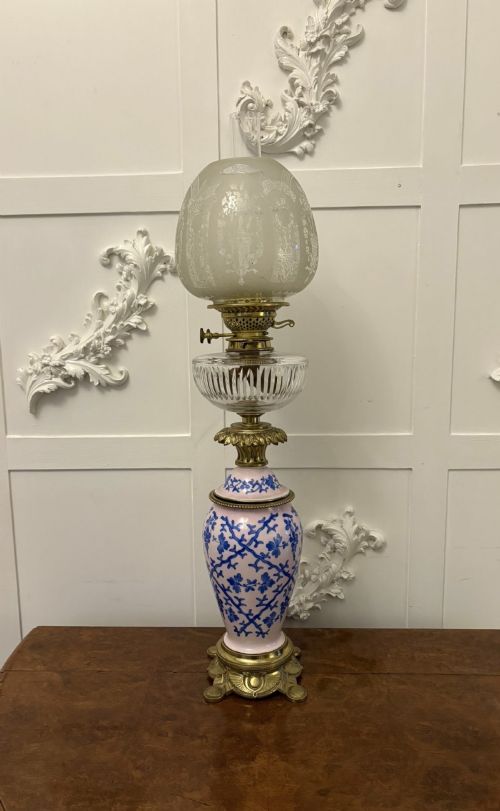
A converted oil lamp is an antique lighting piece originally designed to burn paraffin or oil that has been safely rewired for electricity. The original burner mechanism is typically adapted to hold a lamp holder while preserving the glass font and decorative base.
These pieces retain their period character, including etched glass shades and hand-painted ceramic reservoirs, making them suitable for modern interiors.
How do I date an antique table lamp?
Dating relies on stylistic markers, manufacturing materials, and the original function of the object before conversion. Victorian pieces often feature heavy brass columns or ornate porcelain figural groups, whereas nineteen twenties examples showcase art deco geometric lines or mottled glass.
Examining the metal casting quality, wiring channels, and any maker marks on the base helps narrow the decade of production.
Can I replace the lampshade safely?
Replacing the lampshade is straightforward provided the fitter size matches the lamp holder or the shade carrier. Traditional oil lamps often require specific shade ring sizes to secure glass globes or fabric shades properly.
Choosing a shade that complements the scale and period of the base ensures the proportions remain balanced.
Are converted vases fragile?
Vases converted into lamps, such as ironstone or Satsuma vessels, are generally robust but require careful handling during cleaning and relocation. The primary structural weight sits in the ceramic body and added weighted base.
Placement away from busy household traffic prevents accidental knocks to protruding handles or delicate applied decoration.