


Green Glass Lamp
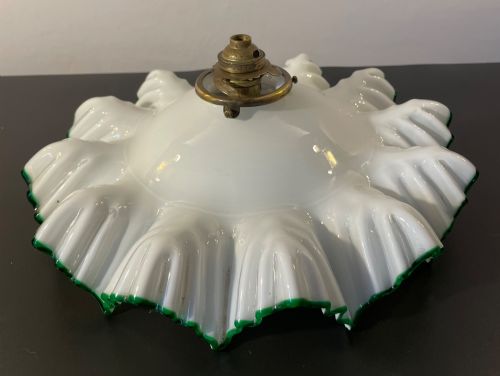
A green glass lamp brings a distinct botanical warmth to a room, casting a rich coloured glow through period oil fonts, bankers' shades and textured shades.
Green Glass Lamp
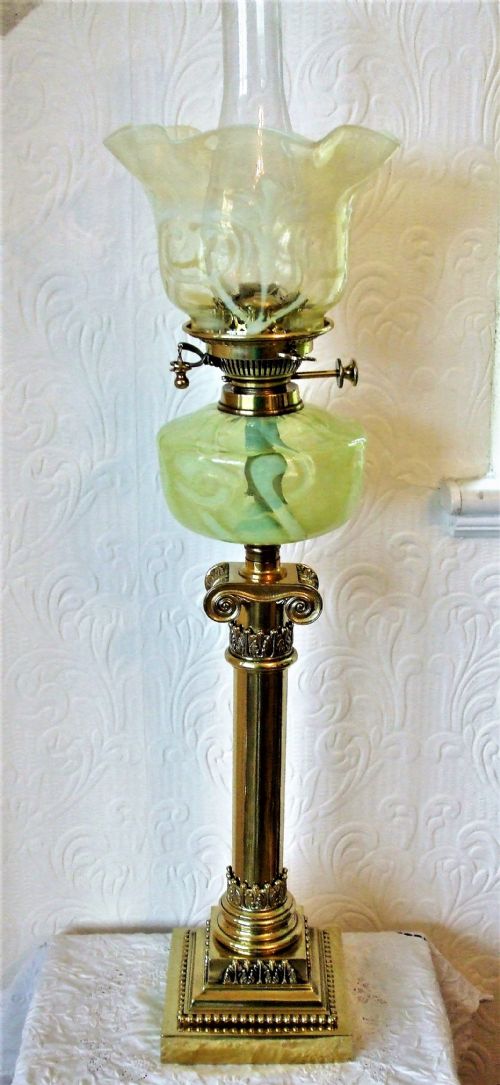
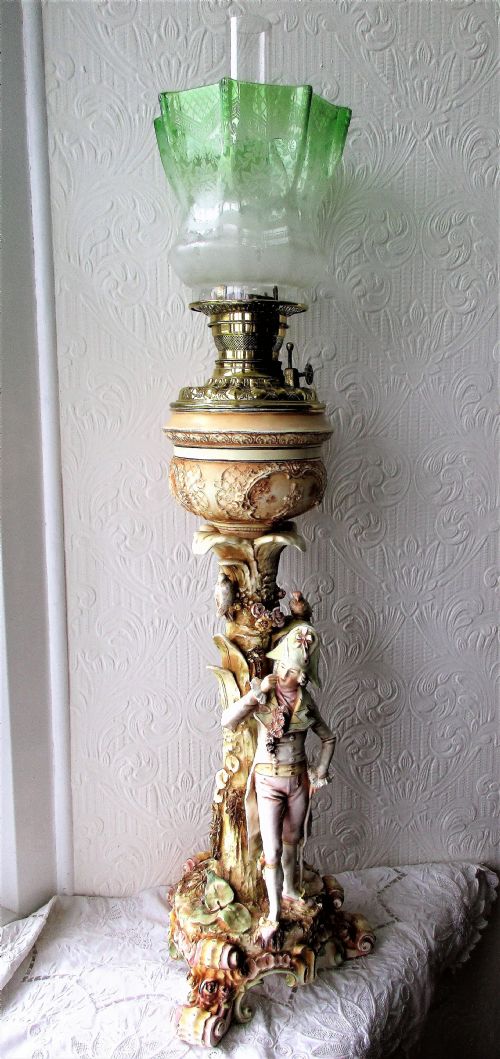
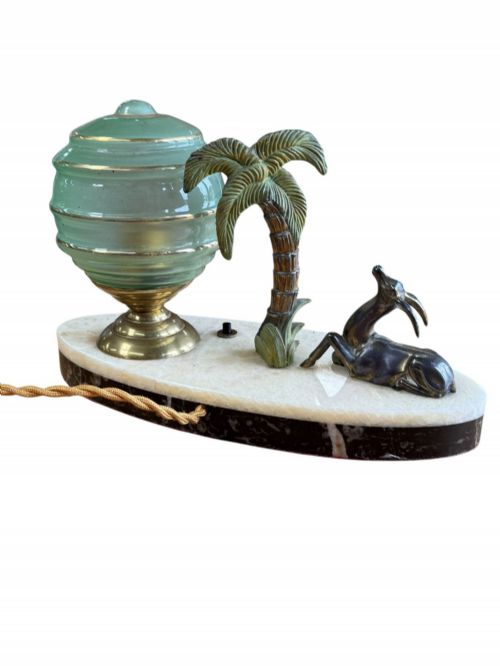
When you search for a green glass lamp, you encounter a diverse gathering of lighting fixtures spanning the nineteenth century through the art deco era. These pieces include tall brass oil lamps with emerald glass reservoirs, heavy cast iron desk lamps, and delicate frilled shades designed for gas or paraffin conversion.
The Victorian period dominates the selection, particularly through oil lamps featuring opaline or tulip-shaped glass shades mounted on brass and cast iron columns. Alongside these, early twentieth-century examples bring utilitarian banking tasks and decorative art nouveau styling into domestic spaces.
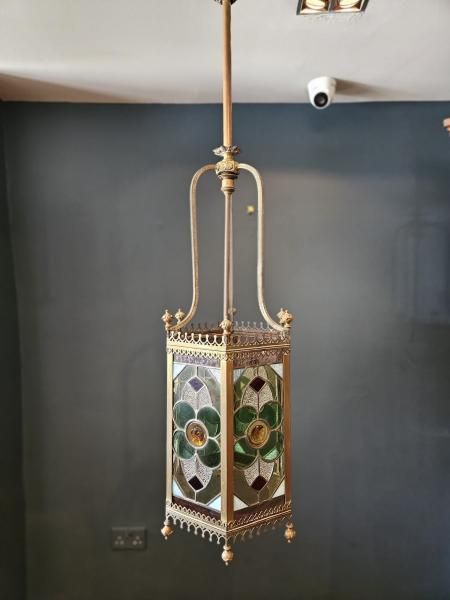
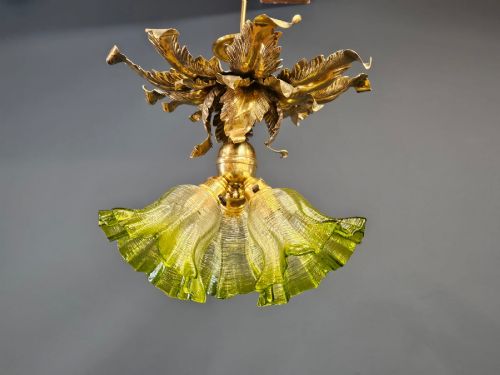
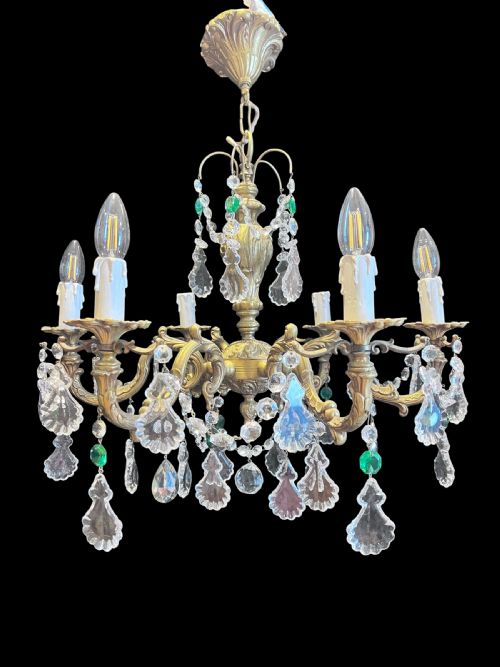
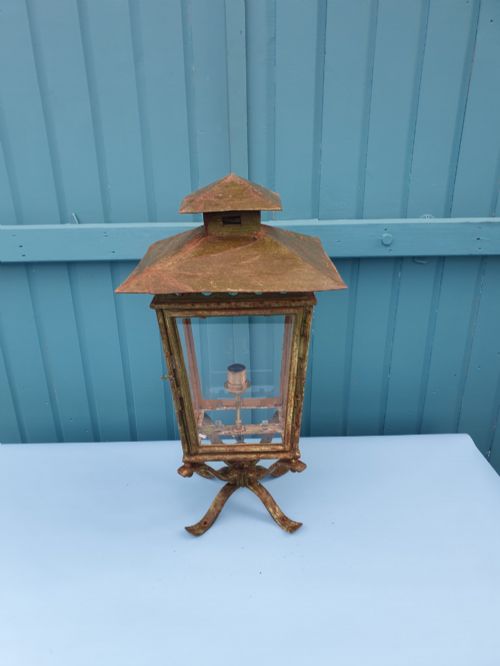
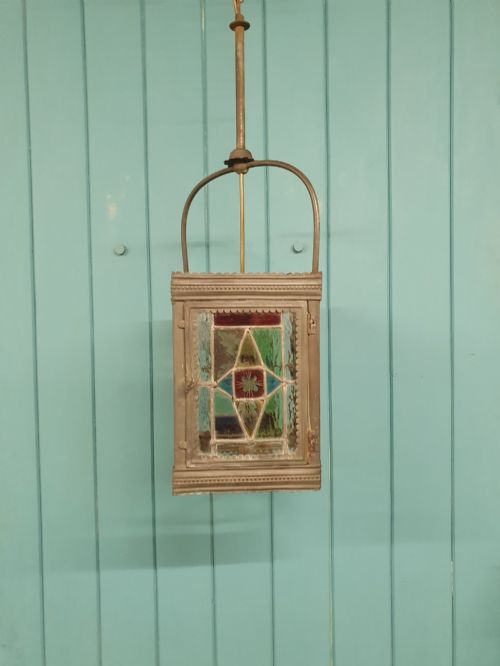
Forms vary considerably from hanging ceiling pendants and hall lanterns to miniature table lamps and ornate mantel lustres. The enduring appeal lies in the way the green tint diffuses artificial light into a calm, steady ambience.
How they were made
Makers combined blown and moulded glass with heavy cast metals such as brass, bronze, copper, and iron to give these fixtures stability and structure. Bases frequently incorporate marble, alabaster, or ormolu mounts to elevate the visual weight of the metalwork.
Glass components range from smooth satin and opaline finishes to deep-toned leaded panels and textured fruit or grape motifs. Metal frames utilise structural casting, patination, and silver plating to house the oil fonts and electrical conversions securely.
A solitary marble dog steadfastly guards a nineteenth-century table lamp base, proving that Victorian domestic lighting appreciated a touch of canine companionship.
What varies in quality
The distinction between standard production and superior examples rests on the depth of the metal casting and the crispness of the glass moulding. Finer pieces display substantial brass components with intricate leaf or figural detail rather than lightweight pressed sheet metal.
The integrity of the glass itself defines the upper tier, marked by rich, consistent colour distribution through the body rather than superficial surface tinting. Matching original shades and bases, especially in complex oil and duplex systems, command greater appreciation from collectors.
Hinks
The Green Glass Lamp Glossary
- Duplex
- A type of oil burner mechanism utilising two flat wicks side by side to produce a brighter flame. This system requires a specific wider gallery and shade fitting.
- Peg lamp
- A small oil lamp featuring a solid glass or metal projection beneath the font that drops directly into a candlestick or base socket. They were frequently produced in matched pairs for mantle display.
- Opaline glass
- An opaque or semi-translucent glass made by adding bone ash or metal oxides to the melt. It diffuses light softly while retaining a distinct milky colour.
- Mantle lustre
- A decorative ornamental vase or urn hung with cut glass prisms designed to catch and reflect ambient light. They date principally from the Victorian period.
- Campana urn
- A bell-shaped vessel with a flaring rim and footed base, often utilised as the architectural support for nineteenth-century table lamps.
Green Glass Lamp: Frequently Asked Questions
What fuels did original green glass lamps use?
Most nineteenth-century examples functioned as oil or paraffin lamps utilising burners from makers like Hinks. They burned hydrocarbon fuels to produce steady illumination before widespread domestic electrification.
Many surviving pieces have since been professionally converted to electricity while retaining their original brass collars and font assemblies.
How do I identify a Victorian green glass lamp?
Victorian pieces typically feature heavy cast brass or iron bases paired with deep green opaline or tulip-shaped glass shades. Look for period construction methods such as threaded metal collars and hand-finished pontil marks on blown glass elements.
Proportions tend to be robust, designed to support heavy oil fonts safely on dining tables or sideboards.
Are bankers desk lamps adjustable?
Many early twentieth-century examples incorporate swan neck arms or adjustable brass fittings to direct the light downward. This functional design was favoured for office and library desks where focused illumination was essential.
The iconic green shade shields the eyes while casting a concentrated beam onto paperwork.
How do I care for antique glass shades?
Clean the glass gently using lukewarm water and mild soap, avoiding harsh chemical abrasives that can damage historic patination or surface finishes. Take care with frilled or delicate edges during handling.
Inspect brass and bronze mounts periodically to ensure structural connections remain secure without over-tightening metal screws.