







Decorative Room Divider
A decorative room divider organises a space and commands the eye, drawing on centuries of craftsmanship from European and Asian workshops.
Decorative Room Divider
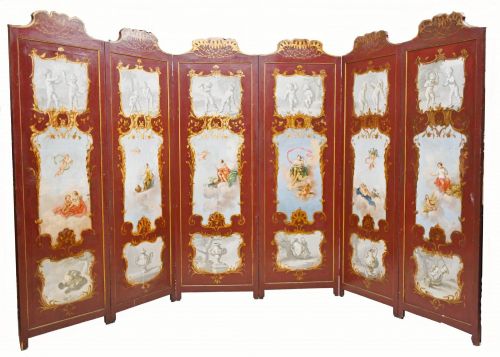
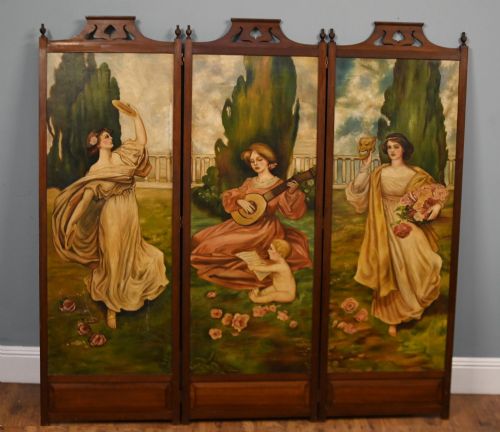
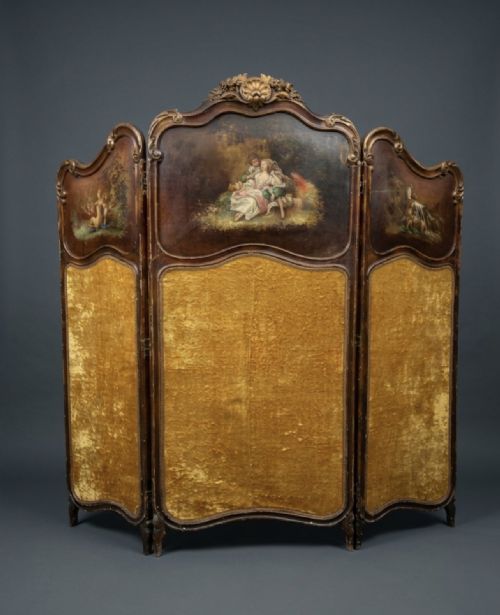
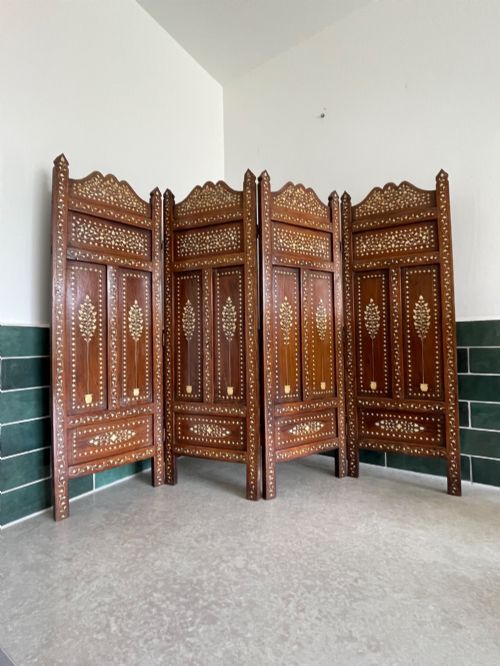
A decorative room divider functions as a movable partition or a static focal point, appearing in forms ranging from three-fold and four-fold folding screens down to modest table screens and fire screens. These pieces stem from various periods including the eighteenth, nineteenth, and early twentieth centuries, reflecting both European revival styles and traditional Eastern craftsmanship.
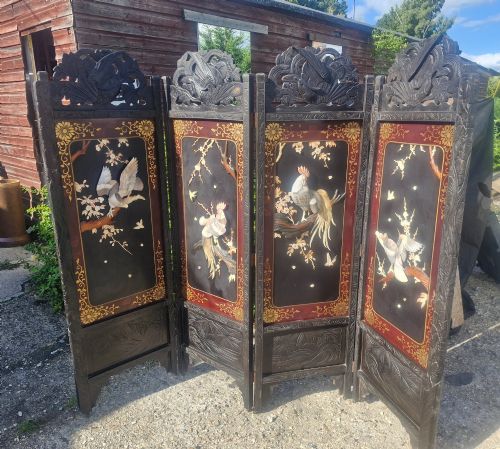
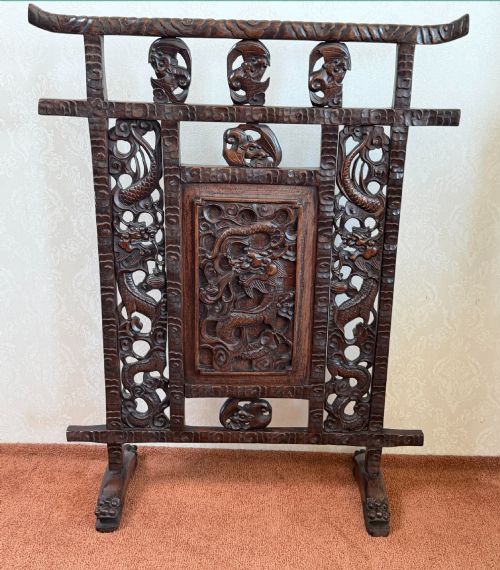
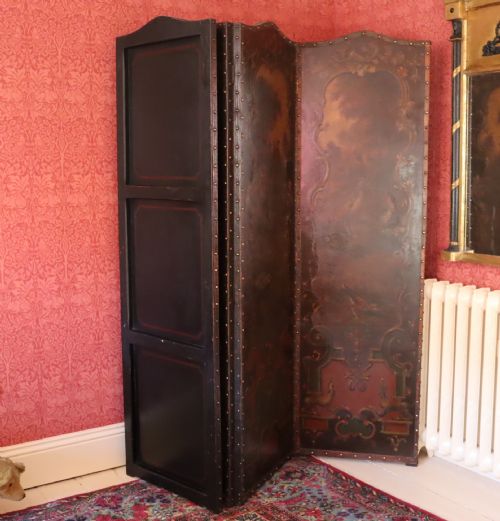
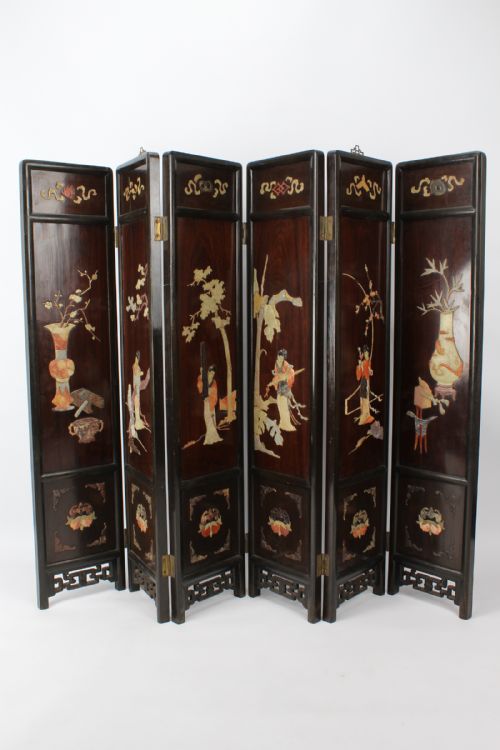
The versions most commonly met on this page are multi-panel folding screens utilising wood, leather, or lacquer surfaces. Examples span French walnut frames, Chinese hardwood structures, and Japanese textile or bone-inlaid panels, often deployed to zone open areas or to decorate a corner.
Distinctions in Quality
Quality rests in the execution of the surface decoration and the integrity of the joinery between panels. Hand-painted leather with gilt embossing or finely carved hardwood demands advanced artisan skill that elevates a standard partition into a work of art.
The depth and clarity of applied details, such as bone inlay, hardstone mounting, or textile choice like William Morris velvet, separate standard utility screens from exceptional collector pieces.
Decorative Room Divider Retail Price Guide 2026
Typical asking prices for decorative room divider among the pieces listed under this phrase on Sellingantiques today, from the lower quarter to the upper quarter. They describe what is for sale here now, not the wider market.
Listings feature pieces spanning the eighteenth, nineteenth, and early twentieth centuries, utilising materials from carved hardwood and brass to oil-painted canvas and leather.
Paul Sormani·William Morris
The Decorative Room Divider Glossary
- Chinoiserie
- European interpretation and imitation of Chinese and East Asian artistic traditions, often seen in lacquerwork and painted scenes on screens.
- Cordoban leather
- Heavily embossed, painted, and gilded leather historically produced in Spain, prized for rich wall hangings and screen panels.
- Modesty screen
- A small decorative screen historically used in interiors to shield occupants from draughts or to provide privacy near a fireplace or dressing area.
- Fire screen
- A small ornamental screen placed in front of a fireplace grate when not in use to block unappealing hearth interiors.
- Hardstone
- Semi-precious stones such as jade, agate, or jasper carved and mounted onto lacquer panels for decorative relief.
Decorative Room Divider: Frequently Asked Questions
How do I use a decorative room divider?
These pieces partition open interiors, section off dressing areas, or stand against plain walls simply as decorative art.
Position a multi-panel folding screen to catch natural light, allowing painted leather, lacquer, or textile surfaces to anchor the room's colour scheme.
What materials are common on antique screens?
Wood and leather dominate the construction, supported by brass hinges and canvas panels.
Surface ornamentation includes oil paint, lacquer, gilt embossing, silk, cotton, and inlaid bone or hardstone.
How do I date an antique room divider?
Dating relies on stylistic clues, framing timber, hinge types, and painting techniques matching periods like the eighteenth or nineteenth century.
French walnut frames and Chinoiserie lacquer reflect specific regional revivals and manufacturing periods documented in the maker details.
What is the difference between a fire screen and a room divider?
Fire screens are smaller single-panel pieces historically designed to sit on the floor before an unused fireplace hearth.
Room dividers utilise three, four, or more folding panels intended to partition floor space or screen larger areas of a room.