
Decorative Porcelain Vase
When you handle a decorative porcelain vase, you hold centuries of technical skill and artistic ambition in your hands.
Decorative Porcelain Vase
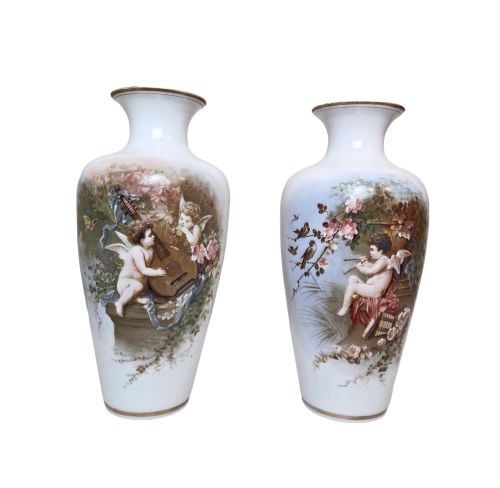
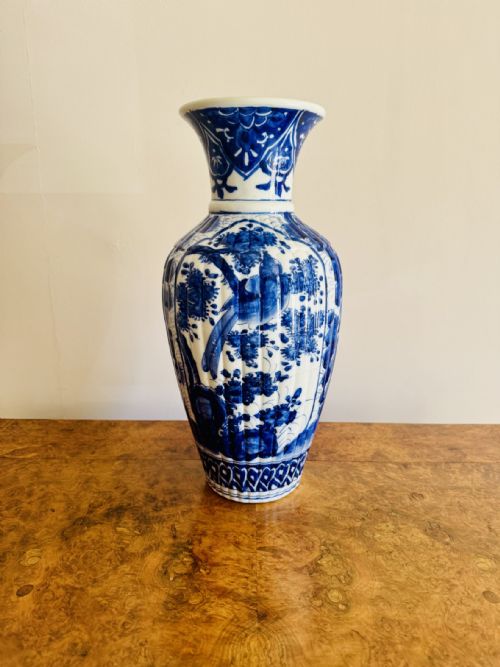
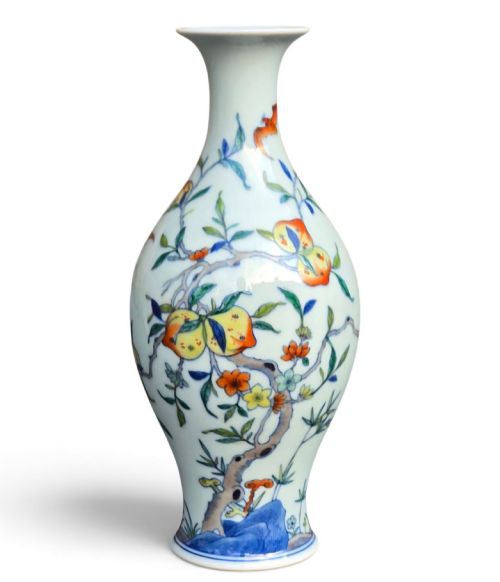
A decorative porcelain vase brings fired ceramic artistry into domestic spaces, serving as both a functional vessel for flora and a sculptural centrepiece. Collectors search for a decorative porcelain vase to introduce pattern, colour, and historical context to a room.
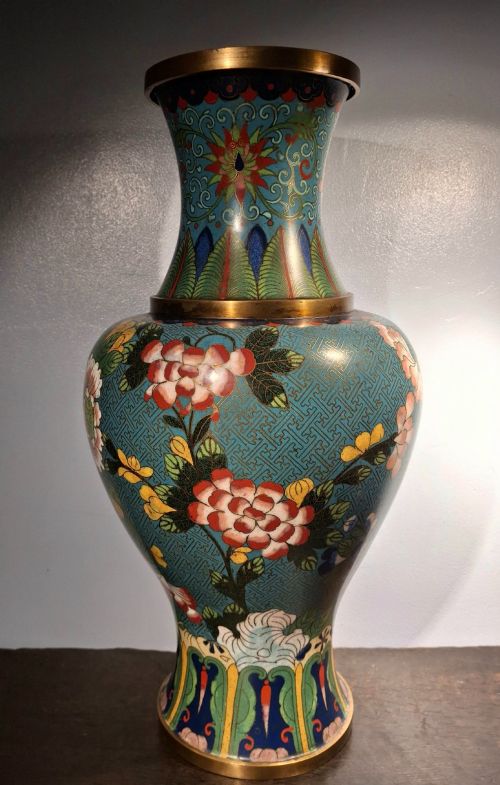
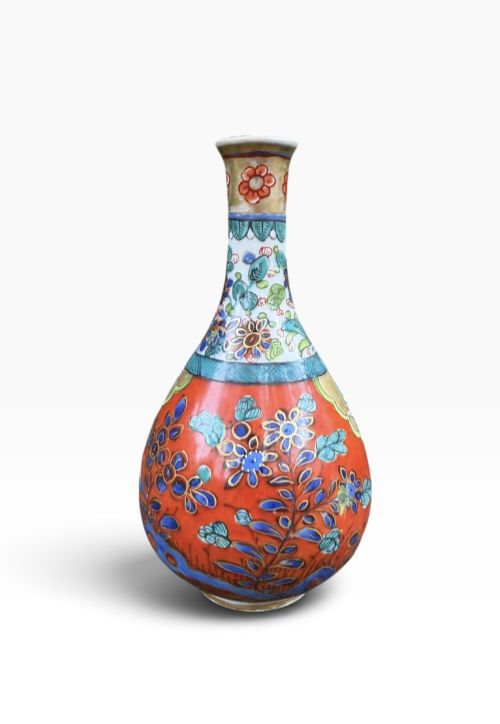
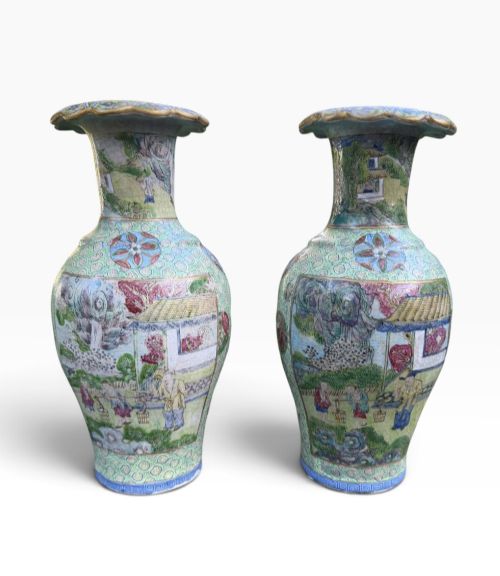
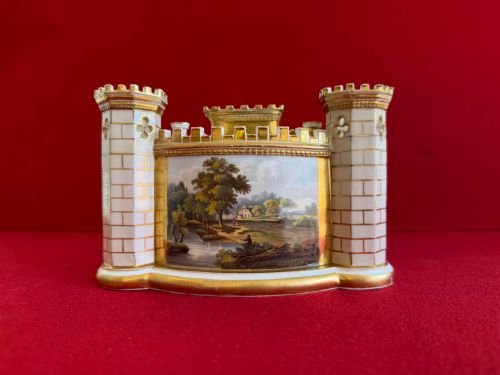
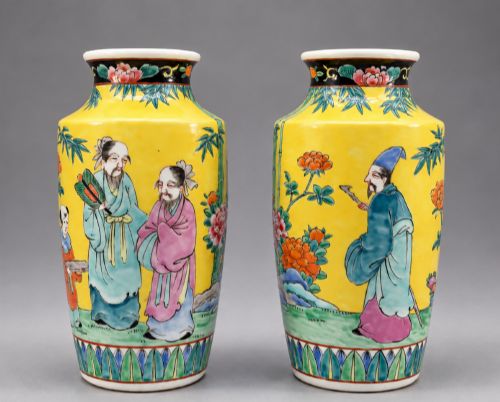
The pieces on this page span the eighteenth, nineteenth, and early twentieth centuries, drawing on English, continental European, and Asian traditions. Victorian, Edwardian, and Meiji period examples appear frequently alongside Chinese and Japanese export wares.
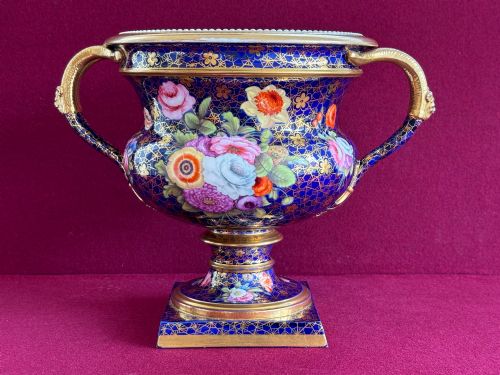
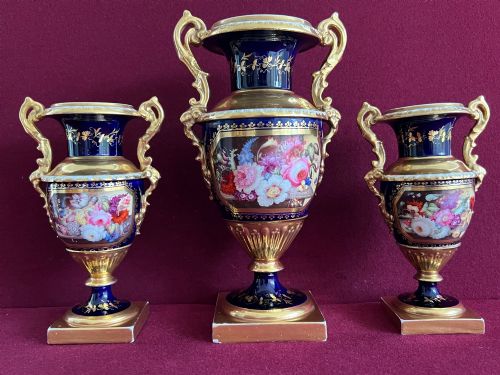
Forms vary widely from campana urns and moon flasks to ginger jars, floor-standing vessels, and pieces converted into table lamps. Many examples utilise traditional shapes like baluster profiles and twin-handled urns designed to command attention on a mantelpiece or side table.
Materials and construction
Makers shaped refined porcelain, earthenware, and ironstone bodies on the wheel or pressed them into moulds before firing at high temperatures. Artisans then applied delicate enamel colours, underglaze blue, and hand-painted motifs directly to the ceramic surface.
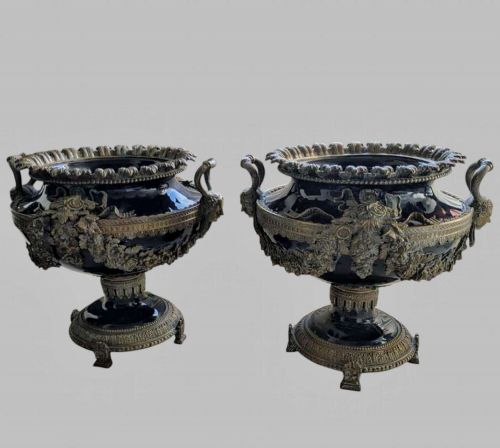
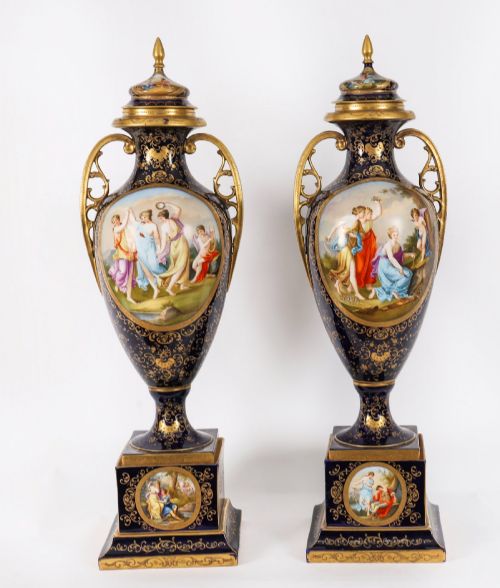
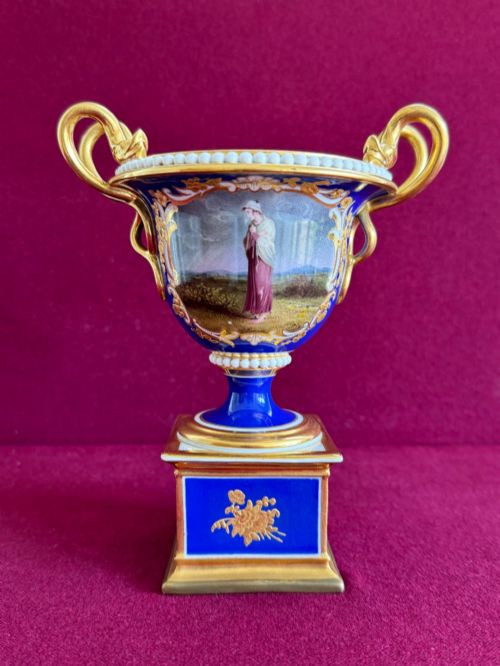
Many European and Asian vessels incorporate rich gilding, gold leaf, and elaborate enamel decoration that catch the light. Bronze and ormolu mounts, frequently cast in gilt bronze, provide structural framing and decorative handles for porcelain bodies.
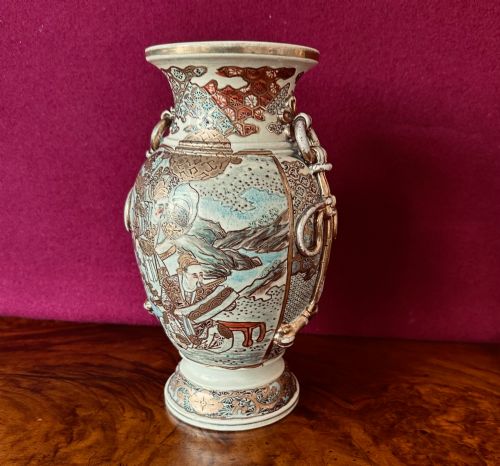
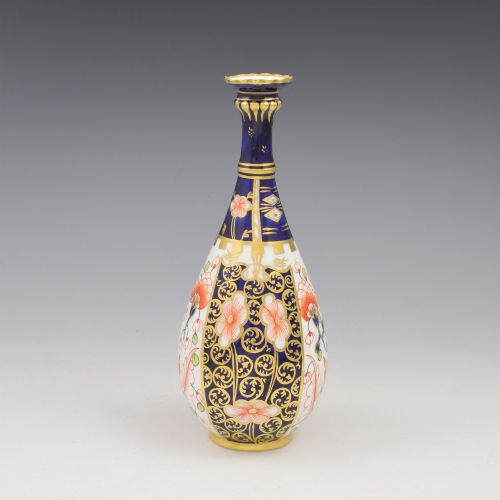
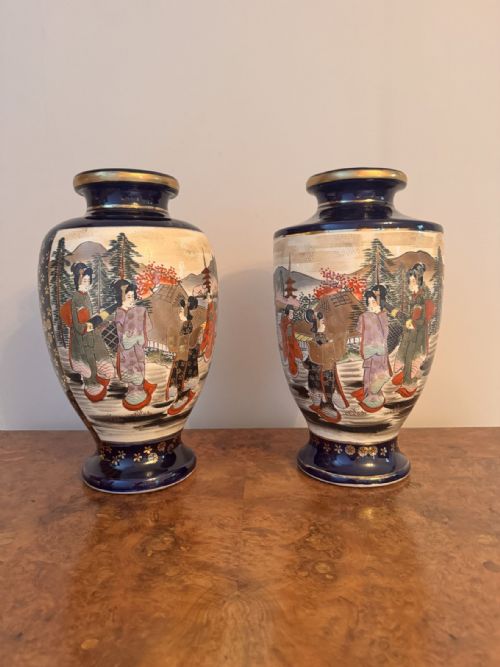
The inventory includes Japanese Imari, Satsuma, and Kutani wares alongside European manufactories such as Sèvres, Worcester, and Wedgwood.
Assessing quality and craftsmanship
Quality rests in the crispness of the porcelain body, the precision of hand-painted brushwork, and the harmony of the glaze. Finer pieces display meticulous detail in facial expressions, floral motifs, and gilded accents executed by named artists or established manufactories.
The integration of metal mounts, such as gilt bronze trim on Sèvres-style vessels, reveals the skill of the bronze worker. Superior craftsmanship ensures that handles, lids, and mounts fit the ceramic form with absolute precision.
Royal Crown Derby·Flight, Barr and Barr·Royal Worcester·Wedgwood·Helena Wolfsohn Dresden
The Decorative Porcelain Vase Glossary
- Porcelain
- A hard, white, translucent ceramic fired at very high temperatures. It forms the impermeable vitreous base for most fine decorative vases.
- Imari
- A traditional Japanese style of ceramic decoration featuring deep underglaze blue and iron red, often highlighted with gold. This aesthetic heavily influenced European manufactories.
- Ormolu
- Cast brass or bronze that has been finished with a gold-wash or mercury gilding process. It frequently appears as decorative mounts on nineteenth-century European vases.
- Baluster
- A vase profile characterised by a rounded lower body that tapers towards a narrow neck and flaring rim. This classical silhouette provides stability and visual balance.
- Garniture
- A matched set of three or more vases designed to be displayed together on a mantelpiece or sideboard. These sets often comprise graduated sizes or alternating vessel shapes.
Decorative Porcelain Vase: Frequently Asked Questions
How do I date a porcelain vase?
Examine the base for factory marks, pattern numbers, and impressed ciphers that correspond to known operating dates. Stylistic clues such as colour palettes, glaze types, and mounting styles also help narrow down the period of manufacture.
Compare the physical weight, translucency of the paste, and hand-painting techniques against documented examples from specific ceramic centres.
Were these vases made for flowers?
While some vessels served practical functions for cut flowers, many nineteenth and twentieth-century pieces were created strictly as decorative display objects. Large floor-standing vases, garnitures, and heavily gilded urns functioned as interior architecture rather than utilitarian containers.
Check the interior of the vessel for water staining or wear to determine whether it saw active service with flora.
How should I display porcelain vases?
Place heavier or taller vessels on sturdy, level surfaces away from high-traffic areas to prevent accidental tipping. Keep porcelain out of direct, prolonged sunlight to protect hand-painted enamel colours and delicate gilding from fading.
Pair contrasting forms, such as placing a ginger jar beside a slender baluster vase, to create balanced vignettes on tables or mantels.
What is the difference between porcelain and earthenware?
Porcelain is fired at much higher temperatures, resulting in a dense, vitreous, and often translucent body that does not absorb moisture. Earthenware is more porous and opaque, requiring a complete glaze layer to become waterproof.
Many listings on this page encompass both refined porcelain and robust ironstone or faience bodies.