



Decorative Porcelain Dish Centrepiece
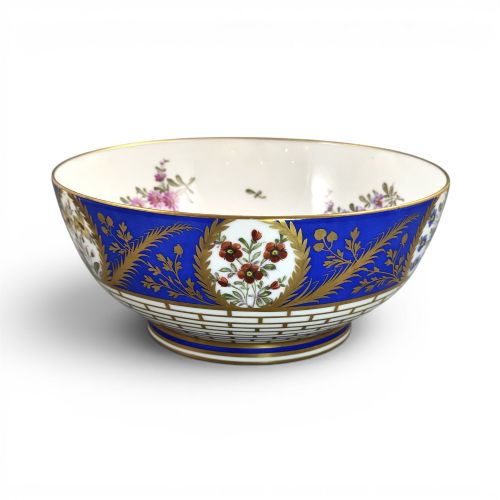
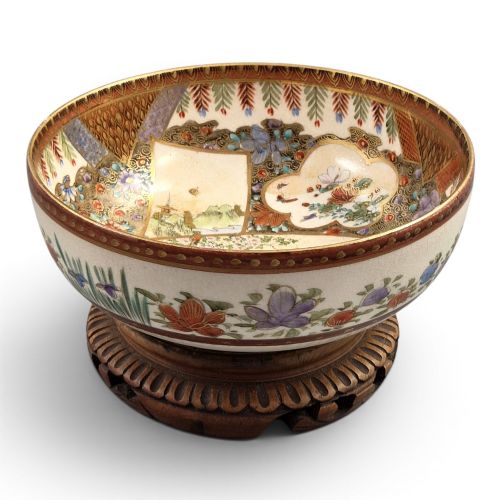
A decorative porcelain dish centrepiece anchors a table with painted scenes, gilt mounts and modelled figures drawn from Victorian, Georgian and later periods.
Decorative Porcelain Dish Centrepiece
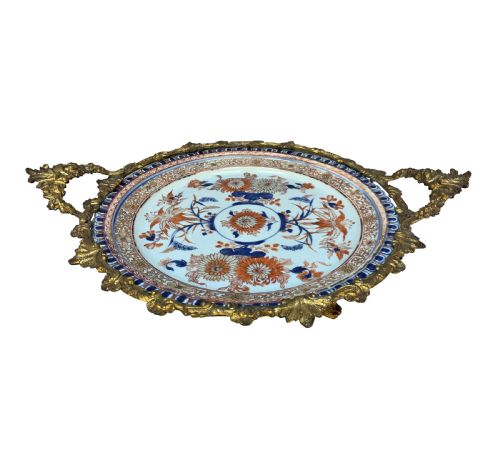
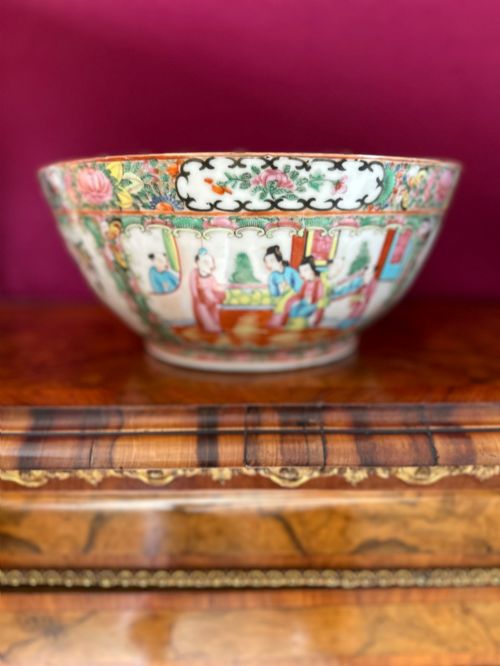
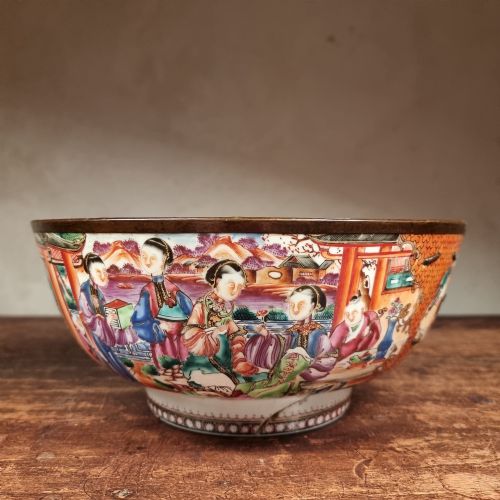
A decorative porcelain dish centrepiece takes the form of bowls, footed baskets, comports and lidded dishes designed for display or service. Buyers encounter Japanese Imari, Chinese export patterns and European factory wares spanning the eighteenth to the early twentieth century.
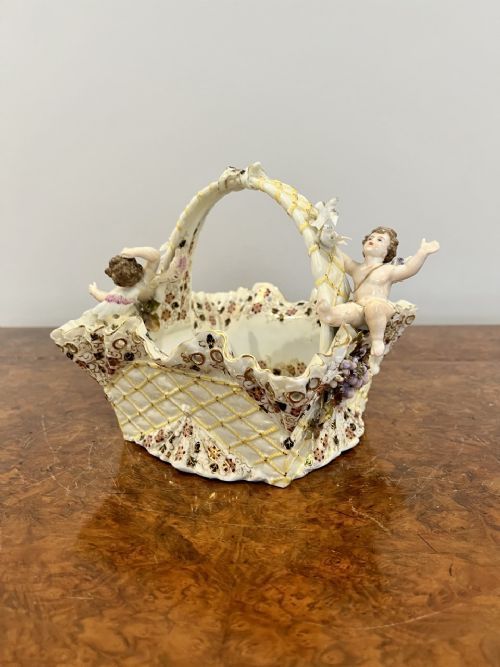
The selection ranges from large scallop-edge bowls and boat-shaped vessels to figural groupings with cherubs or bathers. These pieces originate from English, French, German and Asian kilns, reflecting distinct regional tastes in decoration.
Vessels from the nineteenth century predominate, alongside pieces from the Georgian and Edwardian eras. Forms often incorporate metal mounts, handles and stands that elevate the porcelain above the surface of a table.
Markers of Quality
The standard of execution in hand-painted details and the crispness of moulded elements separate standard wares from finer productions. Signed works by known painters or specific factory marks indicate higher levels of artisan skill.
The integration of metal mounts, such as ormolu or champlevé enamel, demonstrates the ambition of the piece. Superior items balance the fragility of porcelain bodywork with stable, well-fitted metal supports.
Listings feature porcelain, earthenware and ironstone bodies enhanced with gold leaf, enamel and glaze.
Royal Worcester·Royal Doulton·Doulton Burslem·Rockingham Porcelain·Wedgwood·Mason's Ironstone·Royal Dux·Samson Paris·Sevres
The Decorative Porcelain Dish Centrepiece Glossary
- Imari
- A style of Japanese porcelain decorated in underglaze blue, iron red and gilt. It gained popularity in European interiors during the historic trade periods.
- Ormolu
- Gilded bronze mounts applied to furniture, clocks and porcelain vessels. It provides structural support and decorative contrast to ceramic bodies.
- Famille Rose
- A palette of Chinese porcelain enamels dominated by opaque pink. The style developed in the eighteenth century and continued through later periods.
- Comport
- A raised dish or bowl used for serving fruit or sweets on a dining table. These pieces often feature pedestals or footed stands.
- Champlevé
- An enamelling technique where troughs are dug into a metal surface and filled with vitreous enamel. The resulting design is fired and polished flush.
Decorative Porcelain Dish Centrepiece: Frequently Asked Questions
How were these centrepieces used?
These vessels served as ornamental focal points on dining tables and sideboards, often holding fruit, flowers or sweetmeats during formal meals.
Over time, their role shifted primarily to display objects, showcased within reception rooms and cabinets for their artistic merit.
How do I clean an antique porcelain centrepiece?
Dust gently with a soft, dry brush to remove particles without disturbing delicate elements like flower encrustations or gilt surfaces.
Avoid soaking items, particularly those with metal mounts, champlevé enamel or hand-painted enamels, to prevent moisture damage.
How can I tell the period of a piece?
Examine the base for factory marks, painter signatures or impressed numbers that correspond to known operating dates of the kilns.
The style of the painting, the composition of the ceramic body and the presence of metal mounts also help narrow the era of production.
Are these pieces suitable for daily use?
Most antique centrepieces are intended for display rather than active service due to their delicate glazes, age and vulnerable decorative appendages.
Careful handling is required when moving them, as protruding handles, cherubs and floral encrustations are prone to chipping.