




Figural Porcelain Dish
A figural porcelain dish brings sculptural presence to a table, combining modelled figures with utilitarian vessels from the eighteenth century to the art deco period.
Figural Porcelain Dish
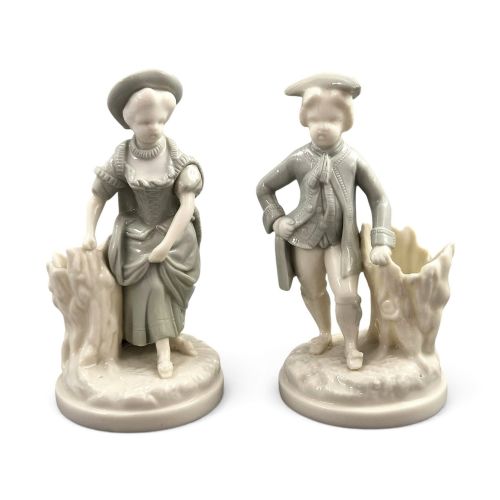
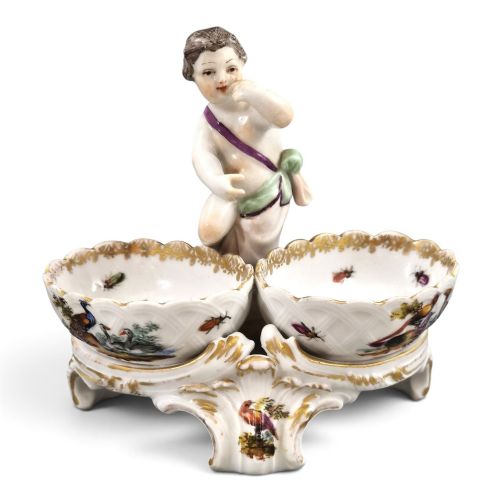
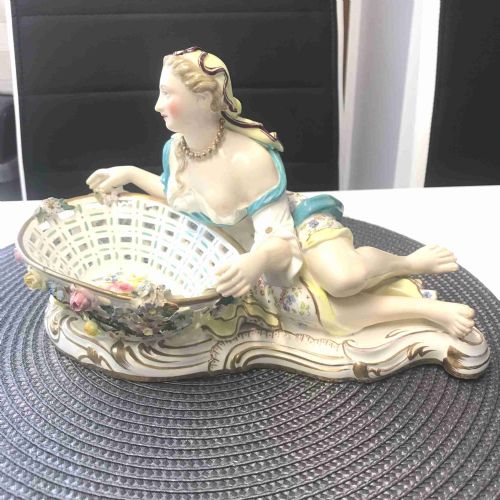
When you search for a figural porcelain dish, you encounter salt cellars, sweetmeat baskets, centrepieces, and powder boxes incorporating modelled figures. These objects range from eighteenth century European table ornaments to nineteenth century Victorian salt cellars and twentieth century continental powder bowls.
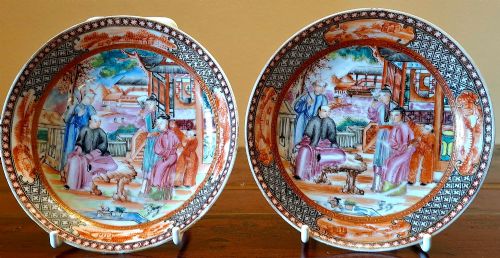
The version most likely to appear on this page is a nineteenth century continental piece, often featuring putti, cherubs, or maidens supporting shells, bowls, or wells. Alongside these European examples, Japanese and Chinese ceramics appear in charger, bowl, and plate forms across various periods.
Materials and construction
These pieces utilise porcelain, bisque porcelain, and glazed ceramic bodies, shaped by hand or moulded before firing. Manufacturers applied cobalt glaze, enamel colours, and gold leaf highlights to accentuate the modelled details.
Gilt and hand-painted decoration define the surface finish across eighteenth century European porcelain and later continental wares. The combination of glazed surfaces with unglazed bisque creates textural contrast on figural groups.
Numerous cherubs spend their days perpetually holding up heavy shells.
Evaluating workmanship
Quality rests in the crispness of the modelling and the precision of the hand-painted details on the figures. Finer examples display delicate facial expressions and careful application of enamel and gold leaf.
The integration between the figural element and the vessel distinguishes standard production from superior output. Subtlety in the glaze and harmony in the colour palette elevate the status of a piece.
KPM Berlin·Royal Dux·Minton·Limoges·Kuznetsov·Meissen
The Figural Porcelain Dish Glossary
- Bisque Porcelain
- Unglazed porcelain fired once to create a matte, porous surface resembling marble. This finish highlights the sculptural detail of modelled figures.
- Putto
- A plump, winged child figure frequently depicted in European art. These figures often support bowls or sit beside wells on table salts and centrepieces.
- Sweetmeat Dish
- A small vessel designed for confectioneries, nuts, or dried fruits. Eighteenth century examples often incorporate figural handles or baskets.
- Charger
- A large decorative plate or platter intended for display rather than service. These pieces frequently feature intricate hand-painted motifs across the surface.
Figural Porcelain Dish: Frequently Asked Questions
What is a figural porcelain dish?
A figural porcelain dish incorporates modelled human or mythological figures into the design of a bowl, salt cellar, or powder box. These pieces function as decorative table ornaments and functional vessels.
They span multiple periods, from eighteenth century European porcelain to art deco powder boxes.
How were figural dishes used?
Earlier examples served as table salts, sweetmeat baskets, or centrepieces during formal dining. Figures supported the vessels or adorned the rims to impress guests.
Later nineteenth and twentieth century pieces functioned as decorative centrepieces or vanity items like powder boxes.
How do I identify a Victorian piece?
Victorian pieces often exhibit revival styles such as rococo or incorporate elaborate figural groups supporting shells and basins. Look for the characteristic glaze and modelling techniques of the mid to late nineteenth century.
Makers from this era frequently produced salts and centrepieces featuring cherubs and bathers.
What is bisque porcelain?
Bisque porcelain is unglazed ceramic ware fired to a matte finish that resembles marble. It allows sculptural details on figures to remain sharp and unmasked by glossy glazes.
This material appears frequently on nineteenth century figural groups and table ornaments.