
Decorative Porcelain Cabinet Dish
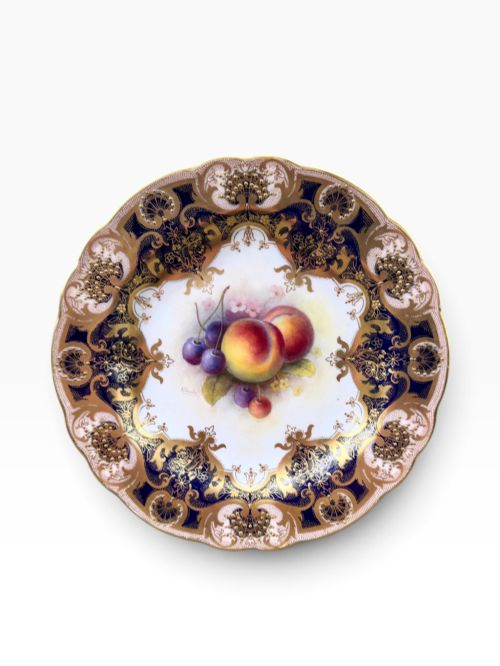
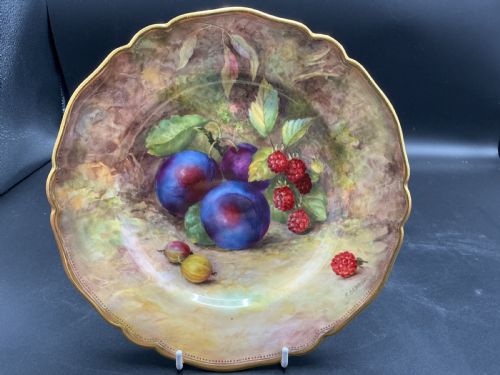
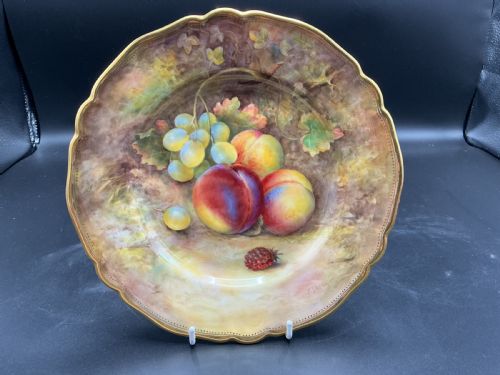
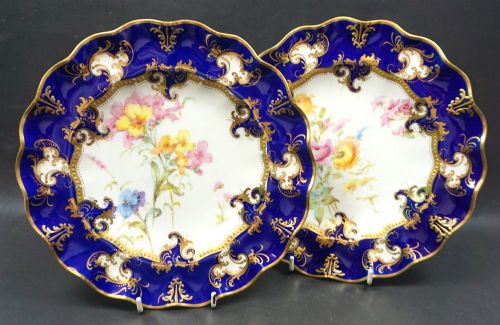
A decorative porcelain cabinet dish brings detailed hand-painted botanical studies and classical scenes into the home, designed for display rather than dining.
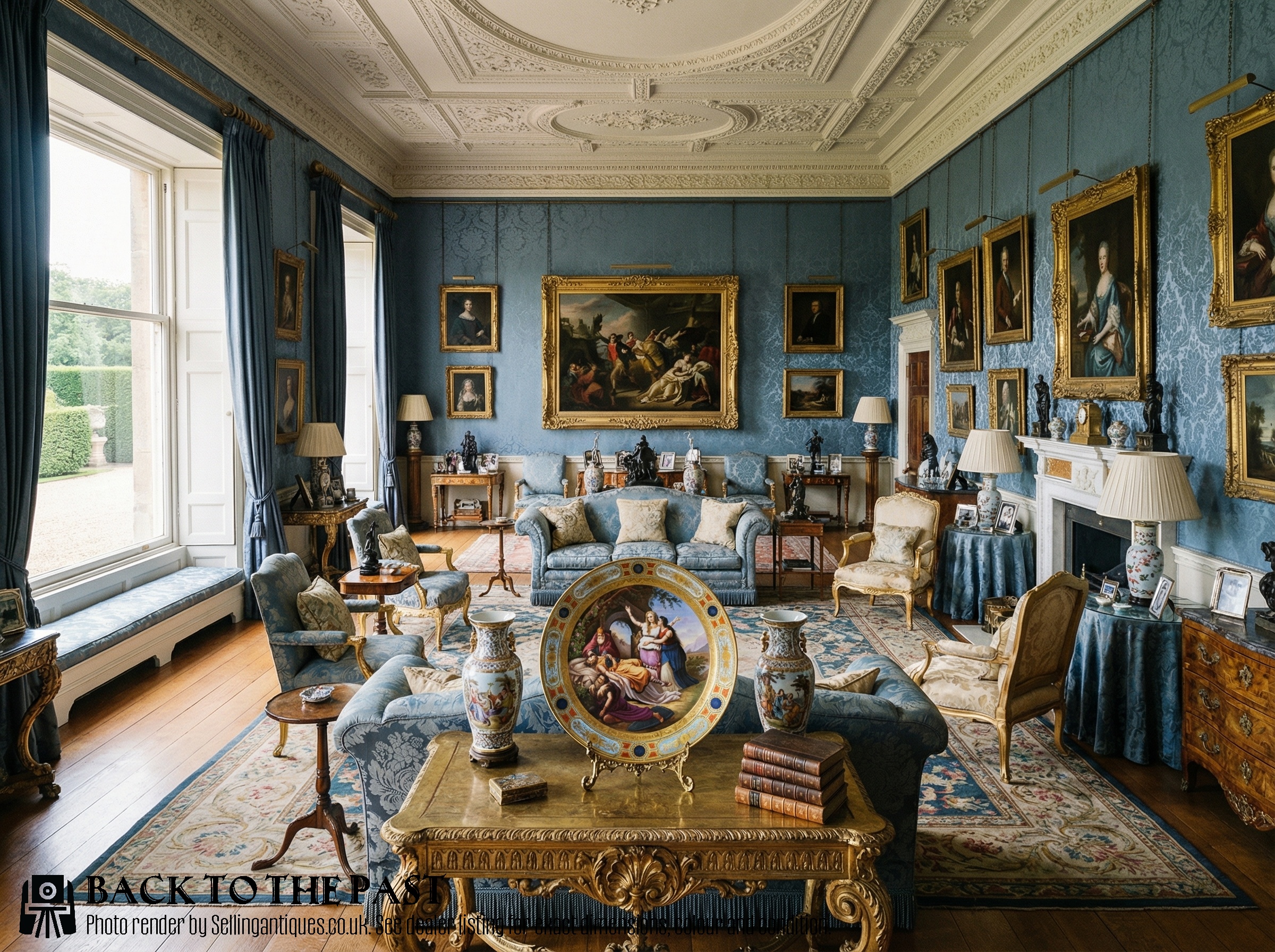
Decorative Porcelain Cabinet Dish
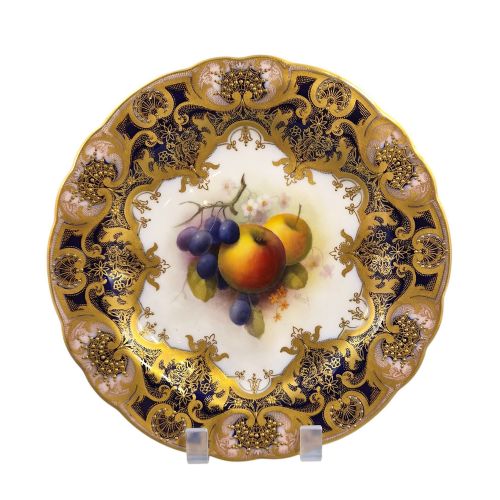
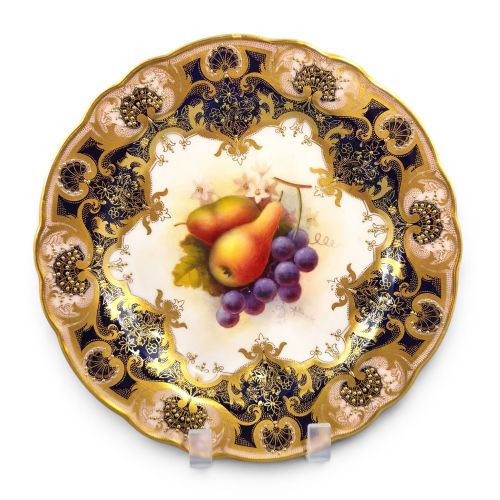
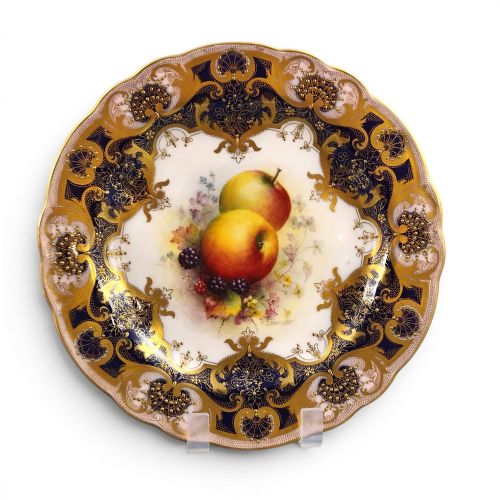
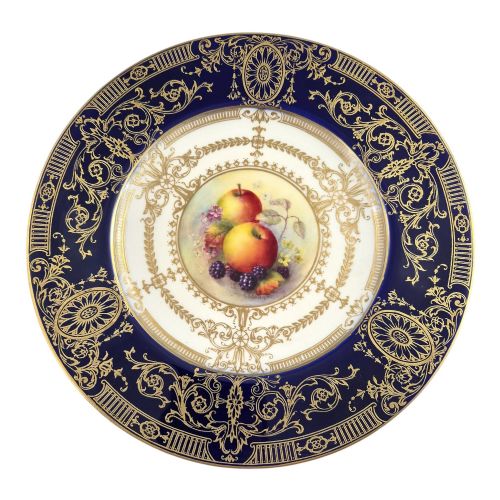
A decorative porcelain cabinet dish is a fine ceramic piece created primarily for visual display on a wall, shelf, or cabinet rather than for everyday table service. These pieces emerge chiefly from nineteenth-century English and continental factories, spanning the Georgian, Victorian, and later periods.
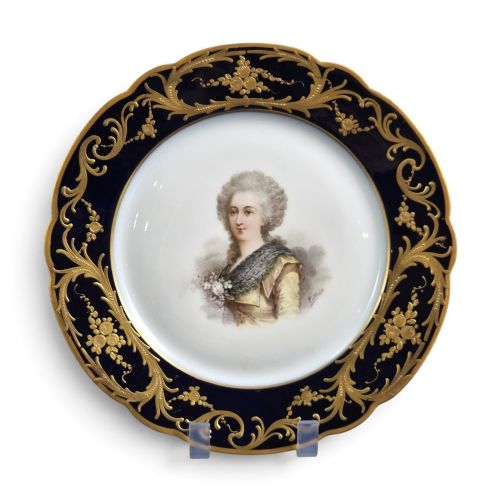
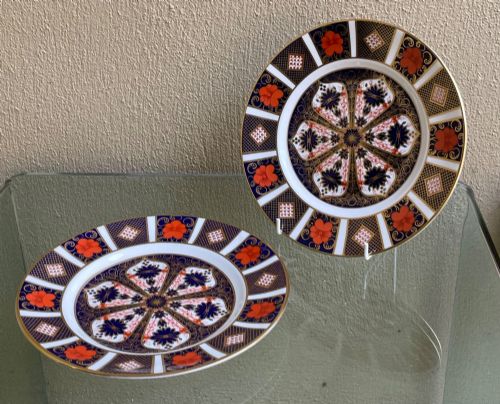
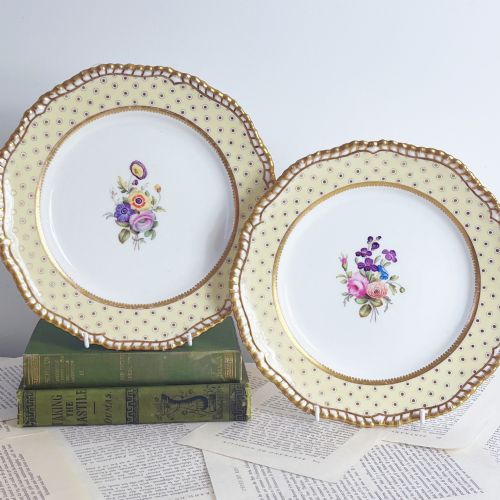
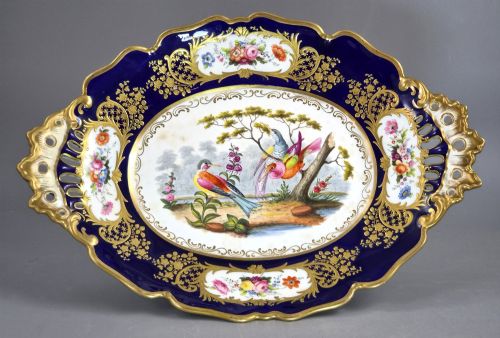
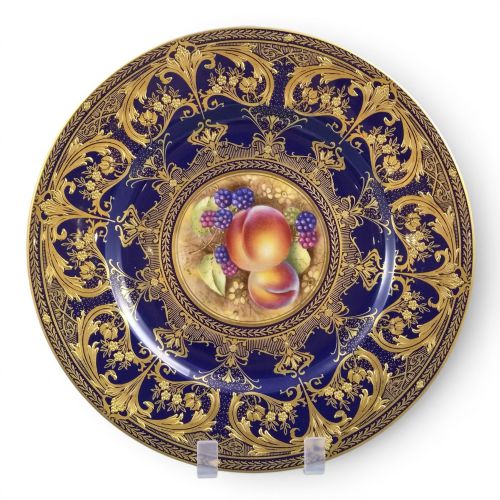
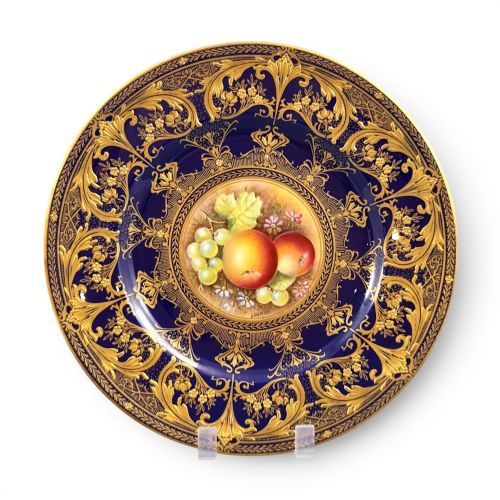
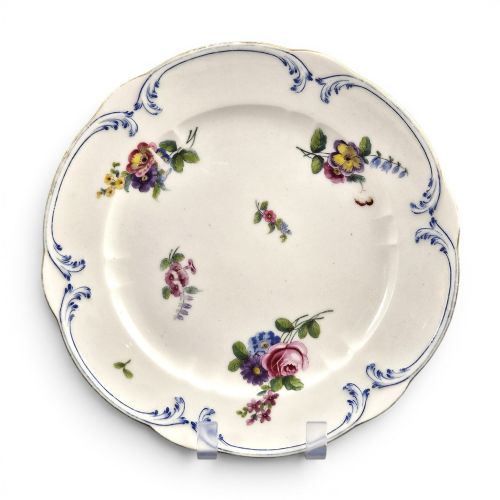
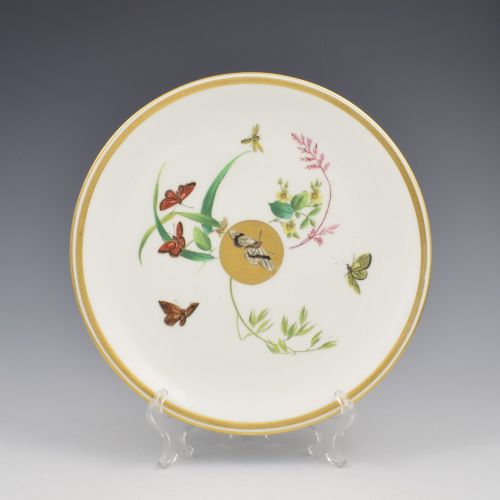
The most common examples on this page are hand-painted cabinet plates and dishes featuring botanical studies, birds, portraits, or topographical scenes. Makers utilised porcelain, bone china, and hard-paste porcelain as canvases for elaborate enamel work and gilding.
How they were made
Potters shaped fine porcelain, bone china, or hard-paste porcelain bodies before applying an initial glaze and firing the piece in a kiln. Artisans then painted intricate subjects by hand using specialised enamel colours.
Painters added gold leaf, gilding, or gilt highlights to borders and motifs before a final low-temperature firing fixed the precious metals and enamels to the surface.
The selection spans Georgian, Victorian, and Edwardian periods, featuring forms from round cabinet plates to oval trays.
What varies in quality
Quality rests upon the skill of the artist and the precision of the hand-painted details. Signed works by noted painters display a level of draughtsmanship and brush control that elevates the piece beyond standard factory output.
The richness and application of the gilding, alongside the complexity of the porcelain moulding or piercing, distinguish superior cabinet dishes from simpler production wares.
Royal Crown Derby·Royal Worcester·Royal Doulton·Coalport·Minton·Meissen
The Decorative Porcelain Cabinet Dish Glossary
- Cabinet plate
- A decorative dish made for display in a cabinet or on a wall rather than for dining. These pieces often feature elaborate painted scenes and heavy gilding.
- Hard-paste porcelain
- A durable ceramic composition fired at very high temperatures, made from kaolin and petuntse. It provides a crisp, bright white base for enamels.
- Bone china
- An English ceramic body incorporating bone ash for strength and translucency. It accepts fine enamel painting with exceptional clarity.
- Gilding
- The application of gold leaf or powdered gold to ceramic surfaces. Artisans burnish the metal to create a bright metallic sheen.
- Enamel
- Vitreous coloured glass fused to the porcelain surface during firing. It provides the vibrant palette seen on portrait and botanical dishes.
Decorative Porcelain Cabinet Dish: Frequently Asked Questions
How were cabinet dishes displayed originally?
These dishes were kept in glazed display cabinets or mounted on walls in formal drawing rooms to showcase the owner's taste and wealth. Wealthy households arranged them alongside other fine ceramics to impress visitors.
Today, collectors continue to display them on plate stands or specialised wall hangers, keeping them away from heavy everyday use to preserve the fragile enamels and gold leaf.
Can I use these dishes for serving food?
While these pieces are structurally sturdy ceramics, they are not intended for modern culinary use or dishwashers. The delicate overglaze enamels and applied gilding can wear away with frequent washing and contact with cutlery.
Owners typically reserve them strictly for visual appreciation and interior decoration, washing them only gently by hand when necessary.
How do I identify the period of a piece?
Dating relies heavily on factory backstamps, impressed marks, and stylistic clues within the painted artwork. Victorian pieces often favour rich gilt borders and dense botanical studies, while earlier Georgian examples display different paste weights and distinct border moulding.
Comparing the style of the hand-painted subject against known artist signatures and factory active dates helps narrow down the decade of production.
What is the difference between a plate and a dish?
In historical ceramic terminology, the terms often overlap, though dishes can sometimes feature slightly deeper wells, oval shapes, or specialised indentations compared to flat circular plates. Both categories were produced with the same high standard of artistic decoration for display purposes.
Collectors generally focus on the quality of the painting and the reputation of the maker rather than the specific functional shape.