





Decorative Pedestal Stand
A decorative pedestal stand elevates an object or fills an empty corner with architectural presence, drawing the eye upwards through form and material.
Decorative Pedestal Stand
A decorative pedestal stand serves primarily to elevate urns, plants, sculptures, or display pieces within a room. When searching for this phrase, a buyer encounters forms ranging from classical columns to sturdy plant stands and tall torcheres.
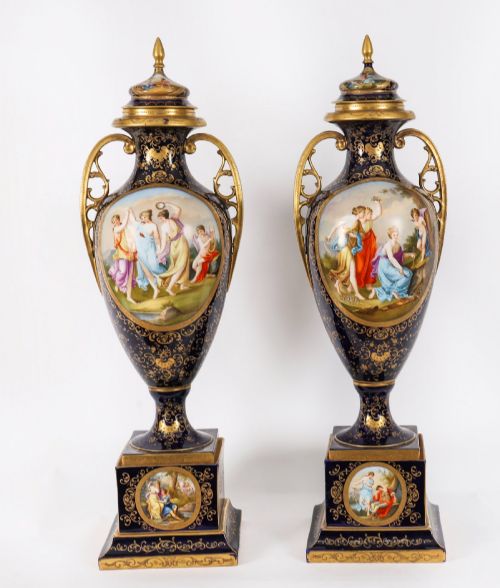
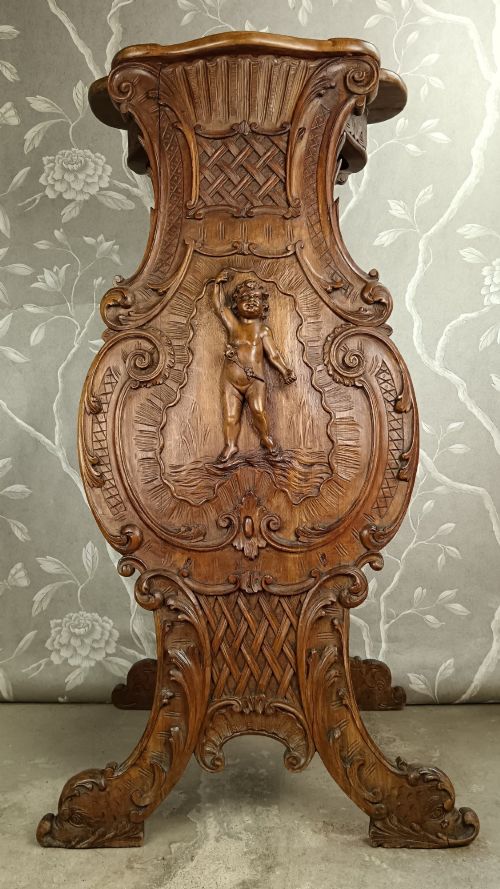
The selection here draws heavily upon nineteenth-century pieces alongside Edwardian and Art Deco examples. Walnut, carved wood, and marble frequently form the body of these supports, often paired with brass or ceramic vessels.
Origins span across English, French, Italian, and Asian workshops, demonstrating diverse aesthetic revivals from the Renaissance to the early twentieth century. Plant stands, jardiniere supports, and display columns dominate the available shapes.
How they were made
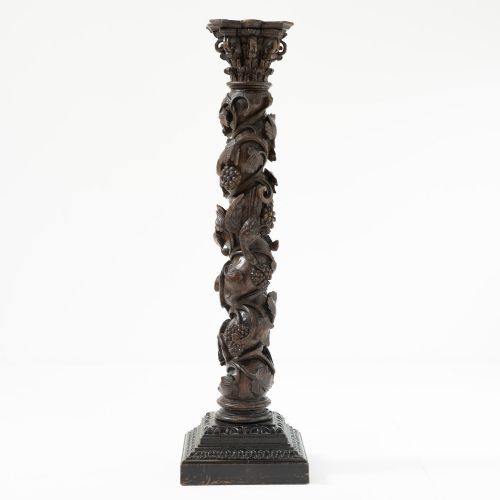
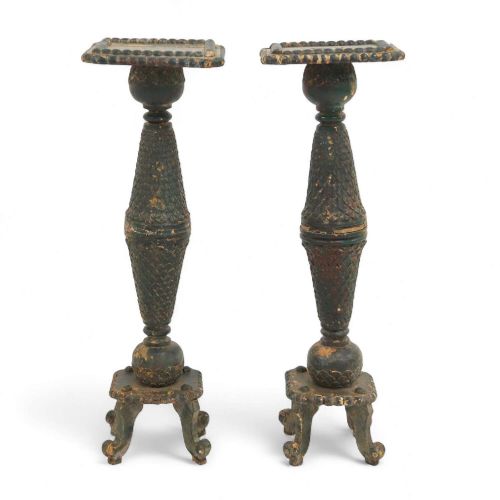
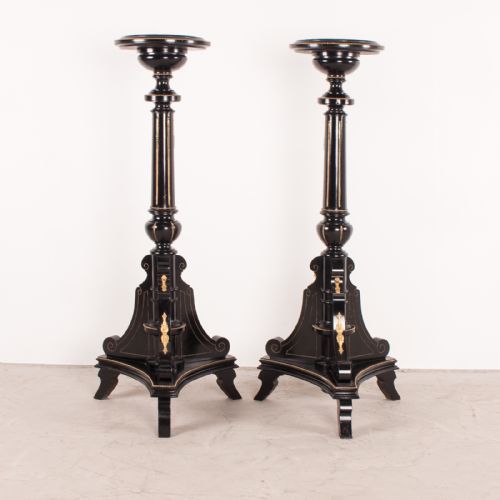
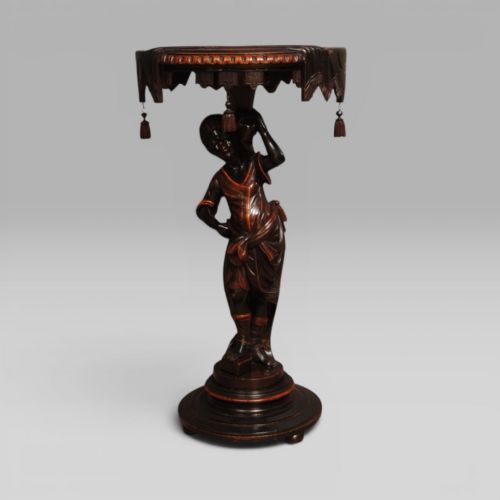
Makers utilised traditional woodworking techniques, carving solid timbers such as walnut, oak, and amboyna into fluted columns and intricate foliate patterns. Ebonisation and gold leaf applications provided rich surface finishes on many wooden examples.
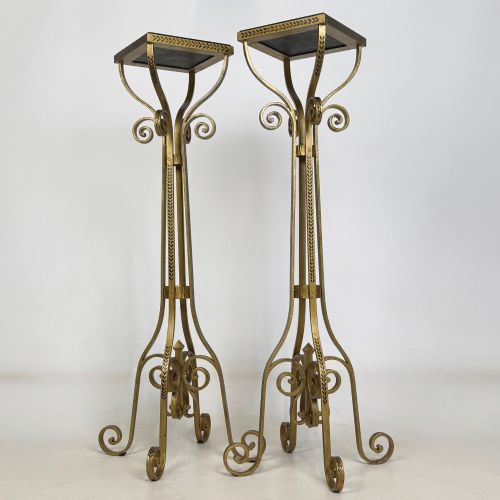
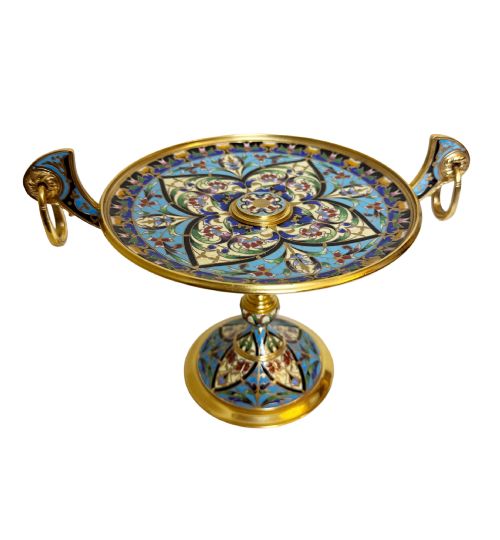
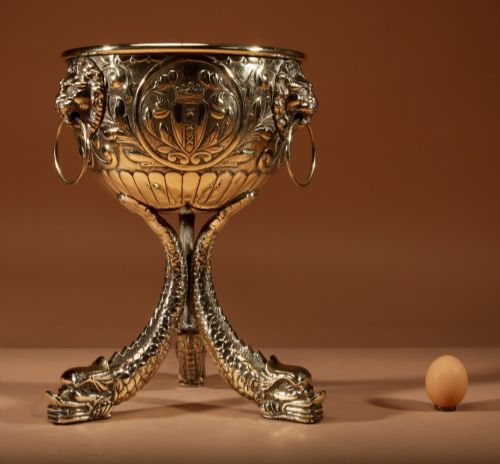
Cast and pressed metals like brass and bronze appear frequently, often forming decorative scroll bases or supporting tazzas and urns. Champleve enamelling and embossed details add metallic texture and colour.
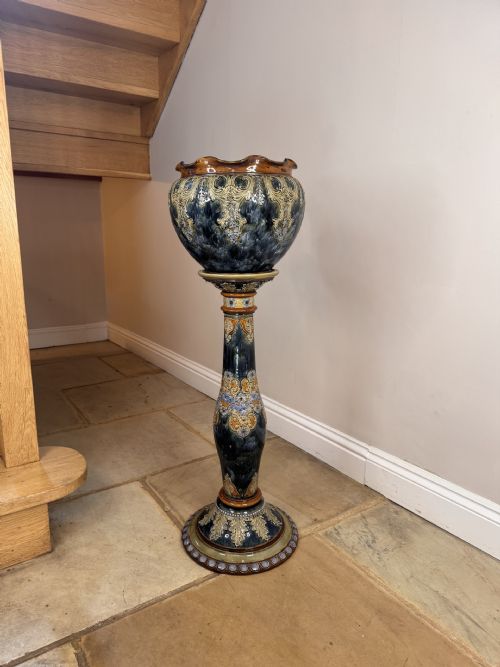
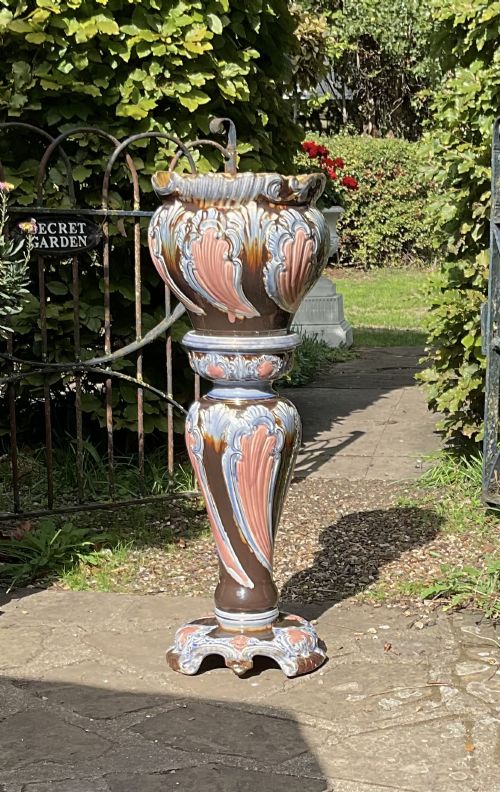
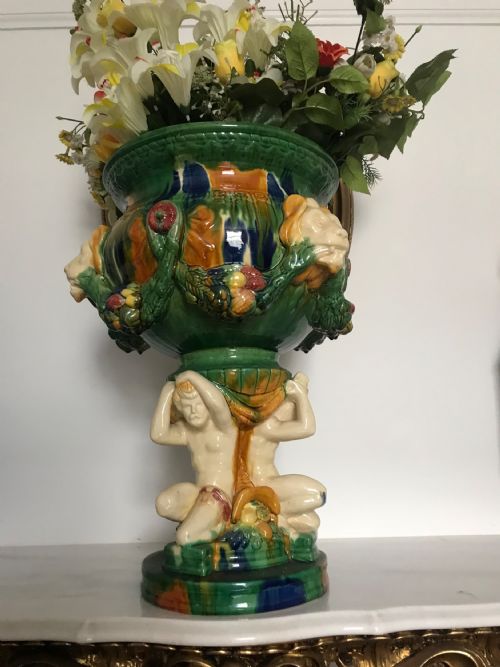
Ceramic and stone construction relies on earthenware, majolica, and various marbles, including verde antico and faux painted finishes. Glazed pottery jardiniere stands incorporate figural bases and moulded relief decoration.
Decorative Pedestal Stand Retail Price Guide 2026
Typical asking prices for decorative pedestal stand among the pieces listed under this phrase on Sellingantiques today, from the lower quarter to the upper quarter. They describe what is for sale here now, not the wider market.
Listings feature materials spanning carved wood, brass, marble, and majolica earthenware across the nineteenth and early twentieth centuries.
What varies in quality
The standard of carving and surface decoration dictates the visual success of each piece. Crisp detailing in acanthus leaves, figural elements, and inlaid woods separates masterwork furniture from simpler production.
Material selection significantly influences the tier of the piece, particularly with dense exotic hardwoods, genuine decorative marbles, and finely cast bronzes. Original painted or gilded surfaces maintain higher integrity than later restorations.
Royal Vienna·Burmantofts
The Decorative Pedestal Stand Glossary
- Torchiere
- A tall stand designed originally to carry a light or candle, frequently used now for displaying plants or urns. These slender supports often feature classical column profiles.
- Jardiniere
- An ornamental pot or stand for holding plants and flowers, frequently manufactured in majolica or glazed earthenware. They often rest upon dedicated matching pedestals.
- Tazza
- A wide, shallow saucer-like dish mounted on a stem and foot, used for display or serving. They appear in bronze, ceramic, and glass formats.
- Solomonic
- Describes a twisted, spiral column form reminiscent of a helix. This distinctive turning style gained popularity during the seventeenth century and inspired later revivals.
- Vert de Patricia
- A specific green variegated marble frequently utilised for classical column shafts and tabletops. Its distinct coloration mimics natural stone patination.
Decorative Pedestal Stand: Frequently Asked Questions
What is a decorative pedestal stand used for?
These tall supports elevate plants, urns, sculptures, or decorative vessels to improve room balance and draw focus. They act as vertical display furniture in hallways, drawing rooms, and corners.
Historically, they showcased prized art objects or Grand Tour souvenirs. Today, collectors utilise them similarly to display ceramics, bronzes, or indoor foliage.
How do I date a pedestal stand?
Dating relies on observing material choices, revival styles, and manufacturing techniques present in the construction. For instance, heavy walnut carving often points to nineteenth-century revival periods, while clean geometric lines suggest the Art Deco era.
Examining fixings, timber shrinkage, and wear patterns helps confirm the age of the piece. Matching ceramic jardiniere stands to known pottery marks narrows down the decade of production.
Where should I place a pedestal in a room?
A pedestal stands effectively in empty corners, framing doorways, or anchoring large wall spaces. Placing them where natural light highlights their carved details or marble grain maximises their visual impact.
Ensure the top surface area securely matches the base of whatever object you choose to display. Heavy marble or bronze pieces require stable flooring to prevent tipping.
Are these stands strong enough for heavy plants?
Most solid wood, cast iron, and stone columns offer robust support for substantial planters and heavy items. Wooden torcheres and lighter decorative tables suit moderate loads rather than massive stone urns.
Checking the weight capacity involves inspecting the base width and structural integrity of the central column or legs. Well-built nineteenth-century examples generally handle substantial weights securely.