

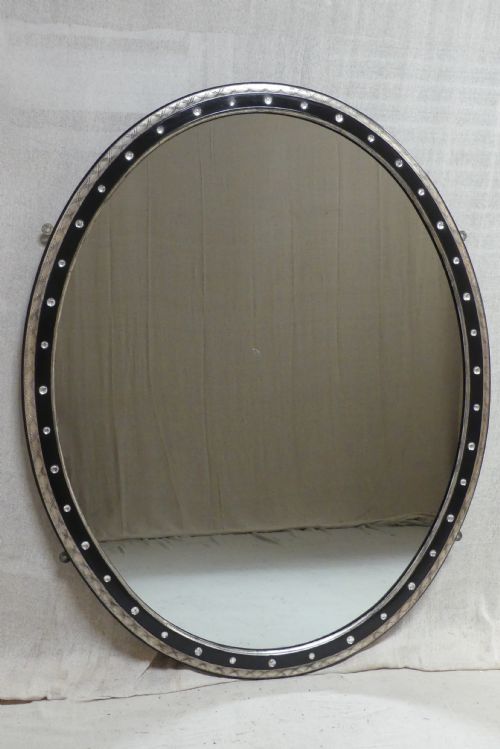


Decorative Parcel Gilt Mirror
A decorative parcel gilt mirror brings light and warmth to a room through the contrast of exposed wood and gleam of gold leaf.
Decorative Parcel Gilt Mirror
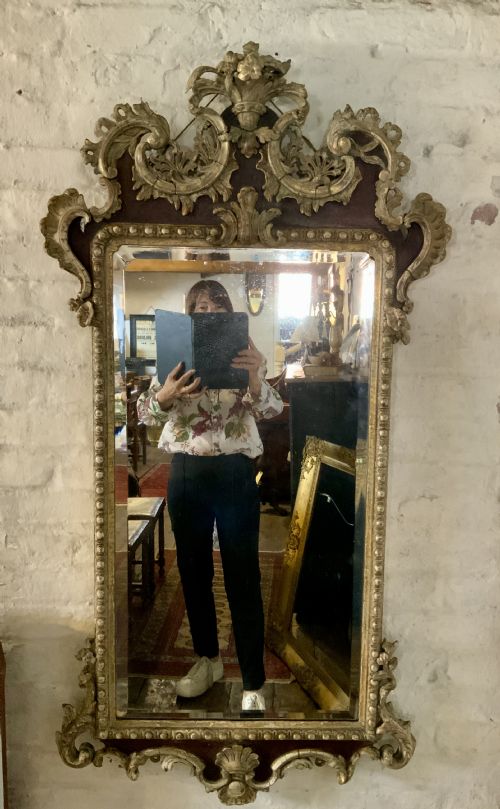
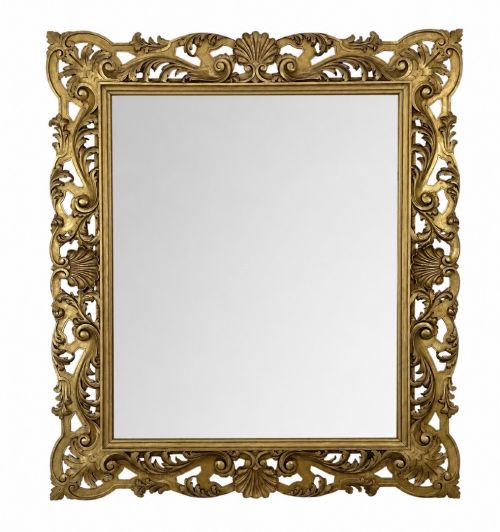
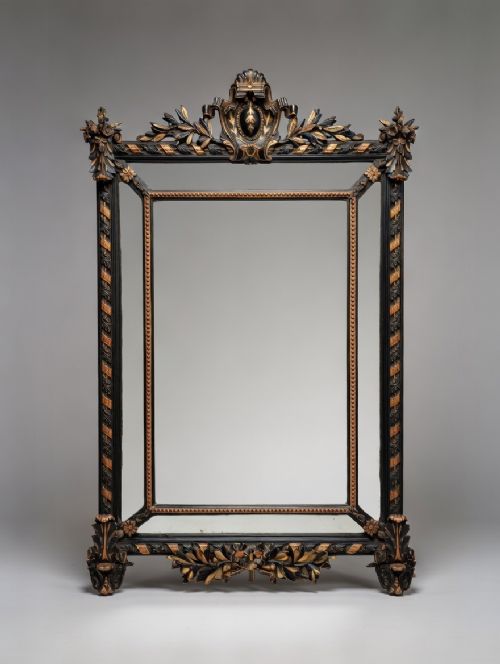
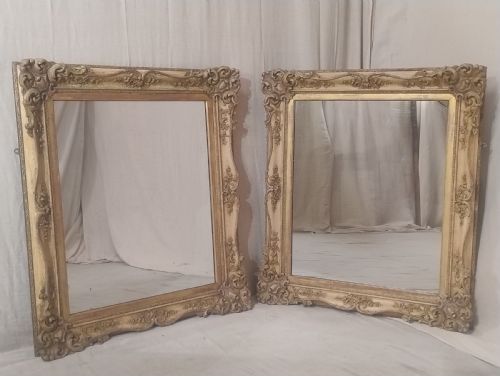
A decorative parcel gilt mirror combines carved wooden frames with partial gilding, highlighting specific motifs such as scrolls, foliage, or mouldings while letting the underlying timber remain visible. This search phrase encompasses wall-hanging plates spanning the eighteenth century through to the early twentieth century, taking forms from grand overmantles to compact ovals and rectangular margin glasses.
The versions most commonly met on this page range from nineteenth century French and Victorian interpretations to eighteenth century designs recreated in later revival styles. Makers worked in walnut, mahogany, and ebonised wood alongside gesso, applying gold leaf selectively to draw the eye to key architectural or sculptural details of the frame.
How they were made
Craftsmen shaped frames from timbers such as walnut, mahogany, and pine, often preparing surfaces with layers of gesso to receive intricate carved details. Wood surfaces designated for partial gilding received gold leaf applied over a prepared bole, leaving selected areas of dark wood or ebonised finish exposed to create a striking contrast.
Mirrors combined traditional glass plates set within rebated frames, sometimes secured with historic wooden backs or pinned mouldings. Surface treatments incorporated painted elements alongside the gold leaf and silver leaf, depending on the specific aesthetic of the period.
The selection spans Georgian Rococo, Regency, and Victorian Neoclassical Revival styles across wall-hanging formats.
What varies in quality
The refinement of the carving separates the finer examples from simpler production, evident in the crispness of acanthus leaves, scrollwork, and moulded borders. Better pieces demonstrate careful proportion between the wooden frame and the central glass plate, alongside superior quality leaf application that catches light evenly.
The choice and treatment of the primary timber also dictate standing, with rich burr walnut, figured mahogany, and deep ebonised finishes providing a more substantial presence than plain painted softwood frames. Original surfaces that retain their historical patination hold greater visual depth than heavily restored alternatives.
The Decorative Parcel Gilt Mirror Glossary
- Parcel gilt
- A surface decoration where only specific parts of an object are covered in gold leaf, leaving the rest of the underlying material exposed. This technique creates a distinct contrast between the warm metallic highlights and the dark wood or painted ground.
- Gesso
- A plaster mixture applied to wood frames to create a smooth surface for carving and gilding. Artisans built up layers of gesso before applying gold leaf or paint.
- Trumeau
- A decorative wall mirror incorporating a painted panel or artwork above the glass plate. These French pieces frequently integrated into interior wood panelling.
- Margin mirror
- A mirror style featuring a large central plate surrounded by smaller bevelled glass strips held within the frame. This construction added complexity and reflected light from multiple angles.
- Overmantle
- A large horizontal mirror designed to hang specifically above a fireplace mantelpiece. They often scale to match the proportions of the hearth below.
Decorative Parcel Gilt Mirror: Frequently Asked Questions
How do I clean a gilt mirror?
Dust frames gently with a soft, dry brush to avoid disturbing fragile gold leaf or delicate gesso carvings.
Use a mild glass cleaner sprayed onto a cloth rather than directly onto the glass to protect the surrounding wooden frame from moisture damage.
Can I place one opposite a window?
Hanging a mirror opposite a window maximises natural daylight distribution, brightening darker corners of the room effectively.
Consider the view reflected in the glass to ensure the mirror captures an attractive aspect of the interior space.
How do I tell an 18th century mirror from a revival piece?
Eighteenth century frames typically show hand-carved details directly into solid woods like walnut with distinct tool marks on the reverse. Revival pieces from the Victorian and Edwardian eras often use machine assistance, heavier gesso applications, or standard hardware suited to later construction methods.