
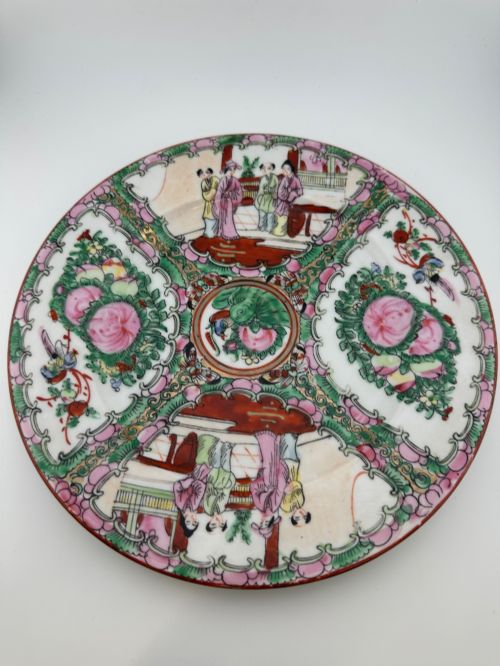

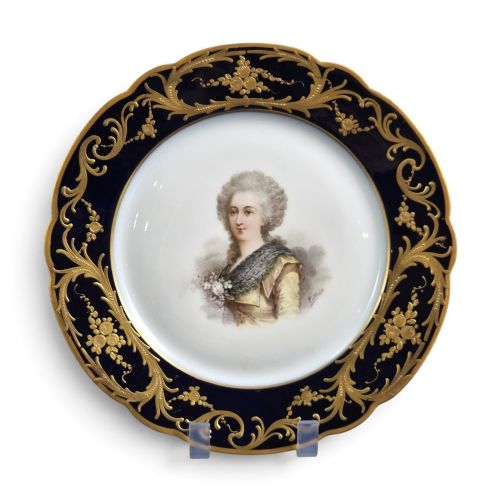


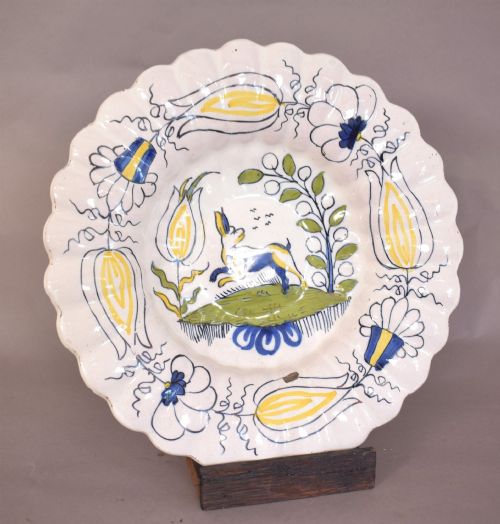

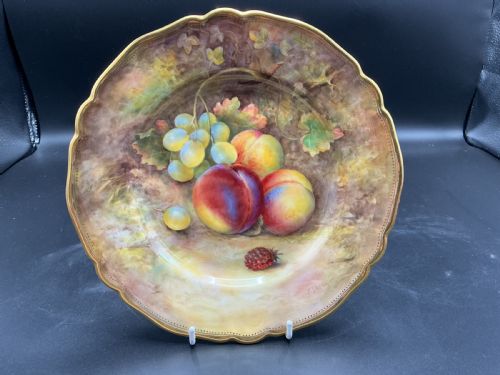
Decorative Painted Wall Dish
A decorative painted wall dish brings vibrant colour and intricate narrative directly to a vertical surface.
Decorative Painted Wall Dish
When you search for a decorative painted wall dish, you encounter large plates, chargers, and cabinet pieces designed primarily for display rather than dining. These objects span several centuries, originating from European porcelain factories, English potteries, and Japanese kilns.
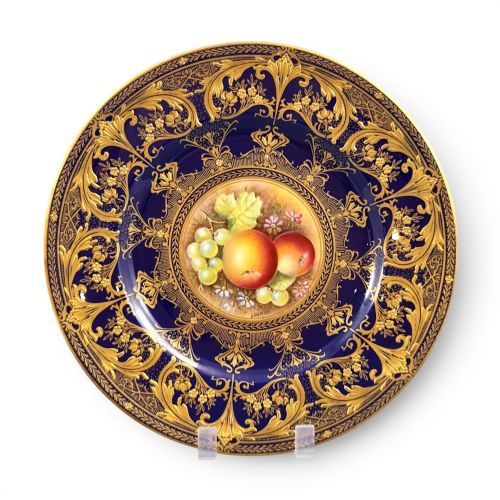
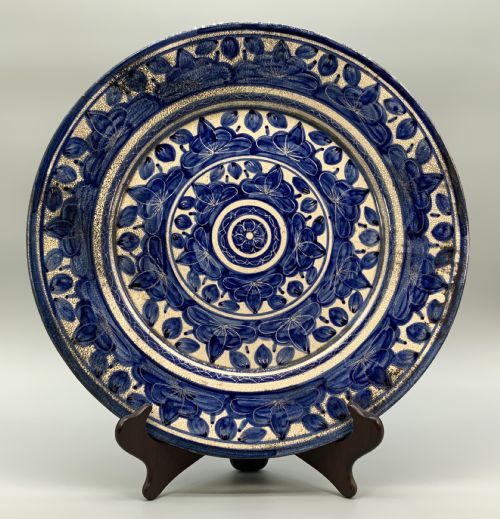
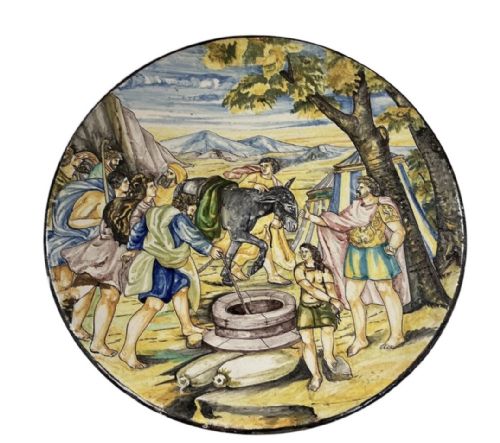
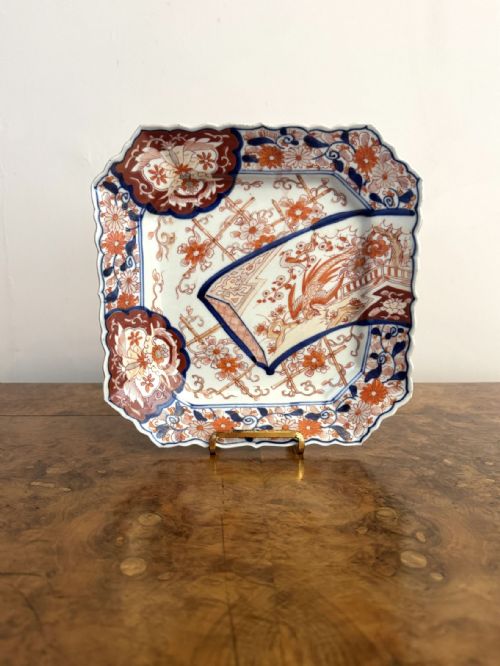
The pieces on this page are most frequently large Japanese Imari chargers from the Meiji period alongside European tin-glazed earthenware and English porcelain cabinet plates. They include round and square formats intended to hang on walls or rest upright on sideboards.
Originating across distinct global ceramic traditions, these items range from eighteenth-century Delft earthenware to twentieth-century Royal Worcester fruit plates. Each specimen reflects the aesthetic priorities of its specific period and geographic source.
How They Were Made
Potters shaped these objects using porcelain, earthenware, or ironstone bodies, often applying tin-glaze or transparent glaze coatings before firing. Cobalt blue, polychrome enamels, and occasionally gold leaf or gilt accents were then hand-applied across the surface.
Many European and Asian examples underwent multiple firings to fix delicate overglaze enamel pigments and metallic highlights securely to the ceramic base. Artisans utilised hand-painting techniques to render portraits, botanical studies, and traditional landscapes directly onto the clay body.
Listings feature porcelain, earthenware, and ironstone bodies decorated with enamel, glaze, and gold leaf across multiple historic periods.
What Varies in Quality
The distinction between ordinary and exceptional examples rests in the execution of the hand-painted brushwork and the clarity of the colours. Master painters achieved finer lines, richer tonal gradations, and more balanced compositions than routine workshop productions.
The prestige of the manufactory or the skill of the named artist heavily influences the standing of a piece. Signed works from documented porcelain painters and output from celebrated kilns command greater artistic recognition.
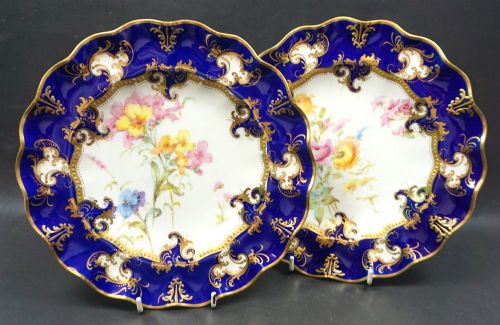
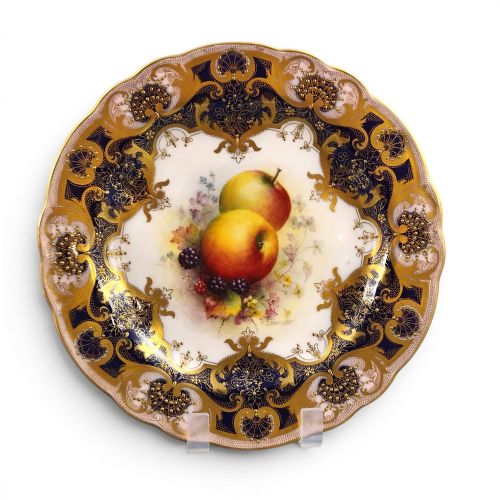
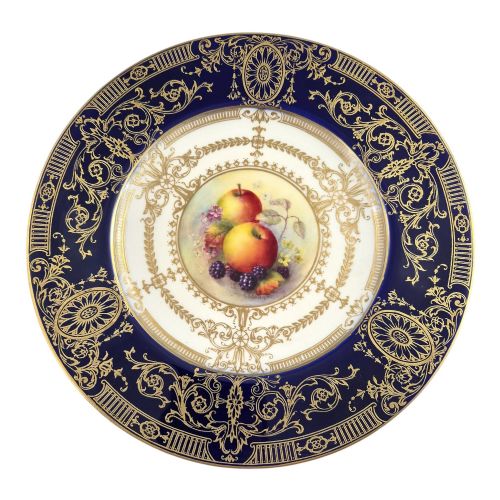
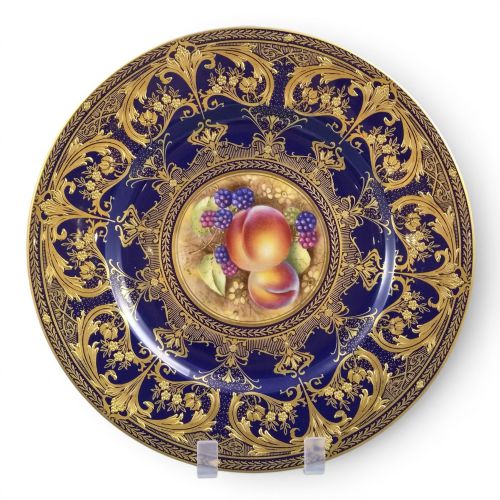
John Davenport of Longport·Royal Worcester·Royal Crown Derby·Koshida·Pucher Deroche
The Decorative Painted Wall Dish Glossary
- Charger
- A large decorative plate, traditionally exceeding thirty centimetres in diameter, designed to be displayed upright on a wall or dresser rather than used for serving food.
- Imari
- A style of Japanese porcelain originating from Arita, characterised by a distinct palette of underglaze blue, iron red, and gold overglaze detailing.
- Tin-Glazed Earthenware
- Pottery covered with a white tin-oxide glaze that provides an opaque white background for painted polychrome decoration, encompassing styles like Delft and maiolica.
- Cabinet Plate
- A fine porcelain plate created primarily for aesthetic display in a vitrine or wall bracket rather than practical table service.
- Polychrome
- Decoration employing several distinct colours in the painted design, distinguishing it from monochrome or strict blue-and-white ceramics.
Decorative Painted Wall Dish: Frequently Asked Questions
How were wall dishes hung in the past?
Historic wall dishes often utilised wire frames or fitted metal brackets secured to the foot ring to support their weight safely against a wall. Many chargers also featured pierced foot rims specifically designed for threading suspension cord.
Modern display methods adapt these historic approaches by using padded spring hangers that distribute pressure evenly around the rim without damaging the ceramic body.
Can these plates be used for dining?
Cabinet plates and decorative chargers are manufactured primarily for visual display rather than daily culinary use. Their overglaze enamels and delicate metallic gilding can suffer abrasion or wear from standard cutlery.
Historic pieces frequently contain lead or other historical glaze compounds that make them unsuitable for serving food today. Enjoying them safely involves keeping them mounted securely on walls or display stands.
What defines a cabinet plate?
A cabinet plate is an individual ceramic work produced by prominent porcelain manufactories to showcase technical painting skill. These pieces often feature hand-painted fruit, portraits, or landscapes framed by elaborate gilt borders.
They earned their name because collectors stored and displayed them inside glass-fronted cabinets alongside other valuable works of art.