

Decorative Painted Ceramic Bowl
A decorative painted ceramic bowl brings centuries of global colour and craft to a table, offering hand-painted detail in porcelain, earthenware and enamel.
Decorative Painted Ceramic Bowl
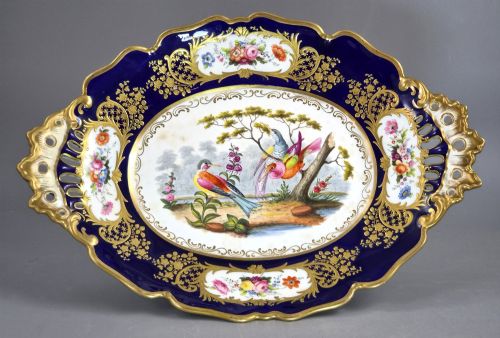
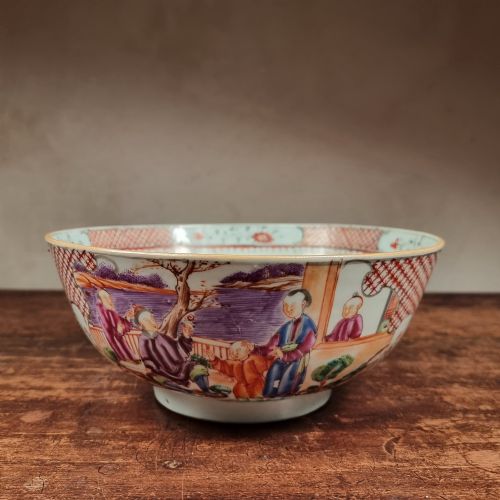
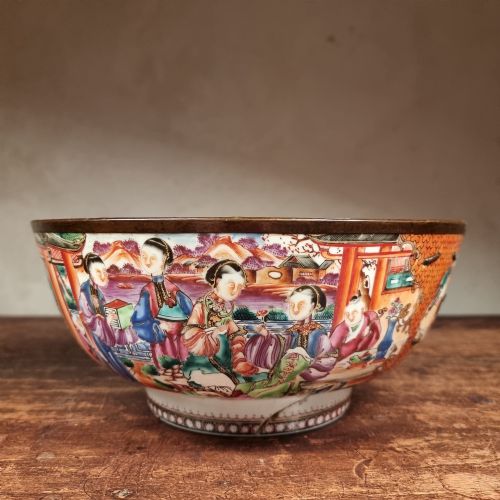
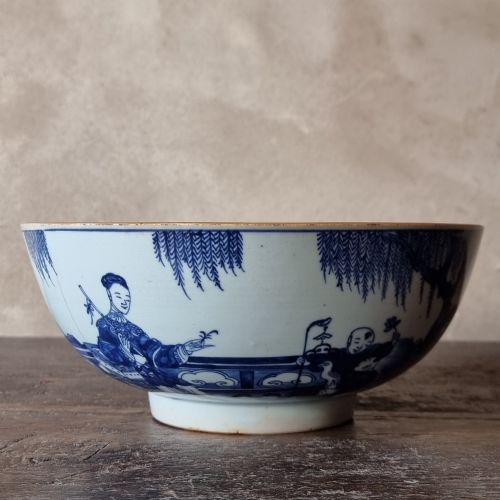
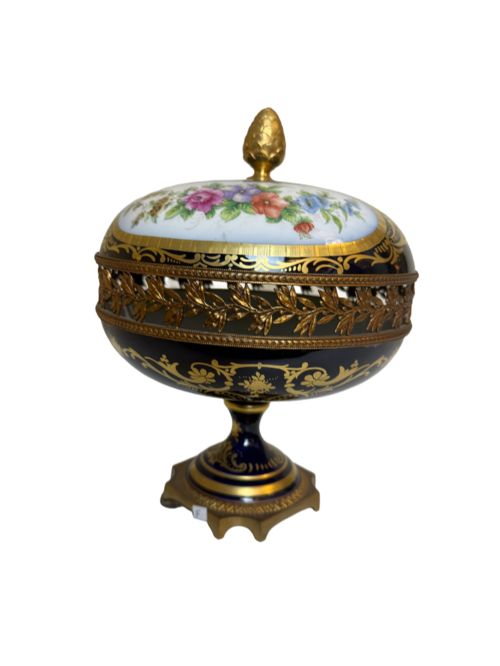
A decorative painted ceramic bowl encompasses a wide array of historical forms, ranging from large punch bowls and footed vessels to cabinet dishes and centrepieces. These pieces emerge across the eighteenth, nineteenth, and early twentieth centuries from English, French, Spanish, and Asian kilns.
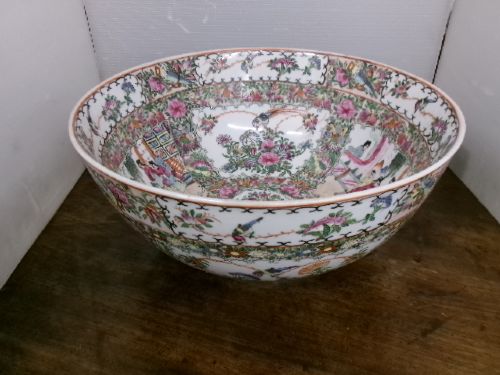
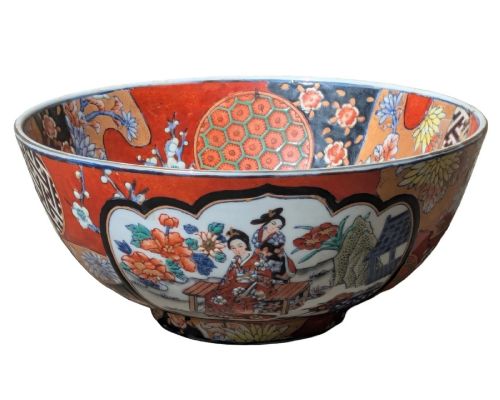
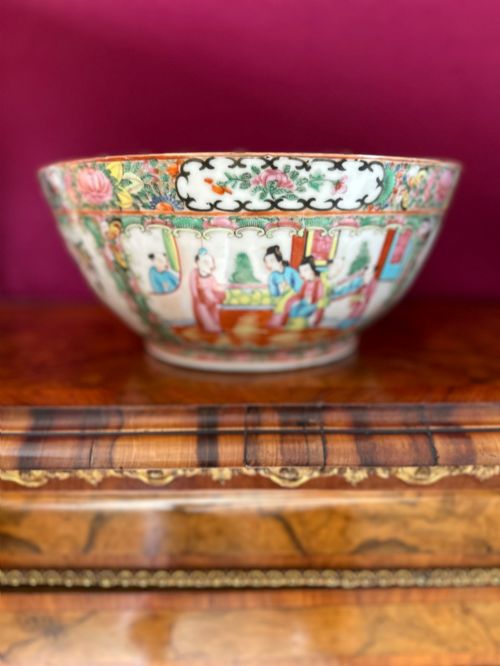
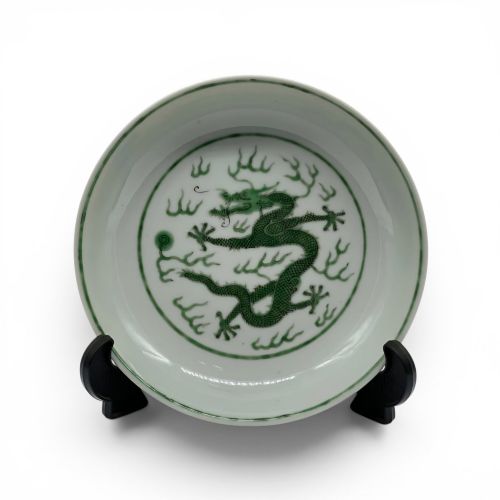
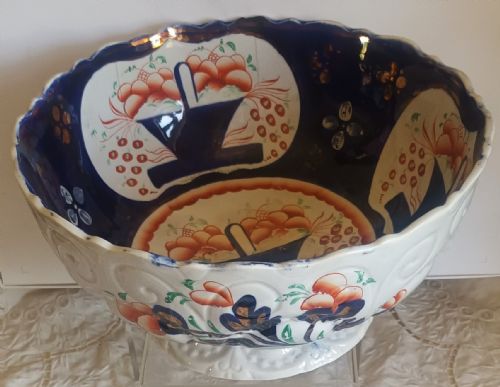
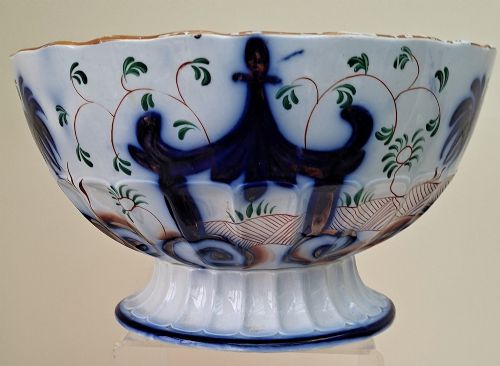
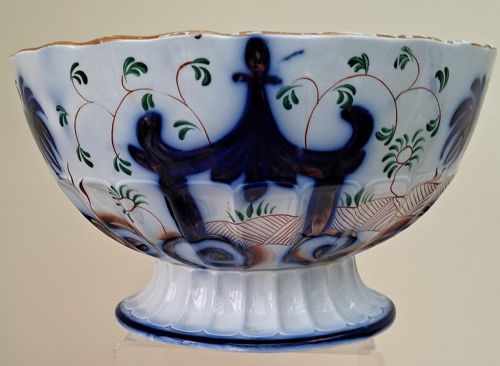
The selection on this page relies heavily on nineteenth-century examples, including Japanese Imari plates and bowls, Chinese Canton and Famille Rose pieces, and Victorian earthenware such as Gaudy Welsh pottery. Buyers encounter both utilitarian shapes adapted for display and specialist cabinet dishes intended solely for visual appreciation.
Materials and technique
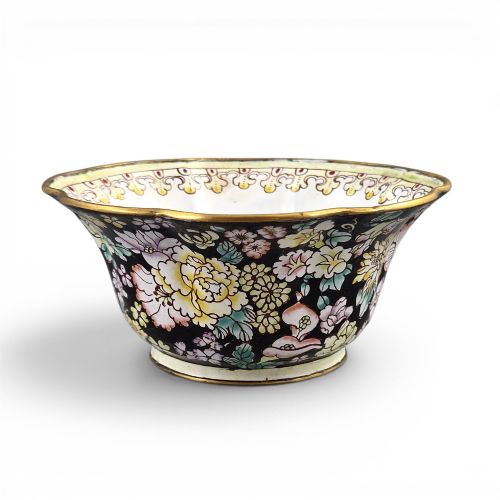
Potters and painters utilised porcelain, earthenware, and enamel-on-copper, applying cobalt blue, polychrome pigments, and glaze before firing. Many pieces incorporate gold leaf, gilding, and gilt-bronze mounts to elevate the finished object.
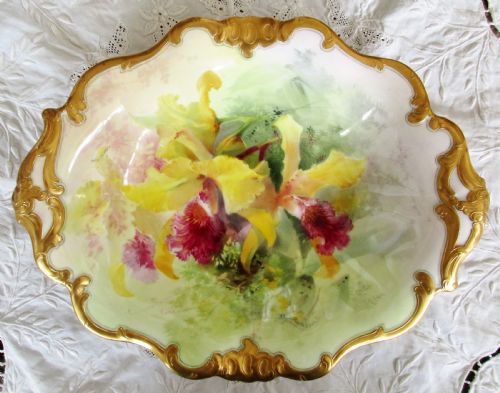
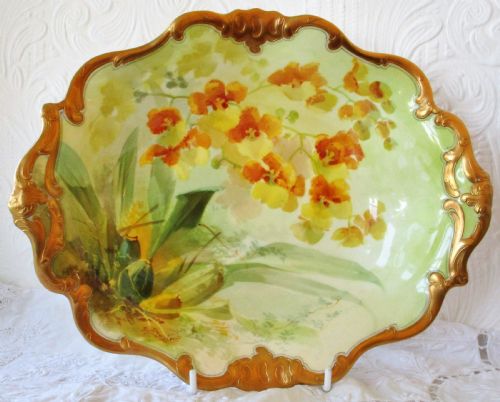
Techniques range from hand-painted overglaze enamels on Japanese Satsuma and Chinese Canton ceramics to transfer printing and spongeware methods on English pottery. Skilled artisans combined these decorative layers with moulded forms, such as scalloped edges, footed bases, and intricate flower encrustations.
One Scottish dish immortalises Dr. Livingstone in pottery, proving that nineteenth-century ceramics readily celebrated famous explorers alongside flowers.
Distinctions in execution
Quality rests upon the precision of the hand-painted brushwork and the clarity of the enamel colours against the glazed ceramic body. Pieces bearing artist signatures or workshop attributions generally demonstrate superior control in composition and detail.
The complexity of the form and the integration of secondary materials, such as champlevé enamel or gilt-bronze mounts, dictate the standing of a piece within its period. Higher grades show disciplined line work and harmonious palettes across intricate floral, animal, or figural scenes.
Coalport·Royal Doulton·Samson·Mann Co·Rockingham·Spode
The Decorative Painted Ceramic Bowl Glossary
- Imari
- A style of Japanese porcelain featuring a distinct palette of cobalt blue, iron red, and gold, named after the port from which the wares were exported.
- Famille Rose
- A major palette of Chinese ceramic glazes introduced in the eighteenth century, distinguished by an opaque pink or rose enamel derived from colloidal gold.
- Gaudy Welsh
- A type of colourful earthenware produced in nineteenth-century Britain, characterised by cobalt blue, copper lustre, and vibrant hand-painted floral motifs.
- Cabinet Dish
- A decorative ceramic plate or shallow bowl intended for display in a cabinet or on a stand rather than for table service.
- Faience
- Tin-glazed earthenware produced in Europe, often featuring hand-painted polychrome designs on a white or milky glaze.
Decorative Painted Ceramic Bowl: Frequently Asked Questions
How do I identify Chinese Canton bowls?
Chinese Canton bowls typically display vibrant polychrome enamels featuring figures, birds, and butterflies framed by dense floral borders. These pieces generally date from the nineteenth and early twentieth centuries.
Examining the underside and the saturation of the famille rose palette helps determine the period. The brushwork remains freehand and expressive rather than mechanically uniform.
What is Japanese Imari porcelain?
Japanese Imari porcelain is a traditional export ware decorated primarily in underglaze cobalt blue and overglaze iron red, frequently accented with gold leaf. The designs often incorporate intricate floral and panel motifs.
These bowls and dishes were produced across various periods, from the Meiji era into the twentieth century, and served as prominent decorative centrepieces in European interiors.
Where should I display a cabinet dish?
A cabinet dish requires a stable surface or a dedicated stand to support its weight and protect the glazed edges. Placing the piece away from direct sunlight preserves the vibrancy of the painted enamels and gilding.
Because these items were created for visual appreciation, positioning them at eye level in a cabinet or on a sideboard allows the fine details to be fully observed.
How are nineteenth-century earthenwares cleaned?
Nineteenth-century earthenwares and soft-paste porcelains require gentle cleaning with a soft, dry cloth to remove dust. Water and chemical detergents risk damaging historic glazes, gold leaf, and hand-painted enamels.
If washing is strictly necessary, lukewarm water without harsh agents should be used sparingly, followed immediately by thorough drying with a lint-free towel.