
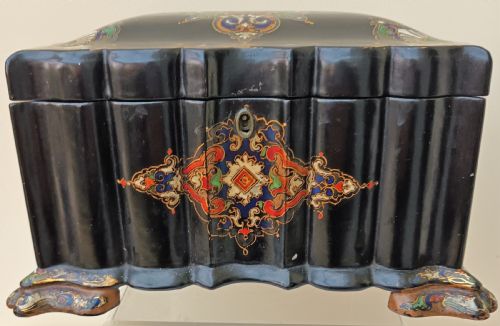


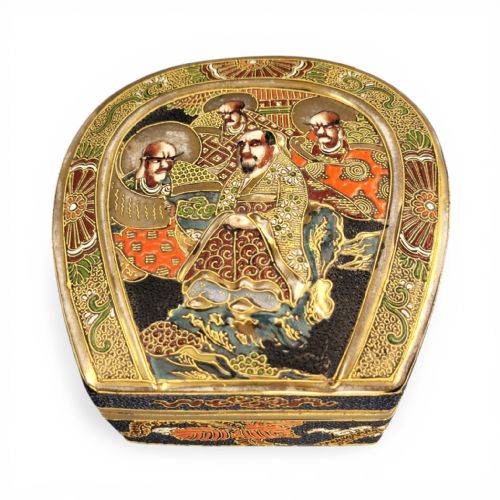


Decorative Painted Box
A decorative painted box brings colour and intricate artistry to a room, serving as both a practical container and a display piece.
Decorative Painted Box
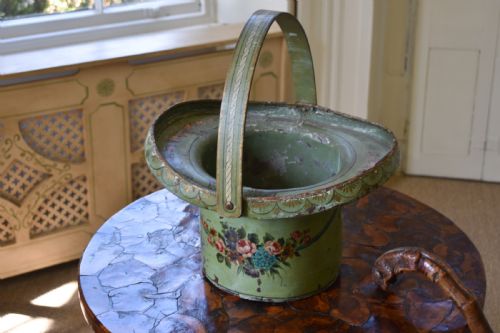
A decorative painted box encompasses a broad array of small storage vessels, from snuff boxes and patch boxes to larger tea caddies, jewellery caskets, and trunks. When searching for this phrase, buyers encounter examples spanning the eighteenth, nineteenth, and early twentieth centuries, reflecting diverse international origins.
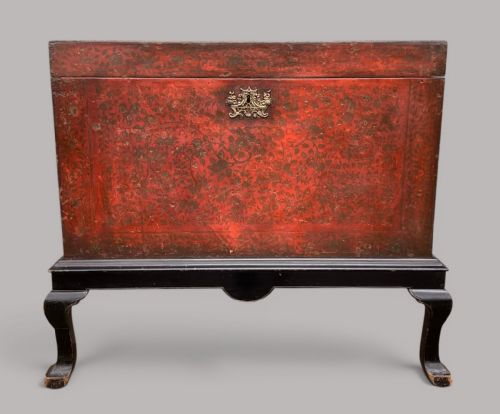
The selection ranges from European papier-mâché and enamel pieces to Asian lacquerware and Scandinavian folk art storage boxes. Smaller pocket-sized items sit alongside table caskets and boxes on stands designed to hold keepsakes, letters, or personal accessories.
Stylistic influences vary widely, incorporating Georgian Chinoiserie, Regency penwork, Victorian ornamentation, and regional folk traditions. Each object demonstrates how makers applied pigments, lacquer, and decorative finishes to wood, metal, and ceramic substrates.
Materials and Technique
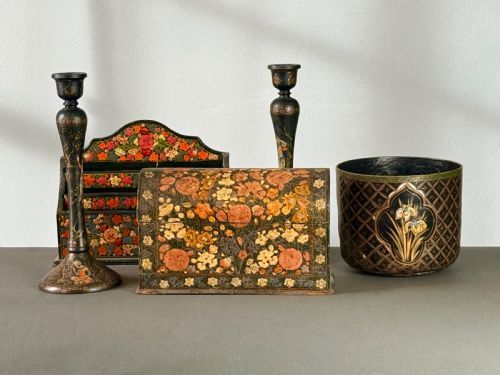
Makers utilised a variety of base materials including wood, papier-mâché, copper, and porcelain, applying layers of paint, enamel, or lacquer to the surface. Techniques such as penwork involved intricate inked designs on prepared grounds, while Japanese and Kashmiri pieces relied on specialised lacquer applications.
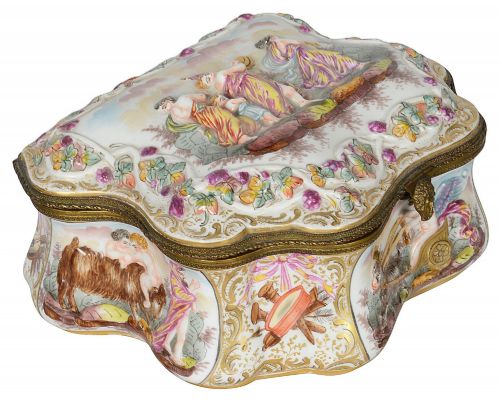
Surface decoration frequently included hand-painted motifs, gilt metal mounts, and brass edgings to protect and enhance the structure. Artisans combined skilled joinery with detailed pictorial work, producing durable containers designed to withstand daily handling.
Geographic origins span England, France, Italy, Russia, India, China, and Japan across multiple stylistic periods.
Quality Variations
The standard of a decorative painted box depends largely on the precision and preservation of its surface artwork. Finer examples display meticulous brushwork, stable lacquer or enamel without significant loss, and well-fitted lids or hinged mounts that operate smoothly.
The choice of base material and the complexity of the decorative scheme distinguish standard utilitarian items from superior collector pieces. Original painted surfaces that retain their intended vibrancy and structural integrity represent the higher end of the range.
Toshozan
The Decorative Painted Box Glossary
- Papier-mâché
- A composite material made of paper pulp or reinforced paper sheets, moulded and painted when dry. It provided a smooth, lightweight surface for Victorian tea caddies and small boxes.
- Chinoiserie
- A European artistic style reflecting Chinese aesthetic influences, commonly seen in lacquerwork and painted furniture. Artisans applied motifs of figures, landscapes, and pagodas onto domestic objects.
- Penwork
- A decorative technique utilising fine ink drawings on a light-colored wood ground, often finished with protective varnish. Regency gaming boxes and trinket cases frequently employed this method.
- Enamel
- A glassy substance fused to a metal base through firing, used extensively for small eighteenth-century patch and snuff boxes. South Staffordshire and Bilston workshops specialised in this medium.
- Lacquer
- A durable resin finish applied in multiple layers and polished to a hard sheen. Asian and European makers used it to create moisture-resistant and visually rich decorative surfaces.
Decorative Painted Box: Frequently Asked Questions
What were small painted boxes used for?
These boxes served practical domestic functions, holding items such as snuff, patches, tea, jewellery, and letters. Owners kept them on desks, dressing tables, and in pockets for daily convenience.
Over time, many transitioned from utilitarian objects to decorative display pieces, prized for their intricate artwork and miniature craftsmanship.
How do I care for a painted wooden box?
Keep wooden and lacquered boxes away from direct sunlight, dampness, and extreme temperature fluctuations to prevent the paint or finish from cracking. Dust gently with a dry, soft cloth and avoid chemical cleaning products.
Handle lids and hinges carefully to preserve original fittings. Proper placement ensures the fragile surface decoration remains stable.
How do I distinguish eighteenth-century enamel boxes?
Eighteenth-century enamel pieces, such as those from South Staffordshire or Bilston, typically feature copper cores covered in smooth, fired enamel with delicate hand-painted pastoral or floral scenes. They often include gilt copper mounts and tiny clasps.
Examining the weight, the style of the hand-painted details, and the construction of the metal rims helps identify the period.
What is the difference between papier-mâché and wood?
Papier-mâché is formed from paper pulp or layered paper sheets, offering a smooth, seamless surface well-suited for detailed Victorian japanning and painting. Wood boxes rely on natural grain structures, sometimes enhanced with veneers or painted directly.
While wood provides structural rigidity, papier-mâché allows for rounded contours and lightweight construction.