






Apothecary Storage Box
An apothecary storage box is a small timber chest or cabinet designed to hold medicines, instruments or spice collections, prized for fitted interiors and compact craftsmanship.
Apothecary Storage Box
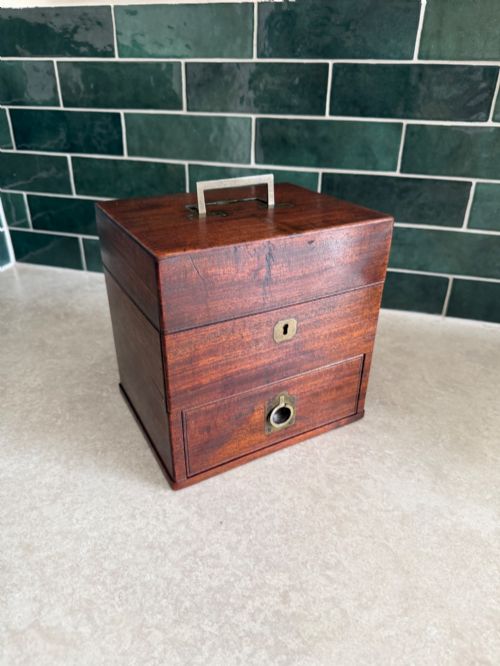
An apothecary storage box covers everything from portable 19th Century travel cases fitted with glass bottles to wall-hanging spice boxes and multi-drawer tabletop collectors cabinets. When you search for an apothecary storage box, you encounter a range of timber forms dating from the Georgian period through to the 1920s.
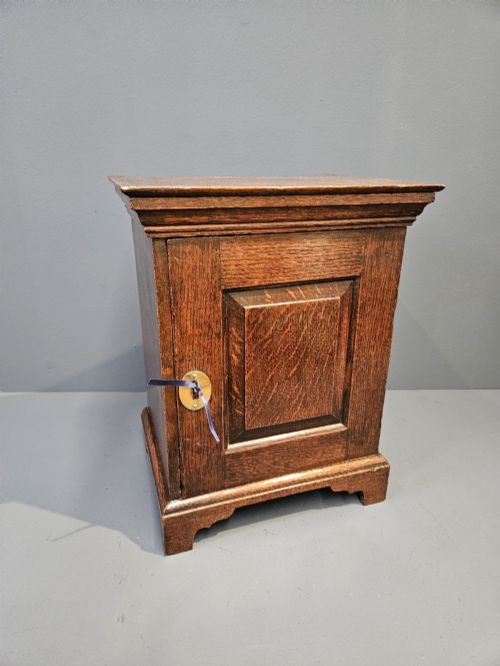
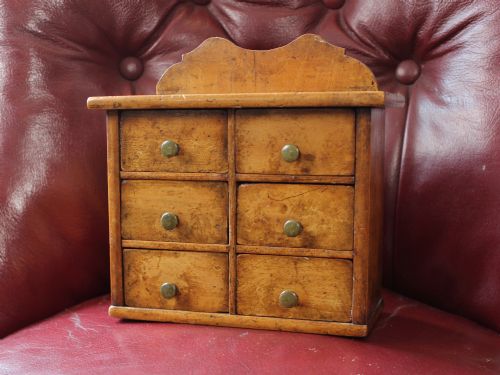
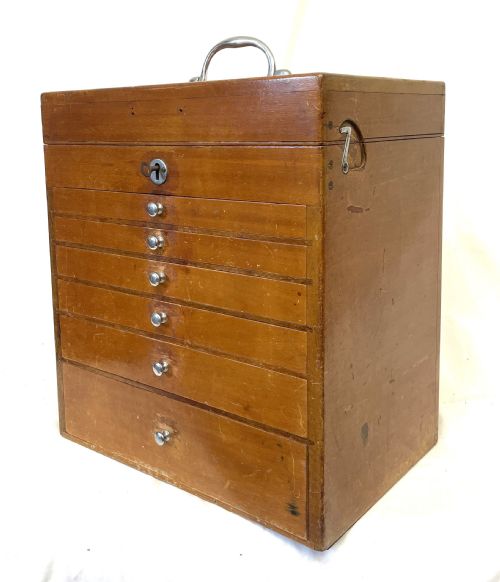
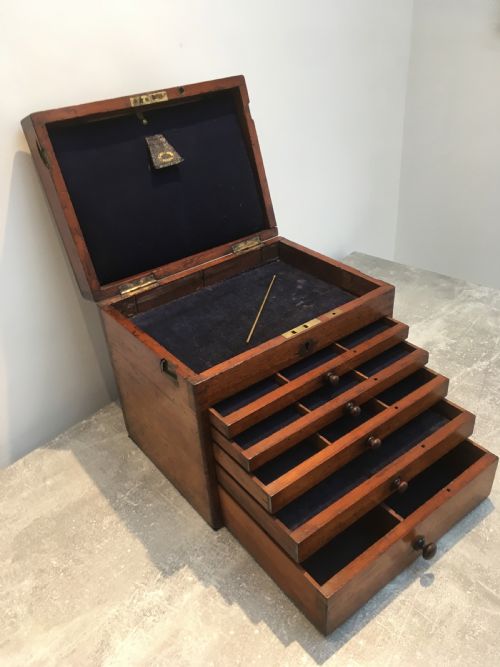
The pieces on this page span several distinct styles, including Victorian, Regency, George II, and industrial utility designs. Common configurations include small medical carrying chests, fruitwood spice drawers, and dentist cabinets fitted with multiple storage compartments.
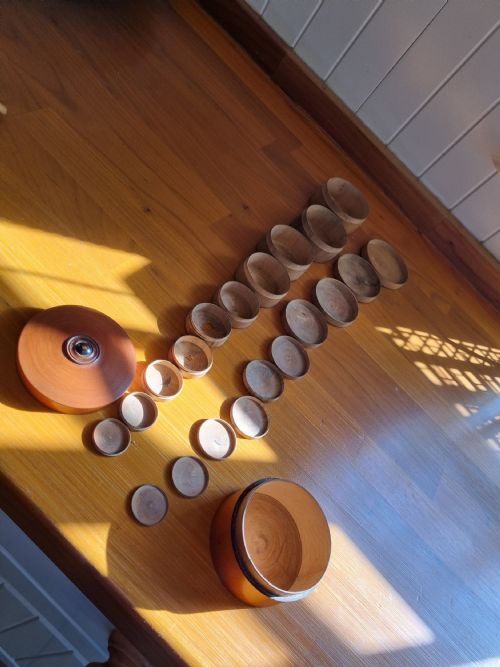
Origins vary across domestic and regional traditions, encompassing English mahogany and oak pieces alongside eastern elm chests and hand-painted bentwood containers. Whether designed for domestic spice storage or professional medical use, these boxes prioritise internal organisation and robust wooden construction.
How they were made
Makers constructed apothecary storage boxes primarily using dense hardwoods and durable softwoods such as mahogany, oak, pine, fruitwood, elm, and boxwood. These timbers provided the structural integrity required to protect delicate glass bottles, instruments, and small containers.
Metal and glass components supplemented the woodwork, with brass used for hinges, carrying handles, and locking mechanisms, while glass formed the accompanying bottles and jars. Interiors often incorporated velvet linings to cushion contents, alongside hand-painted finishes on specific bentwood examples.
Listings span the Georgian period, the 19th Century, and 1920, utilising mahogany, oak, pine, brass, glass, and velvet.
What varies in quality
The standard of an apothecary storage box depends largely on the complexity of its internal arrangement and the precision of its drawers or compartments. Pieces designed with fitted bottles, multiple small drawers, and integrated locking mechanisms represent a higher tier of workmanship than simpler single-compartment boxes.
Material selection also dictates quality, with dense hardwoods like mahogany and figured oak outlasting simpler pine or bentwood variants. The survival of original brass hardware, velvet linings, and internal glass containers elevates the integrity of the piece.
The Apothecary Storage Box Glossary
- Apothecary box
- A portable or tabletop chest traditionally used to store medicines, medical equipment, and pharmaceutical ingredients. These boxes often feature internal dividers and fitted glass bottles.
- Spice cupboard
- A small wall-hanging or tabletop wooden cabinet used in domestic kitchens to organise culinary spices. They typically contain a series of small drawers or shelves behind a single door.
- Collector cabinet
- A multi-drawer wooden case utilised for housing specimens, microscope slides, or small collectables. These cabinets emphasise precise internal drawer construction.
- Bentwood
- Wood that has been heated and bent into curved shapes to form round or oval containers. This technique creates seamless, lightweight boxes.
- Treen
- Small handmade wooden domestic objects and utensils produced prior to the widespread use of plastics. These items display traditional woodturning and joining methods.
Apothecary Storage Box: Frequently Asked Questions
What is the difference between an apothecary box and a spice cupboard?
An apothecary box is typically designed for medicinal use, often incorporating fitted slots for glass bottles and professional instruments.
In contrast, a spice cupboard focuses on dry culinary storage and usually takes the form of a small wall-hanging or tabletop cabinet with internal drawers.
Were all apothecary boxes used for travel?
While certain examples are designated as travelling cases or medical carrying chests equipped with handles, many others served as stationary tabletop or wall-mounted storage units.
Stationary cabinets remained in surgeries or homes rather than accompanying practitioners on journeys.
How do I date an antique storage box?
Dating relies on observing timber choices, construction techniques, and brass hardware styles relative to documented periods like the Georgian era or the 19th Century.
Fitted components, such as hand-blown glass bottles or specific drawer configurations, also provide chronological indicators.
What materials are typical for these boxes?
Most examples utilise traditional timbers including mahogany, oak, pine, elm, and boxwood, supplemented by brass hinges and locks.
Interiors occasionally feature velvet linings, glass bottles, and hand-painted exterior finishes depending on the intended use.