




Decorative Occasional Table
A decorative occasional table brings character to empty corners and provides a functional surface with distinctive period charm.
Decorative Occasional Table
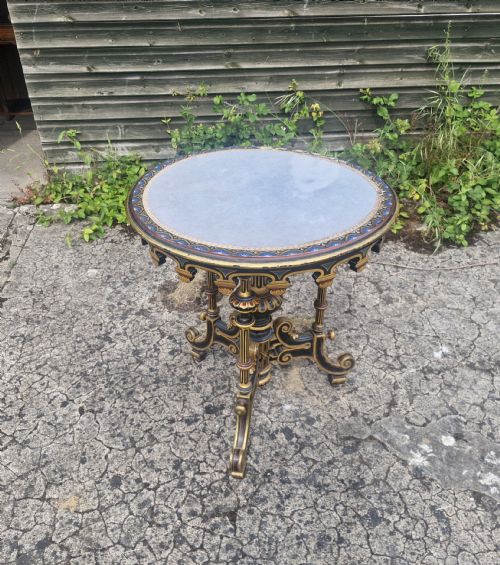
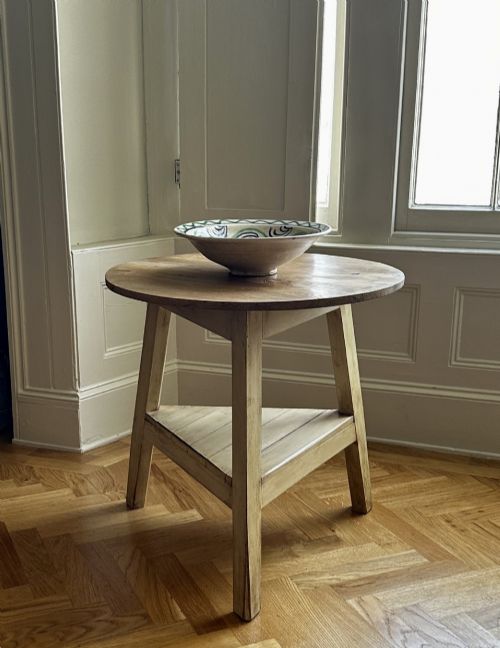
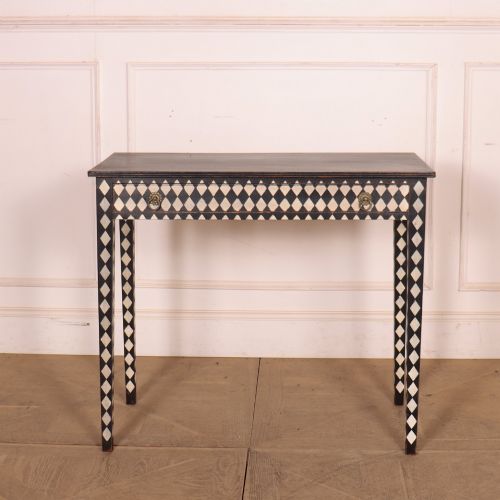
A decorative occasional table encompasses a wide variety of small-scale furniture designed for specific tasks around the home, including lamp tables, wine tables, plant stands and nests of tables. When searching for a decorative occasional table, buyers encounter formats spanning the nineteenth century and early twentieth century, drawing on English, French, Italian, and Anglo-Indian traditions.
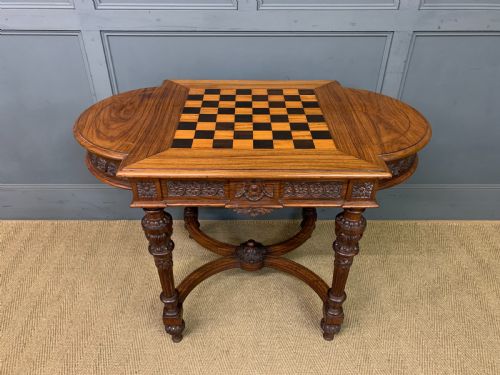
The survival of these pieces shows their versatility in period interiors, functioning as centre tables, chess tables, tray tables, and multi-tiered etageres. Common configurations range from tripod pillar supports to low coffee tables and elaborate carved occasional pieces.
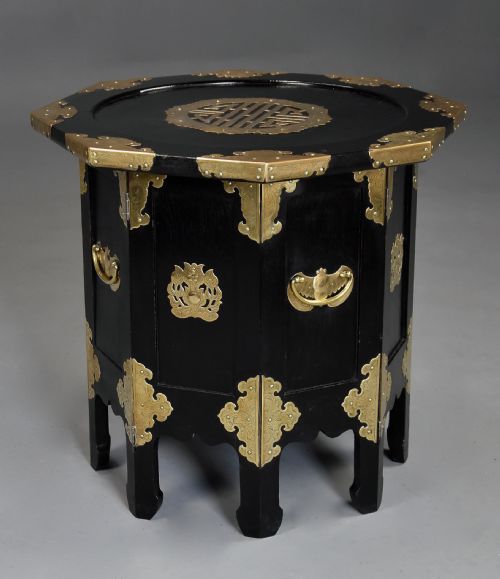
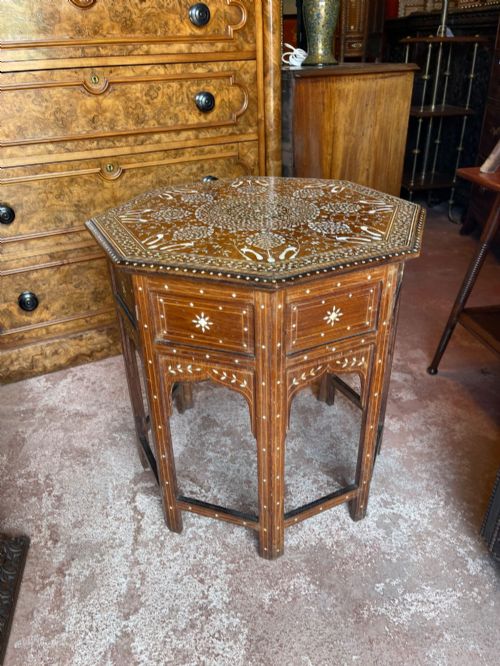
Originating across diverse global workshops, these tables incorporate specific regional aesthetics such as Chinoiserie lacquer, Moorish inlay, Syrian carving, and French marquetry. Victorian examples sit alongside Edwardian pieces and continental imports, each offering a distinct profile.
Materials and construction
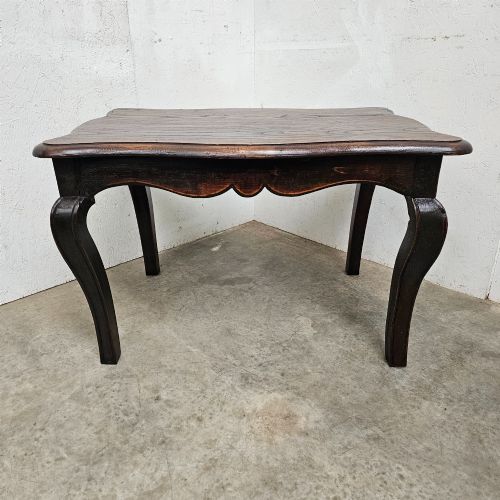
Cabinet makers utilised a rich palette of timbers, combining foundational structural woods like mahogany, walnut, oak, and elm with decorative veneers of satinwood, rosewood, and padouk. Ebonised finishes and painted wooden surfaces appear frequently alongside exotic materials.
Surface ornamentation defines the category, incorporating hand-carved details, brass ormolu mounts, brass wire inlay, papier mache with mother-of-pearl, and polished stone tops including marble and pietre dure. Joinery techniques support both sturdy tripod frames and intricate multi-tiered structures.
Listings feature numerous nineteenth-century examples alongside Edwardian pieces, incorporating painted wood, mahogany, rosewood, and exotic carved hardwoods.
Assessing craftsmanship
Quality rests upon the precision of hand-carving and the integrity of applied decorative elements, such as inlaid pietra dura panels, marquetry patterns, and painted lacquer finishes. Superior examples display crisp detail in the ornamentation and stability across complex multi-tiered or tripod supports.
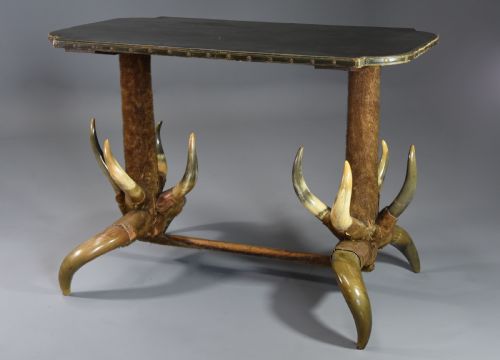
The selection of timber grain, the retention of original surface patination, and the integration of specialist materials like cow horn, tortoise-shell, or brass mounts distinguish standard production from exceptional pieces.
Liberty and Co
The Decorative Occasional Table Glossary
- Pietra dura
- An artistic technique using cut and fitted polished coloured stones to create geometric or figurative designs. This inlaid stonework frequently tops high-status Victorian and continental tables.
- Chinoiserie
- European interpretations of Chinese and East Asian artistic traditions, typically executed through lacquerwork and painted decoration. It appears on tables featuring distinctive black and gold finishes.
- Etagere
- A small piece of furniture consisting of open open shelves for displaying ornaments or holding small items. These multi-tiered tables offer additional surface area without a large footprint.
- Tripod table
- A small freestanding table supported by three pillar legs radiating from a central column. This format was especially popular for occasional and wine tables during the nineteenth century.
- Ormolu
- Gilt-bronze ornaments mounted onto furniture surfaces during the manufacturing process. These brass and bronze mounts add structural contrast and decorative emphasis to fine tables.
Decorative Occasional Table: Frequently Asked Questions
What is a decorative occasional table used for?
These versatile tables were originally designed for specific domestic tasks such as holding reading lamps, serving wine, displaying plants, or supporting chess sets.
Today, they function effectively in modern rooms as side tables, bedside surfaces, or decorative accents in awkward corners.
How do I date an antique occasional table?
Dating relies on examining the timber species, construction methods, tool marks, and stylistic indicators such as carved motifs and leg profiles.
Victorian and Edwardian pieces often display distinct regional characteristics and material preferences that help narrow down their decade of production.
Are these tables sturdy enough for daily use?
Most antique occasional tables were built by skilled cabinet makers using durable hardwoods like mahogany, walnut, and rosewood, ensuring structural longevity.
Delicate pieces featuring painted lacquer, papier mache, or intricate inlay require gentle placement away from direct heat and moisture.
What is the difference between an occasional table and a centre table?
Occasional tables are generally smaller, lighter, and designed to be moved easily around a room to serve a temporary function beside seating.
Centre tables are typically larger, heavier, and intended to anchor the middle of a room as a permanent focal display piece.