




Decorative Metal Table Lamps
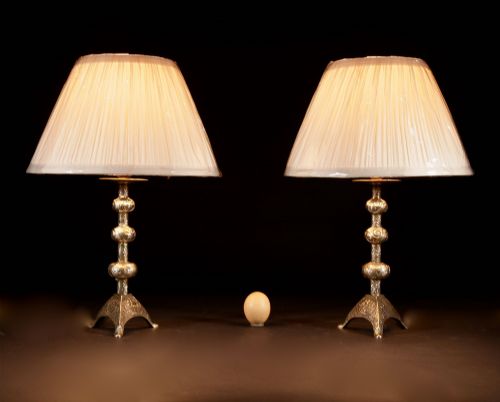
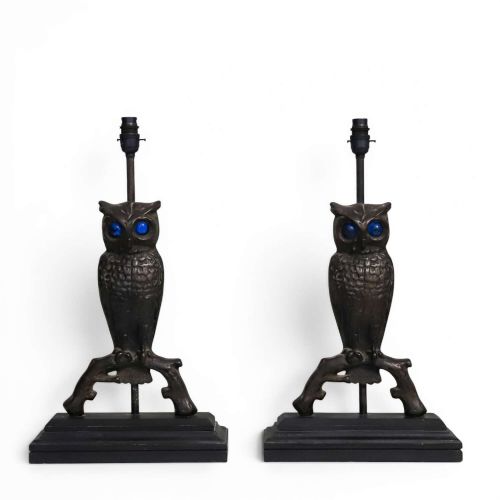
These decorative metal table lamps bring character to a room, ranging from cast iron owls to patinated brass pairs.
Decorative Metal Table Lamps
When you search for decorative metal table lamps, you encounter a varied selection spanning the nineteenth century through the art deco era. These items encompass figural pieces, converted vessels, and classical urns designed to illuminate interiors.
The assortment here frequently includes matching pairs rendered in brass, bronze, and patinated metal. Many examples incorporate diverse stylistic influences, moving from Romanesque revival motifs to French empire designs and modernist Amsterdam school forms.
Materials and construction methods
Makers utilised cast and patinated metals alongside gilt bronze, brass, and silver plating to form the primary structures of these objects. Several pieces incorporate integrated marble elements or contrasting glass and fabric components to complete the composition.
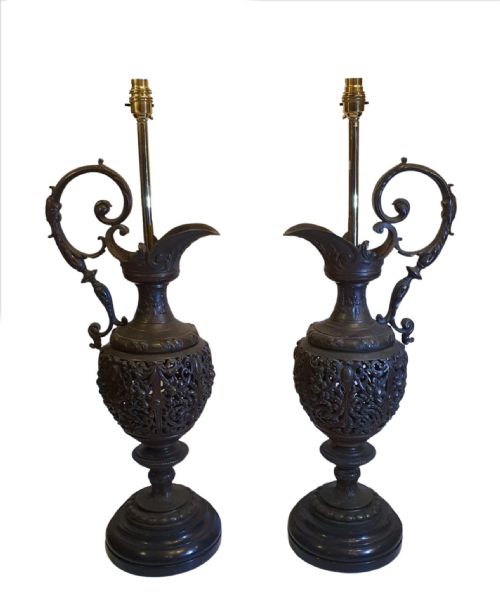
Many extant examples began life as functional items before undergoing conversion into lighting. Artisans adapted ewers, tea canisters, and even iron andirons into table lamps during subsequent periods.
Listings feature works created across several centuries, including Victorian, regency, and art deco periods.
Judging quality and execution
Quality reveals itself in the crispness of the casting and the depth of the original patination on the metal surface. Finer examples display meticulous attention to detail in figural modelling and structural balance.
The integrity of the conversion work significantly influences the character of repurposed objects. Superior specimens retain their original proportions and historical context whilst accommodating modern electrical fittings.
P.Sega
The Decorative Metal Table Lamps Glossary
- Ewer
- A large jug with a wide spout, frequently converted into a lamp base in nineteenth century practice. These vessels often feature classical handles and decorative bodily reliefs.
- Spelter
- A zinc alloy commonly utilised as a substitute for bronze in decorative figures and lamp bases. It takes gilding and patination well, offering a lighter alternative to heavier metals.
- Toleware
- Painted or lacquered metalware originating in France, known for vibrant colour application. Pairs of these items provide distinctive decorative presence.
- Andiron
- A horizontal metal support used in hearths to hold logs, occasionally repurposed to form the structural base of figural lamps. These objects carry industrial and domestic history.
Decorative Metal Table Lamps: Frequently Asked Questions
What are decorative metal table lamps?
These pieces are functional lighting fixtures created from various metallic bases, including cast iron, brass, and bronze. They encompass both purpose-built decorative items and historical vessels adapted for modern use.
Many examples reflect distinct historical revival styles or period movements such as art deco and the nineteenth century classical idiom.
How were these lamps used?
Originally deployed to illuminate dark corners of reception rooms and parlours, they served as both light sources and ornamental centerpieces. Their substantial metallic construction made them stable additions to side tables and desks.
Converted items like tea canisters and ewers transitioned from utilitarian domestic roles into purely decorative lighting applications over time.
How do I live with them?
Integrating these lamps into an interior involves placing them on sturdy sideboards, console tables, or desks where their metallic finishes catch ambient light. Pairing them thoughtfully with complementary furnishings enhances their sculptural qualities.
Ensure the scale of the lamp matches the surrounding furniture, particularly when dealing with large figural or multi-branch examples.
How do I tell periods apart?
Differentiating periods relies on recognising stylistic markers, such as the geometric lines of art deco or the ornate motifs typical of nineteenth century Victorian and Regency pieces. Material choices, such as gilt bronze versus cast iron, also signal specific manufacturing eras.
Consulting the manufacturing techniques and any associated signatures helps establish the chronological origins of individual pieces.