


Carved Brass Bedside Lamps
These carved brass bedside lamps bring tactile metalwork and period character to a bedroom table, offering focused light through crafted design.
Carved Brass Bedside Lamps
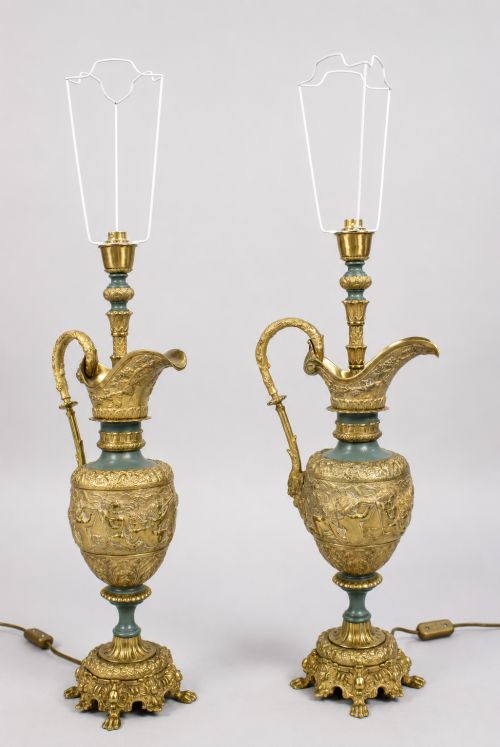
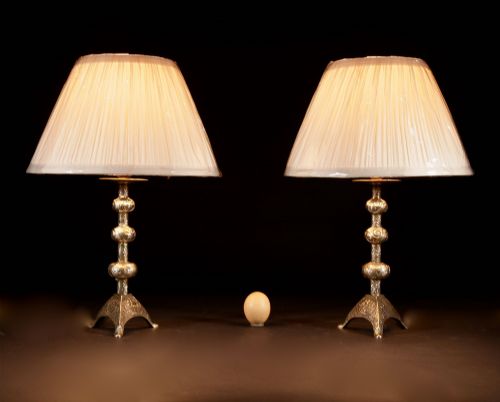
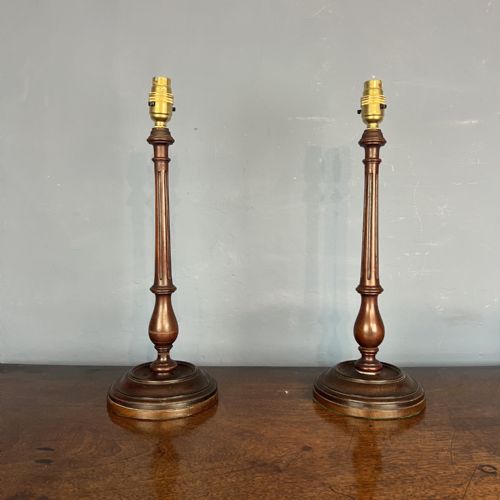
When you search for carved brass bedside lamps, you encounter table lamps fashioned from brass, gilt metal, and bronze across several periods. The selection on this page leans heavily toward table lamps from the nineteenth and early twentieth centuries, spanning Edwardian examples and Victorian neoclassical designs.
The objects take diverse forms, from ewer shapes and figural pieces like eagle and serpent motifs to architectural and classical revivals. Buyers find both single lights and matched pairs, with materials extending to mahogany, oak, marble, white onyx, and alabaster alongside the primary metalwork.
How they were made
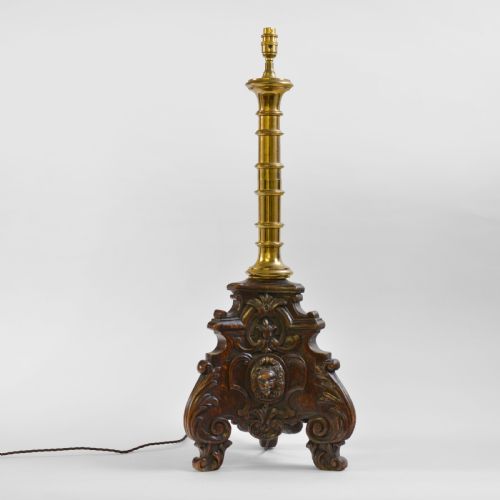
The construction of these lamps relies on cast and chased metalwork, utilising brass, gilt metal, and bronze shaped into complex forms such as ewers and figural mounts. Artisans combined metal casting with secondary materials, mounting brass and gilt components onto bases of white onyx, marble, mahogany, and oak.
Surface decoration involves hand-carving and chasing on the metal elements, alongside turned woodwork and sculpted stone. Many pieces incorporate fabric shades or structural details derived from stylistic revivals including Romanesque, Flemish Baroque, and French neoclassicism.
Materials extend beyond metal to include alabaster, marble, and porcelain alongside traditional mahogany and oak.
What varies in quality
The distinction between ordinary and superior pieces rests on the crispness of the casting and the depth of the hand-chased detail on the brass or bronze surfaces. Finer examples display meticulous attention to anatomical or architectural proportions, whereas simpler items rely on basic cast silhouettes.
Material integration also dictates quality, particularly in mixed-media pieces where metal meets stone or wood. Heavier gauge brass, substantial marble or onyx plinths, and well-executed joinery separate standard production items from masterworks of the period.
The Carved Brass Bedside Lamps Glossary
- Casting
- The process of pouring molten metal into a mould to form a base shape. This technique allows for intricate figural and decorative elements on lamp bases.
- Chasing
- Hand-finishing metal with hammers and punches to refine surface details after casting. This tool work sharpens lines and adds texture to brass and bronze.
- Ewer
- A large jug with a wide spout traditionally used for water, adapted in these listings as a sculptural lamp body. The classical vessel shape lends itself to tall table illumination.
- Onyx
- A banded variety of chalcedony used for solid stone lamp bases. Its translucent qualities provide a heavy, polished plinth beneath metal mounts.
- Cassolette
- A decorative vase or vessel with a removable lid, often adapted into a lamp base. In French decorative arts, these pieces doubled as incense burners.
Carved Brass Bedside Lamps: Frequently Asked Questions
How do I choose the right size?
Consider the scale of your bedside table and the height of your headboard before selecting a lamp. Taller pieces require proportionate clearance to ensure balanced illumination and visual harmony in the bedroom.
Measure the surface area available to ensure the base sits comfortably without crowding books or other bedside items. Tighter spaces benefit from slender profiles, while larger tables support substantial figural or architectural bases.
Are these lamps wired for modern use?
Many antique lamps arrive with historical or updated wiring that requires professional inspection before regular use. Local electrical standards often dictate whether a complete rewire is necessary for safe operation.
Consult a qualified electrician to check the internal components and ensure compatibility with current safety regulations. Preserving original fittings while upgrading internal wiring maintains the integrity of the piece.
How do I clean brass and bronze?
Dust metal surfaces regularly with a soft, dry cloth to prevent the buildup of grime in recessed chased details. Avoid harsh chemical cleaners that strip historical patina and damage the underlying alloy.
For stone elements like marble or onyx, use a damp cloth followed by immediate drying to protect the polished finish. Gentle maintenance preserves the natural ageing process valued in antique lighting.
Can I mix different decorative styles?
Combining pieces from varied revivals creates a layered interior that reflects personal taste rather than a strict period room. A neoclassical lamp can sit comfortably on an oak or mahogany surface from another decade.
Pay attention to scale and metal tones to maintain visual cohesion when pairing contrasting styles. Consistent height or shared material accents help unify disparate decorative traditions.