
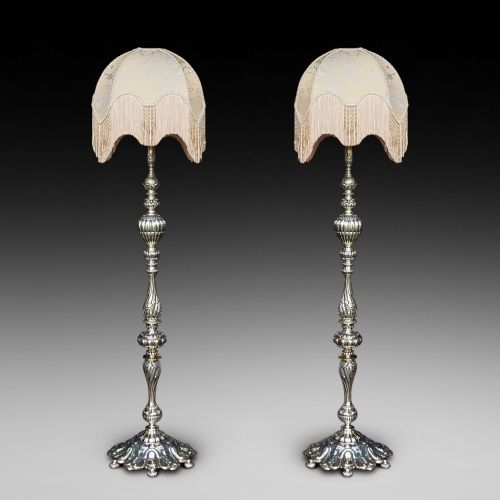
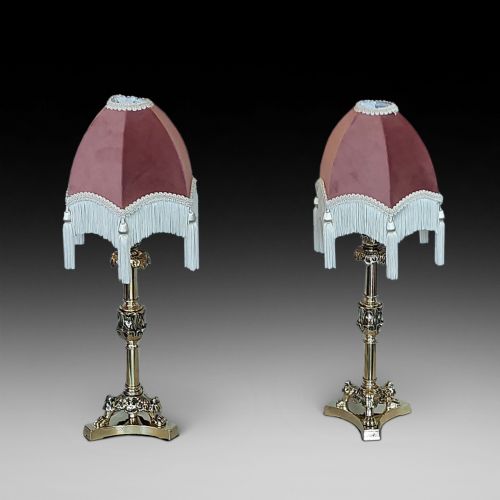


Pair Ornate Brass Lamps
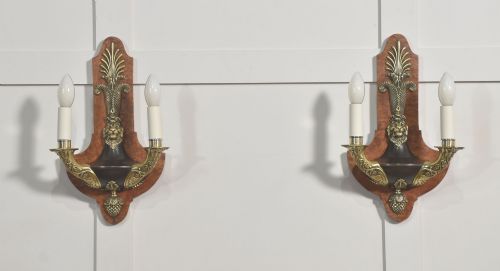
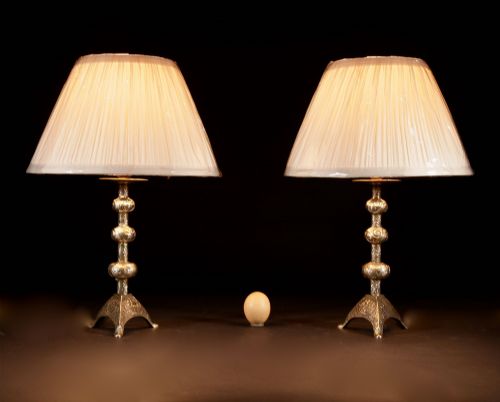
These pair ornate brass lamps bring heavy cast metal and gilded finish to corners that need a rich, glowing light.
Pair Ornate Brass Lamps
When you search for pair ornate brass lamps, you encounter matching sets designed to illuminate rooms with substantial metalwork and decorative detail. The selection relies heavily on nineteenth-century designs, Victorian interpretations, and early twentieth-century French lighting.
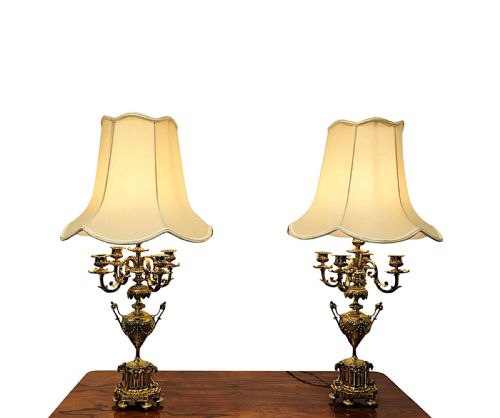
Table lamps, wall lights, and converted candlesticks form the core of what you meet here. Many pieces originate from earlier utilitarian or decorative items, such as candelabra and oil lamps, adapted later for electricity.
What varies in quality
The crispness of the casting marks the difference between standard production and finer work, where chased details remain sharp and deep. Heavier gauge metal and substantial marble or bronze integration elevate the piece.
The integrity of the gilding and the quality of the original conversion work also divide simpler items from more ambitious decorative objects.
Listings span periods from the early nineteenth century through to the nineteen-thirties, incorporating brass, gilt metal, marble, and fabric.
The Pair Ornate Brass Lamps Glossary
- Repoussé
- Metalwork hammered into relief from the reverse side. This technique adds tactile depth and texture to the brass surface.
- Candelabra
- Branched lighting fixtures designed to hold multiple candles. Many examples here were later converted to hold electric fittings.
- Spelter
- A zinc alloy used as a substitute for bronze. It often received a gilt or bronze finish to mimic heavier metals.
- Ewer
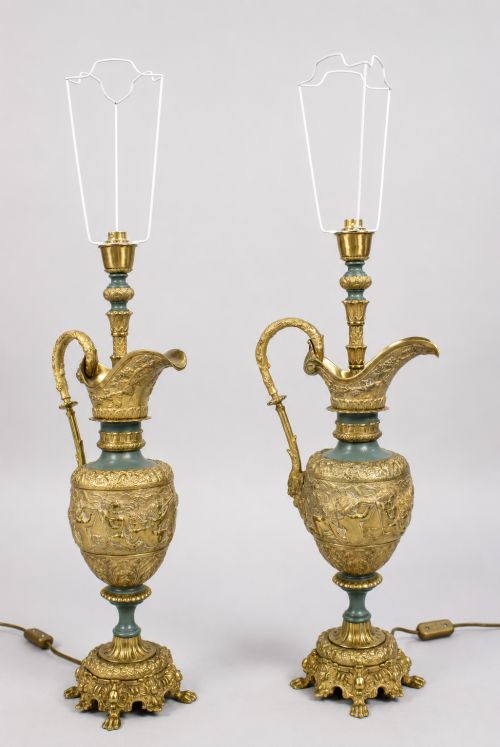
- A large jug with a wide spout traditionally used for water. Several nineteenth-century table lamps take this sculptural form.
- Cairoware
- Brass metalwork inlaid with silver and copper. Pieces in this style introduce intricate Islamic geometric patterns to the selection.
Pair Ornate Brass Lamps: Frequently Asked Questions
Are these lamps all converted from older items?
Many examples begin life as candlesticks, oil lamps, or candelabra before receiving electrical wiring. This conversion process adapts nineteenth and early twentieth-century decorative pieces for modern domestic use.
Makers frequently retained the original metal bodies while updating the internal wiring and adding appropriate lamp holders.
How do I identify French styles?
French lighting often displays rococo, empire, or neoclassical influence through scrolling foliage, urn shapes, and gilt finishes. These pieces regularly incorporate marble bases and crystal drops.
The decorative vocabulary leans heavily toward chateau aesthetics and ornate casting.
What is the difference between brass and bronze?
Brass is an alloy of copper and zinc, while bronze typically combines copper with tin. In antique lighting, both metals frequently received gilt or lacquered surface treatments.
Weight and surface tone help distinguish the two materials in finished pieces.
Can these heavy lamps sit on standard tables?
Substantial table lamps and standard floor versions require stable surfaces due to their weight. Marble bases and heavy cast metal construction add significant heft to the pieces.
Placement should account for the physical load of the metal and any attached fabric shades.