


Decorative Metal Hearth Accessories
These decorative metal hearth accessories are fireside pieces in brass, iron and bronze that bring character and period craftsmanship to a fireplace.
Decorative Metal Hearth Accessories
When you search for decorative metal hearth accessories, you encounter functional fireside items designed to organise and enhance the fireplace. These pieces include fire screens, fenders, andirons, fire dogs, trivets, and chestnut roasters from the nineteenth and early twentieth centuries.
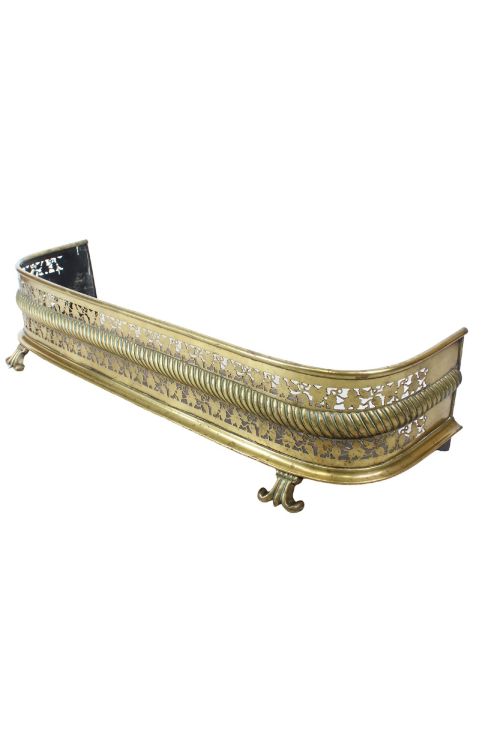
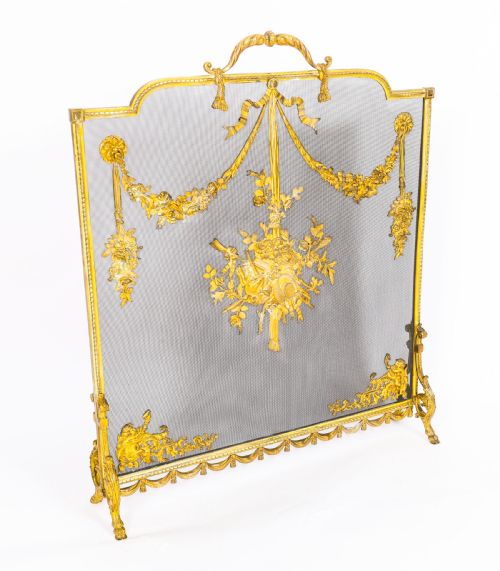
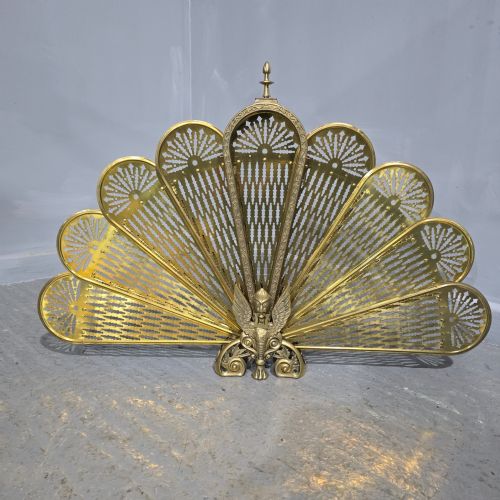
Victorian brass and wrought iron examples dominate the selection, often taking the form of pierced fenders, peacock screens, and sturdy fire dogs. French influences also appear regularly through gilt bronze, ormolu mounting, and rococo or Louis styles.
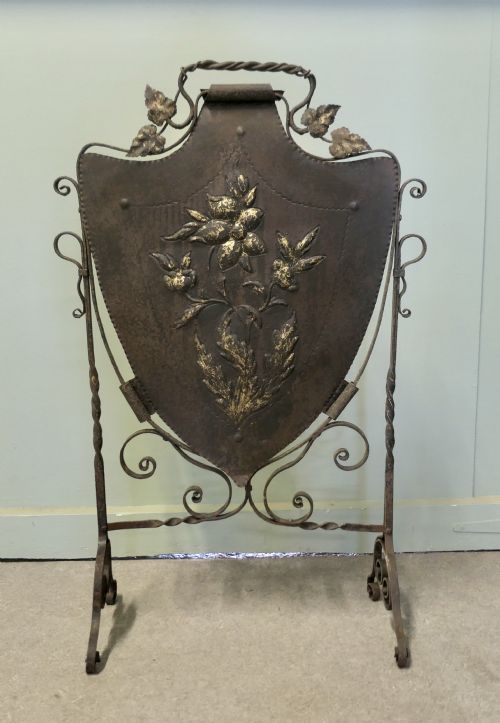
The objects range from utilitarian fire irons and buckets to ornate figural chenets and Gothic shield fire screens. Each item reflects the domestic routines and interior tastes of the Victorian and Edwardian periods.
Materials and construction
Makers utilised cast and wrought metals, shaping brass, iron, steel, bronze, and copper into robust hearth furniture. Brass appears frequently in pierced fenders, trivets, and folding peacock screens, often polished to a bright finish.
Iron and steel provide the heavy structural strength needed for andirons, fire dogs, and companion sets. Bronze and gilt bronze are cast and chased for ornamental fire screens and chenets, displaying elaborate floral and musical trophy details.
Chestnut roasters brought a touch of fireside hospitality to the Victorian parlour, ready to turn winter nuts over glowing coals.
Assessing quality and character
Quality in these pieces rests upon the crispness of the casting, the weight of the metal, and the refinement of surface detail. Hand-pierced brass work and finely chased gilt bronze display a higher level of artisan skill than mass-produced alternatives.
The integrity of construction matters greatly, particularly in articulated items like folding screens and joined andirons. Well-preserved patination and original mountings also distinguish superior examples from heavily restored or later replacement pieces.
The Decorative Metal Hearth Accessories Glossary
- Andirons
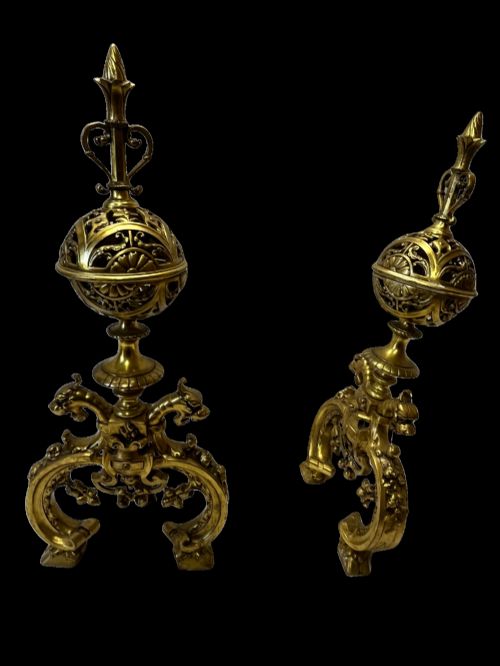
- Supports for burning logs in an open fireplace, usually formed as a pair of decorated metal bars with vertical fronts. They are also known as fire dogs or chenets.
- Fender
- A low metal guard placed on the hearth in front of the fireplace to contain sparks and rolling embers. Pierced brass and iron variants are common.
- Chenet
- The French term for andirons, frequently applied to decorative ornamental firedogs featuring cast bronze, ormolu, and figural motifs.
- Trivet
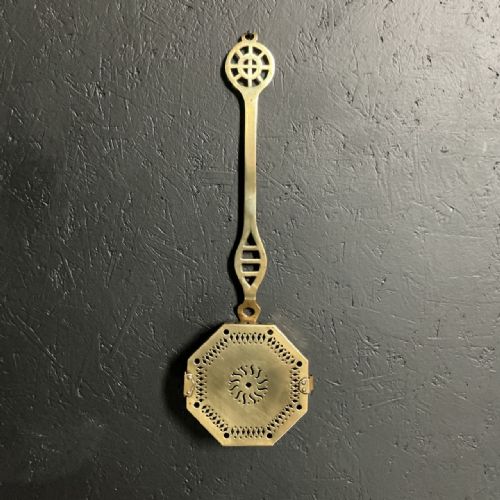
- A small metal stand with legs, used in front of the fire to keep kettles or warming dishes hot. Edwardian and Victorian examples often feature pierced brass tops.
- Fire screen
- A movable panel placed before a fireplace to block excessive heat when the fire dies down. Common forms include folding peacock screens and framed wire mesh or embroidered panels.
Decorative Metal Hearth Accessories: Frequently Asked Questions
What are decorative metal hearth accessories?
These items comprise the functional and decorative metalware used around a fireplace, including fenders, screens, andirons, and fire irons.
Originating mostly from the nineteenth and early twentieth centuries, they combine utility with the prevailing design styles of their era.
How were fire dogs used?
Fire dogs, or andirons, support logs inside an open hearth to allow air to circulate underneath for a better burn. The decorative front portions remain visible outside the fireplace opening.
Pairs of these metal supports often coordinate with matching fenders and fire irons to create a unified fireside arrangement.
How do I clean brass hearth items?
Polishing brass depends on the desired level of shine and the presence of historic patination. Gentle cleaning with a soft cloth removes surface dust without stripping the character built up over decades.
Avoid harsh chemical abrasives that can damage fine nineteenth-century engravings or pierced detailing.
How do I date a brass fender?
Dating relies on manufacturing techniques, weight, and stylistic clues such as Victorian Gothic revival motifs or Edwardian simplicity. Piercing methods and the thickness of the brass sheet also provide clear indicators of age.
Comparing construction details with dated examples helps narrow down the period of manufacture.